

 English
 русский
 Español
Content
Introduction
The choice of condensing units plays a crucial role in the overall performance of HVAC systems. These units are responsible for converting refrigerant gas into a liquid state, a critical step in cooling systems. Among the various types of condensing units available, box-type condensing units have become increasingly popular. But how do they compare to other types in terms of performance, efficiency, and reliability?
What Are Box-type Condensing Units?
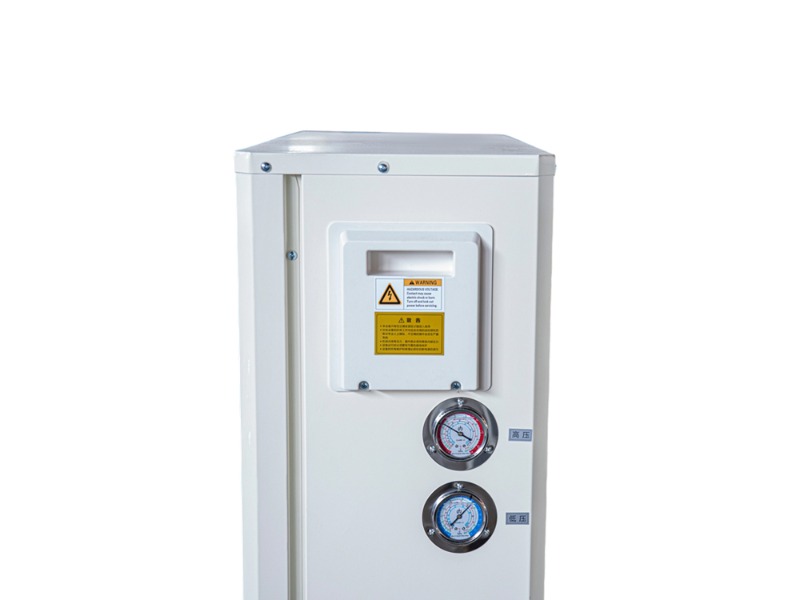
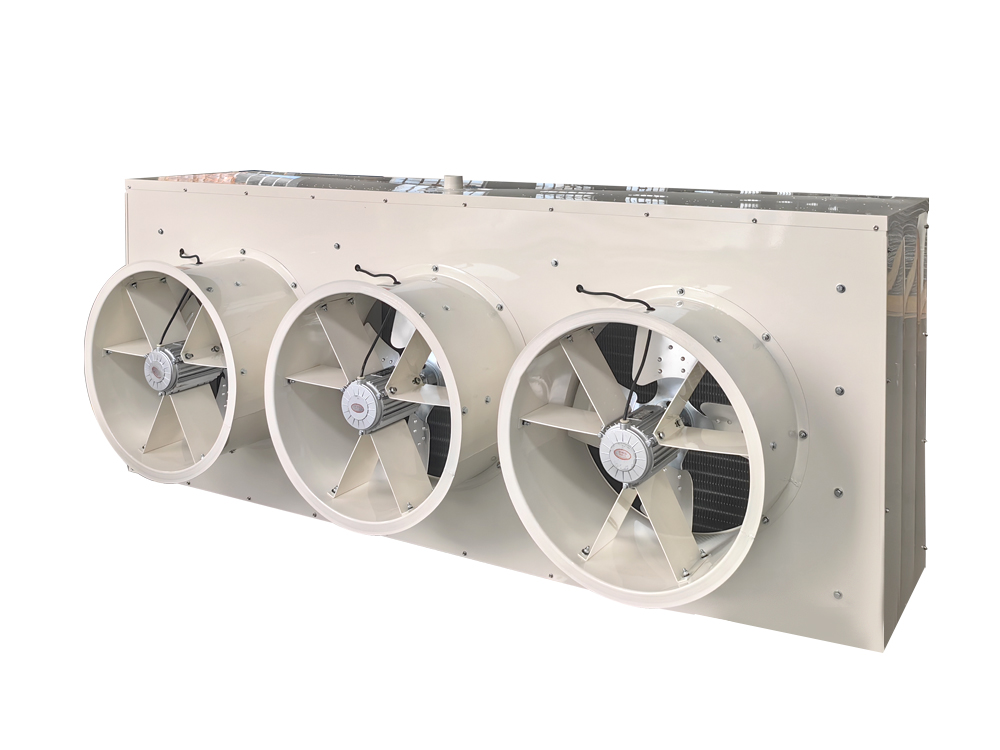
Box-type condensing units, often called modular or compact systems, are characterized by their compact, enclosed design. These units typically house the compressor, condenser, and fan within a single, weather-resistant enclosure. They are ideal for applications where space is limited, and ease of installation and maintenance is a priority.
Key Features of Box-type Condensing Units:
- Compact design for space efficiency.
- Integrated components for easy installation.
- High level of protection against environmental factors.
Comparison with Other Condensing Units
All-in-One Condensing Units
All-in-one condensing units, often referred to as packaged systems, are similar to box-type units in that they consolidate several components into a single unit. However, they typically integrate additional features such as heat exchangers or air handlers. Here, we compare box-type condensing units with all-in-one systems:
| Feature | Box-type Condensing Unit | All-in-One Condensing Unit |
|---|---|---|
| Space Efficiency | Highly compact, designed for tight spaces | Larger footprint due to added features |
| Installation Complexity | Easy to install with minimal components | Installation can be more complex due to integrated components |
| Performance | Excellent at cooling in confined spaces | Offers additional functionalities, such as integrated air handling |
| Energy Efficiency | Generally high, but depends on size and load | Can be more energy-efficient, especially with variable speed components |
Split Condensing Units
Split systems, in contrast to box-type units, separate the condensing unit from the evaporator. This configuration allows flexibility in installation, but it can complicate the maintenance process and requires additional space for the indoor components.
| Feature | Box-type Condensing Unit | Split Condensing Unit |
|---|---|---|
| Installation Flexibility | Limited flexibility, needs a fixed location | Flexible, can install in various places |
| Efficiency | High efficiency in smaller applications | High efficiency but can be less space-efficient |
| Maintenance | Easier maintenance with integrated design | Requires more time and effort for service due to separate components |
Performance Considerations
Energy Efficiency
Energy efficiency is one of the most significant factors when comparing different types of condensing units. Box-type condensing units generally provide excellent energy efficiency due to their compact design and minimal heat loss. With fewer external components, they are optimized for lower power consumption, especially in smaller applications.
Cooling Capacity
Cooling capacity varies significantly between different types of condensing units. Box-type units are ideal for applications where the space is smaller and cooling requirements are moderate. They perform exceptionally well in residential or light commercial setups. However, for larger systems with higher cooling demands, alternatives like split systems or all-in-one units may be better suited.
Reliability and Durability
The durability of a condensing unit is affected by its design and the materials used. Box-type condensing units are generally durable due to their enclosed structure, which protects the components from external elements like dust, moisture, and debris. These units are built to withstand harsh environments, making them reliable for long-term use.
Benefits of Box-type Condensing Units
- Space Efficiency: Due to their compact design, these units are ideal for installations in environments where space is a premium, such as in apartments, retail stores, or industrial facilities with limited room for large equipment.
- Ease of Installation: The integrated nature of the box-type unit means fewer components to install, simplifying the process and reducing labor costs.
- Cost-Effective: Box-type condensing units are generally more affordable than larger systems due to their smaller size and simpler installation.
- Reduced Maintenance: With fewer parts exposed to external factors, maintenance is typically easier and less frequent.
Challenges of Box-type Condensing Units
- Limited Cooling Capacity: While these units perform well for moderate cooling needs, they may not be suitable for large-scale industrial applications that require extensive cooling.
- Noise Levels: In some models, the compact design may lead to slightly higher noise levels due to the confined space housing all the components.
- Less Flexibility: Unlike split systems, box-type units have a fixed installation point and cannot offer the same flexibility in placement.
How to Choose the Right Condensing Unit
Choosing the right condensing unit depends on several factors, including the size of the space, cooling requirements, budget, and long-term maintenance needs. A box-type condensing unit is ideal for smaller systems and spaces that require compact, energy-efficient, and cost-effective solutions. However, for larger systems, all-in-one or split condensing units may be more appropriate due to their greater capacity and added features.
Conclusion
In conclusion, box-type condensing units offer significant advantages in terms of space efficiency, ease of installation, and energy performance for smaller applications. While they may not provide the same cooling capacity as larger systems, they are ideal for residential or light commercial use. By comparing them with other systems like all-in-one and split condensing units, it is clear that box-type condensing units are an excellent choice for those looking for a compact, reliable, and cost-effective solution.
FAQ
1. What is a box-type condensing unit?
A box-type condensing unit is a compact HVAC system that integrates the compressor, condenser, and fan into a single enclosure. It is ideal for installations in tight spaces where energy efficiency and simplicity are key.
2. How does a box-type condensing unit differ from an all-in-one system?
While both types are compact and integrate several components, all-in-one systems often include additional features like air handling capabilities, making them larger but more versatile than box-type units.
3. Are box-type condensing units energy efficient?
Yes, box-type condensing units are generally energy-efficient due to their compact design, which minimizes heat loss and reduces power consumption in smaller applications.
4. Can a box-type condensing unit be used for larger applications?
Box-type condensing units are best suited for small to medium cooling needs. For larger applications requiring higher cooling capacities, other systems like split or all-in-one units may be more appropriate.
5. What are the advantages of choosing a box-type condensing unit?
Box-type condensing units offer space-saving designs, ease of installation, lower upfront costs, and simplified maintenance, making them an excellent choice for smaller residential or commercial spaces.


 Contact Number:+86-18858565929
