

 English
 русский
 Español
Content
Introduction to Cold Room Evaporators and Their Importance
Cold rooms play a vital role in industries that require precise temperature control, such as food storage, pharmaceuticals, and research labs. One of the key components in maintaining these temperature environments is the cold room evaporator.
What Are Cold Room Evaporators?
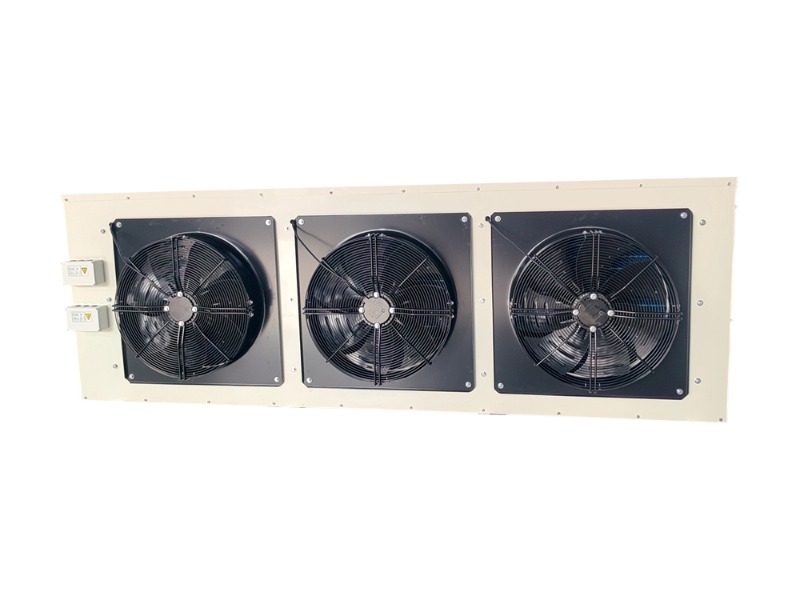
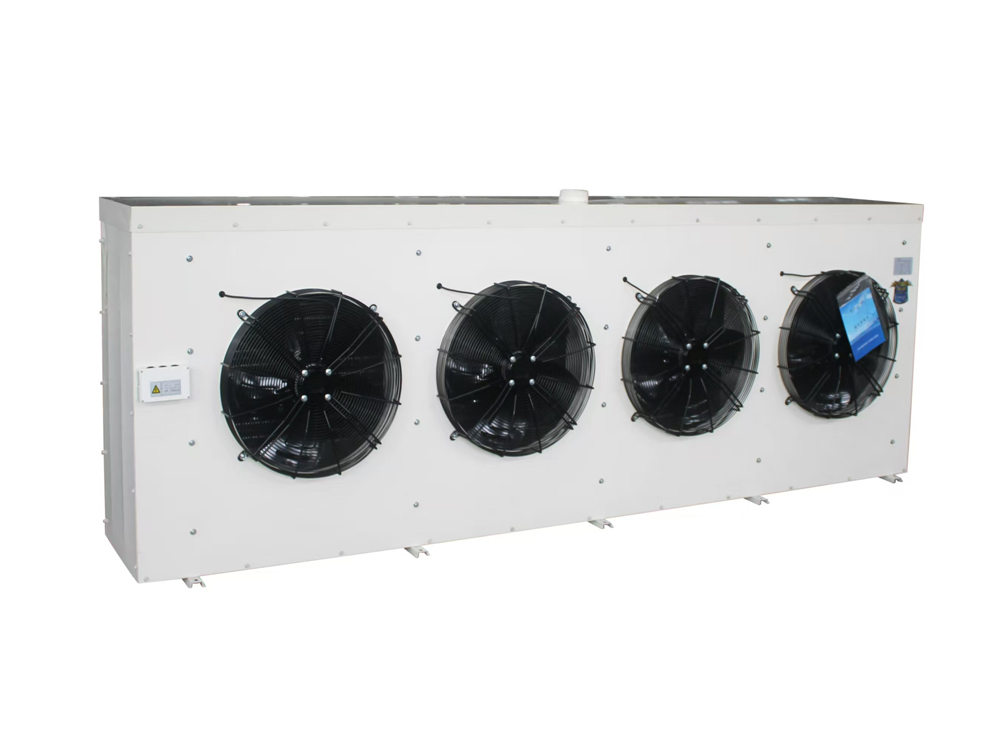
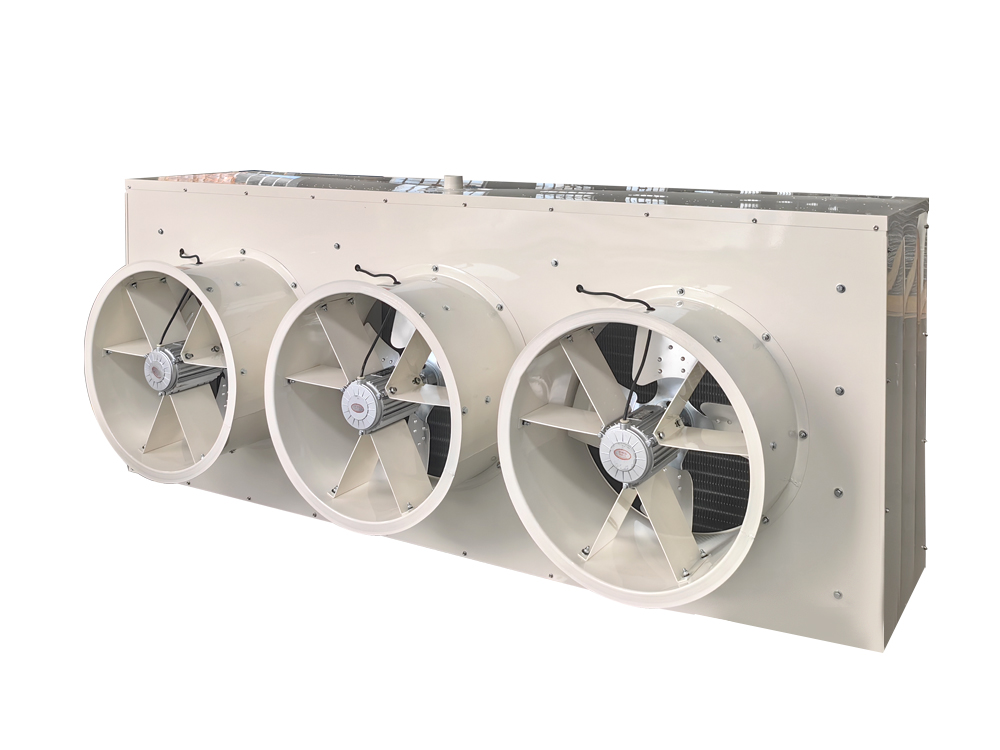
Cold room evaporators are essential components in refrigeration systems. They help in maintaining a consistent and regulated internal temperature within cold storage rooms by removing heat from the environment. These evaporators are equipped with coils through which refrigerants flow, absorbing heat and keeping the room temperature at the desired level.
Traditionally, cold room evaporators use fans that run at a constant speed. However, the introduction of variable speed fans has revolutionized their functionality, offering numerous benefits in terms of energy efficiency, precise temperature control, and lower operational costs.
Key Benefits of Using Cold Room Evaporators with Variable Speed Fans
Energy Efficiency
One of the most significant benefits of cold room evaporators with variable speed fans is improved energy efficiency. Traditional fans run at a fixed speed, regardless of the cooling load. However, variable speed fans adjust their speed based on the real-time cooling demand. This means that the fans only use as much energy as required to maintain the desired temperature, reducing unnecessary energy consumption.
Variable speed fans can reduce energy usage by up to 30%, depending on the load and operating conditions. This is especially important in large-scale operations where refrigeration systems are running 24/7. Over time, these savings can result in a substantial reduction in energy bills.
Better Temperature Control
Variable speed fans provide more precise control over the temperature in the cold room. Unlike fixed-speed fans, which may cause temperature fluctuations due to their constant operation, variable speed fans adjust their output in response to changes in the cooling demand. This leads to a more stable and uniform temperature within the cold room.
For industries like food storage or pharmaceuticals, where maintaining a precise temperature is critical, this feature is particularly beneficial. With better temperature control, the quality and shelf-life of stored products can be enhanced, reducing waste and improving product integrity.
Reduced Wear and Tear on Equipment
Running a fixed-speed fan at full power continuously can lead to wear and tear on the fan motor and other components. Variable speed fans, on the other hand, reduce the strain on these parts by adjusting their speed according to the need. This results in less mechanical stress, reducing the likelihood of breakdowns and extending the lifespan of the entire system.
Moreover, the lower strain on the system reduces the need for frequent maintenance, helping to keep operational costs in check.
Lower Operating Costs
Since variable speed fans consume less energy and experience less wear and tear, they contribute to a significant reduction in overall operating costs. These savings are not limited to energy consumption but also extend to maintenance and repair costs, which are reduced due to the less frequent need for servicing.
Additionally, because the system is more energy-efficient, the environmental impact of running a cold room is minimized, helping businesses meet sustainability goals and reduce their carbon footprint.
Flexibility in Operation
Variable speed fans allow for more flexible operation in varying conditions. They can automatically adjust their speed based on factors like room temperature, humidity levels, and the number of items being stored. This dynamic response ensures optimal efficiency, as the fans are not constantly running at full capacity when the cooling demand is low.
This adaptability is especially beneficial in environments where the cooling load can fluctuate, such as in supermarkets, warehouses, or food distribution centers. The fans can scale their performance to match the specific requirements at any given time.
How Cold Room Evaporators with Variable Speed Fans Improve System Reliability
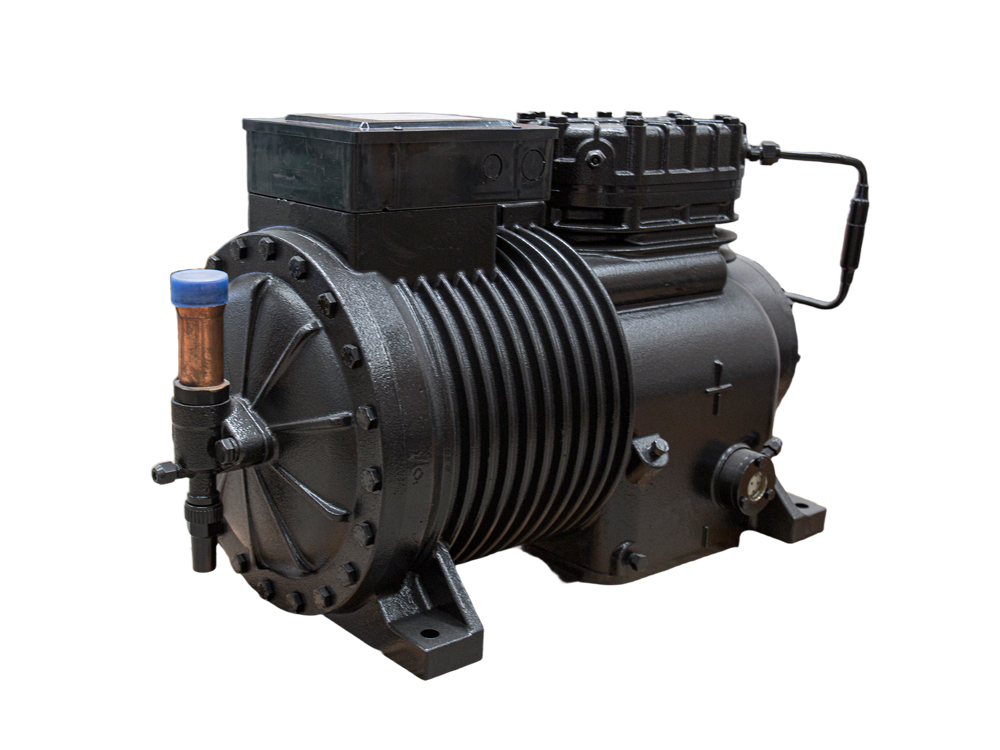
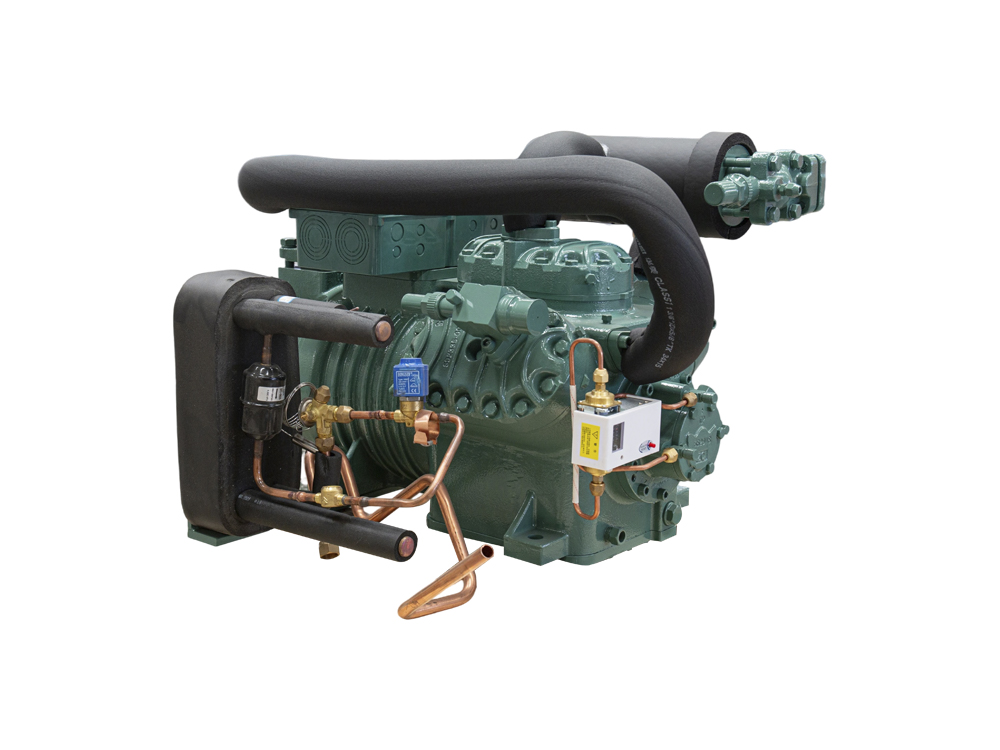
The integration of variable speed fans also improves the reliability of the entire refrigeration system. By reducing the load on the compressor, variable speed fans prevent it from working at maximum capacity all the time. This not only extends the compressor’s life but also ensures that the refrigeration system runs efficiently, even under challenging operating conditions.
In cases of sudden changes in temperature, the variable speed fan can quickly adjust to meet the new demands, ensuring that the cold room stays within the optimal temperature range.
Comparing Cold Room Evaporators with Fixed-Speed Fans vs. Variable Speed Fans
| Feature | Fixed-Speed Fans | Variable Speed Fans |
|---|---|---|
| Energy Consumption | High, constant power usage | Lower, adjusted to cooling demand |
| Temperature Control | Less precise, potential fluctuations | Precise, stable temperature control |
| Fan Speed | Fixed at maximum speed | Adjustable based on needs |
| Wear and Tear | Higher, constant operation | Reduced, slower wear |
| Operational Costs | Higher due to inefficiency | Lower due to energy savings and less maintenance |
| System Flexibility | Less flexible | Highly adaptable to changing conditions |
Conclusion
Cold room evaporators with variable speed fans offer a range of benefits, including energy savings, better temperature control, reduced wear and tear on equipment, and lower operational costs. These advantages make them an excellent choice for businesses looking to improve the efficiency of their cold storage systems while minimizing costs and their environmental footprint. By investing in this technology, industries can ensure that their refrigeration systems operate smoothly and reliably, keeping their products safe and their operations cost-effective.
FAQ
1. What is a cold room evaporator with a variable speed fan?
A cold room evaporator with a variable speed fan is a refrigeration component designed to control temperature in cold storage environments. The fan adjusts its speed based on cooling demands, improving energy efficiency and temperature stability.
2. How does using a variable speed fan improve energy efficiency?
Variable speed fans adjust their speed according to the cooling load, reducing energy consumption when full power isn’t required, unlike fixed-speed fans that run at constant power, regardless of demand.
3. What industries benefit most from cold room evaporators with variable speed fans?
Industries such as food storage, pharmaceuticals, and research labs benefit greatly from the precise temperature control and energy efficiency provided by variable speed fans in cold room evaporators.
4. Can a cold room evaporator with a variable speed fan save on operational costs?
Yes, by reducing energy consumption and wear on components, these evaporators lower both energy and maintenance costs, leading to significant savings over time.
5. Are variable speed fans more reliable than fixed-speed fans?
Yes, variable speed fans reduce wear and tear by adjusting to changing conditions, extending the lifespan of the refrigeration system and reducing the need for frequent repairs.


 Contact Number:+86-18858565929
