

 English
 русский
 Español
Content
- 1 Introduction
- 2 The Function of Cold Room Evaporators
- 3 Importance of Humidity Control in Cold Storage
- 4 Types of Cold Room Evaporators for Humidity Control
- 5 Key Advantages of Cold Room Evaporators in Humidity Control
- 6 Factors Affecting Humidity Control in Cold Storage
- 7 Choosing the Right Cold Room Evaporator for Humidity Control
- 8 Conclusion
- 9 FAQ
Introduction
Humidity control is a critical factor in maintaining the quality and shelf life of perishable goods, such as food, pharmaceuticals, and certain chemicals. As industries increasingly depend on cold storage for these sensitive items, the role of cold room evaporators becomes essential. A cold room evaporator helps regulate temperature and humidity within cold storage facilities, ensuring that the environment remains conducive for the safe storage of various products.
The Function of Cold Room Evaporators
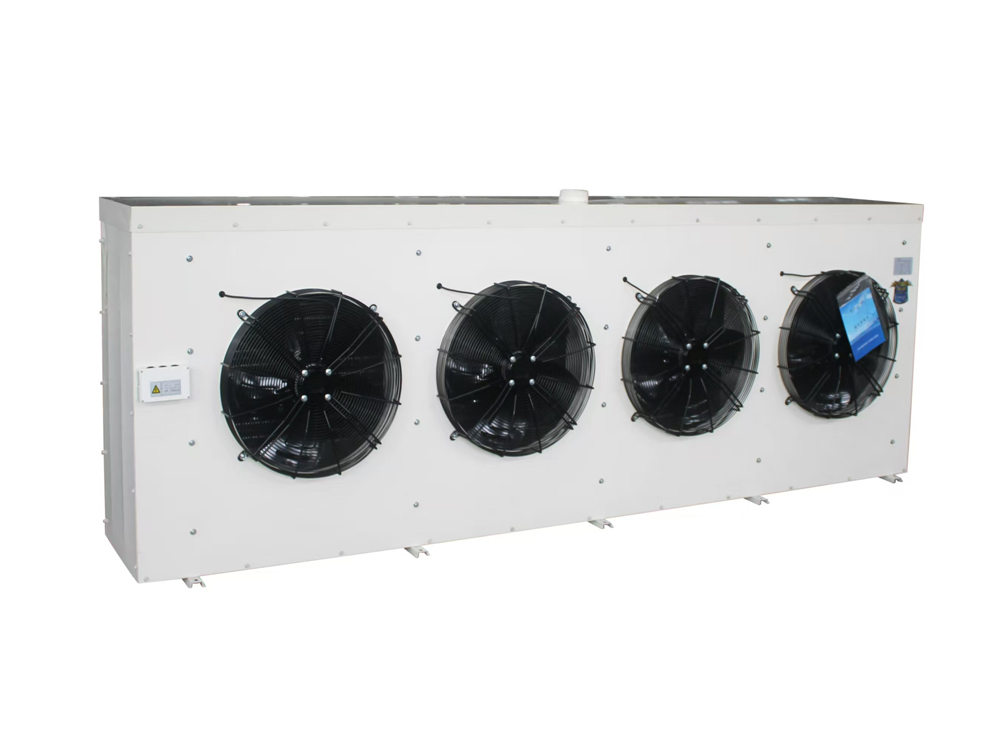
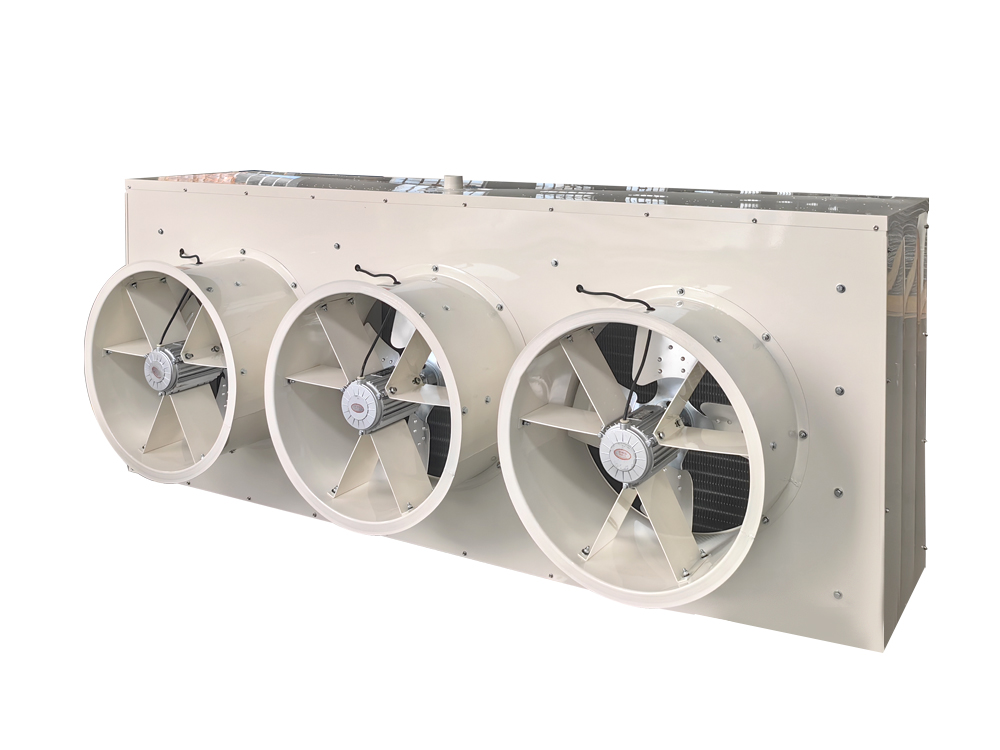
Cold room evaporators play an integral role in refrigeration systems by facilitating the heat exchange process necessary to regulate temperature and humidity. They are typically installed within cold storage rooms and function as the key component in drawing heat from the air, thus cooling the room to the desired temperature.
Evaporators work by using refrigerants to absorb the heat from the surrounding air. This process not only reduces temperature but also helps remove moisture, thereby controlling the humidity levels within the room. A well-maintained cold room evaporator ensures consistent environmental conditions, which is crucial for preventing spoilage and maintaining product integrity.
Key Functions of Cold Room Evaporators:
- Cooling: The primary function is to remove heat from the cold room, lowering the temperature to a specific level.
- Dehumidifying: The evaporator also removes moisture from the air, preventing excessive humidity that can lead to mold, bacteria growth, or product degradation.
- Air Circulation: The evaporator promotes airflow throughout the cold room, ensuring that temperature and humidity are evenly distributed.
Importance of Humidity Control in Cold Storage
Proper humidity control is essential in cold storage to prevent moisture accumulation that could damage products or lead to undesirable conditions. For instance, excessive moisture can result in condensation, leading to water buildup on surfaces or within packaging materials, causing mold and mildew growth, or deteriorating the quality of the stored goods.
Cold room evaporators are designed to control humidity levels by removing excess moisture, thereby maintaining a stable environment for stored items. This is especially critical for perishable goods like fresh fruits, vegetables, meats, and dairy products, which require a controlled atmosphere to retain their freshness and prevent spoilage.
Effects of Poor Humidity Control:
- Mold Growth: High humidity encourages mold formation, particularly on food products.
- Bacterial Contamination: Moist environments can lead to the growth of harmful bacteria, making products unsafe for consumption.
- Product Degradation: Excess moisture can cause packaging to weaken and products to degrade in quality, potentially leading to waste.
Types of Cold Room Evaporators for Humidity Control
There are several types of cold room evaporators, each designed to cater to different needs depending on the size and application of the cold storage facility. Below are some common types of cold room evaporators that help in achieving optimal humidity control:
| Type of Evaporator | Description | Use Cases |
|---|---|---|
| Air-Cooled Evaporators | These are the most common type, which rely on air circulation to remove heat and moisture. They are compact, cost-effective, and efficient for smaller to medium-sized cold rooms. | Small to medium cold rooms for general storage purposes. |
| Water-Cooled Evaporators | Water-cooled evaporators use water as a cooling medium. They offer enhanced performance in large cold storage facilities by maintaining consistent humidity and temperature levels. | Large-scale cold storage or specialized environments where precise humidity control is required. |
| Finned Evaporators | These evaporators feature coils with aluminum or copper fins, which improve heat transfer and moisture removal. | Ideal for food storage or warehouses requiring high-efficiency temperature and humidity control. |
| Direct Expansion Evaporators | These evaporators use a refrigerant that directly expands to absorb heat and moisture. This type is best for spaces with stringent temperature and humidity needs. | Cold rooms with precise temperature and humidity control requirements, such as pharmaceutical storage. |
Each of these evaporators is designed to ensure that the environment within the cold storage room is stable, and by removing excess moisture, they prevent humidity levels from reaching a point where they could damage products or create a breeding ground for bacteria.
Key Advantages of Cold Room Evaporators in Humidity Control
The integration of cold room evaporators into cold storage systems offers several benefits related to humidity control:
Prevention of Mold and Bacteria Growth:
By removing excess moisture from the air, cold storage evaporators reduce the chances of mold and bacteria development. This is particularly important for industries dealing with perishable products, where cleanliness and freshness are paramount.
Extended Shelf Life of Products:
Proper humidity control prevents the degradation of products due to moisture buildup, ensuring that stored goods maintain their quality for a longer period. This is particularly essential for industries such as food and pharmaceuticals.
Energy Efficiency:
Cold room evaporators help optimize energy use by maintaining consistent humidity levels. By reducing the need for additional dehumidifying equipment, businesses can lower their operational costs.
Improved Air Quality:
Consistent dehumidification ensures that air quality within the cold room is maintained. This is essential for preventing the build-up of airborne bacteria or contaminants that could compromise the integrity of stored goods.
Factors Affecting Humidity Control in Cold Storage
While cold room evaporators play a crucial role in maintaining optimal humidity, there are other factors that affect the overall humidity control within the storage environment. These include:
- Airflow Distribution: Poor airflow can result in uneven cooling, leading to localized areas of excess humidity. Effective evaporators work alongside fans and air ducts to ensure even distribution.
- Temperature Settings: Temperature and humidity are interlinked. Setting the correct temperature is essential to maintaining the desired humidity levels. If the temperature fluctuates, so will the humidity.
- Room Insulation: Well-insulated cold rooms prevent moisture infiltration from external sources, making it easier for evaporators to control the internal environment.
- Maintenance of Equipment: Regular maintenance of the evaporator and other refrigeration components ensures that the system continues to function effectively, preventing humidity-related issues.
Choosing the Right Cold Room Evaporator for Humidity Control
Selecting the right cold room evaporator is essential for achieving the best humidity control. When choosing an evaporator, consider the following factors:
- Size of the Cold Room: Larger rooms may require more powerful evaporators or multiple units for uniform cooling.
- Type of Goods Stored: Perishable goods require more precise humidity control, while non-perishable items may tolerate broader fluctuations.
- Energy Efficiency: Opt for energy-efficient models that reduce operational costs while maintaining optimal conditions.
- Installation and Maintenance Requirements: Ensure that the evaporator system chosen is easy to install and maintain, minimizing downtime and maximizing productivity.
Conclusion
Cold room evaporators are indispensable tools in achieving optimal humidity control within cold storage environments. They regulate temperature and moisture levels, preventing product degradation and maintaining the quality of perishable goods. By understanding their function, benefits, and the factors that affect humidity control, businesses can ensure the proper storage conditions needed to preserve their products for extended periods.
FAQ
1. What is the primary role of a cold room evaporator in cold storage?
Cold room evaporators remove heat and moisture from the air, ensuring optimal temperature and humidity conditions for stored goods.
2. How do cold room evaporators maintain humidity control?
They dehumidify the air by removing excess moisture, preventing condensation and humidity buildup that could damage products.
3. Can a cold room evaporator be used for both small and large cold storage rooms?
Yes, different types of evaporators are available for various room sizes, ensuring efficient humidity control regardless of storage capacity.
4. What are the common issues that can affect humidity control in cold storage?
Issues such as poor airflow distribution, improper temperature settings, and lack of regular maintenance can disrupt effective humidity control.
5. How often should a cold room evaporator be maintained?
Regular maintenance is essential to ensure the evaporator functions effectively, typically once or twice a year depending on usage and manufacturer recommendations.


 Contact Number:+86-18858565929
