

 English
 русский
 Español
Content
Cold room evaporators are integral components in maintaining optimal temperature control in refrigerated spaces. Their ability to ensure efficient cooling, uniform frost distribution, and ease of maintenance makes them invaluable in various applications such as commercial refrigeration, freezers, and cold storage facilities.
Understanding Cold Room Evaporators
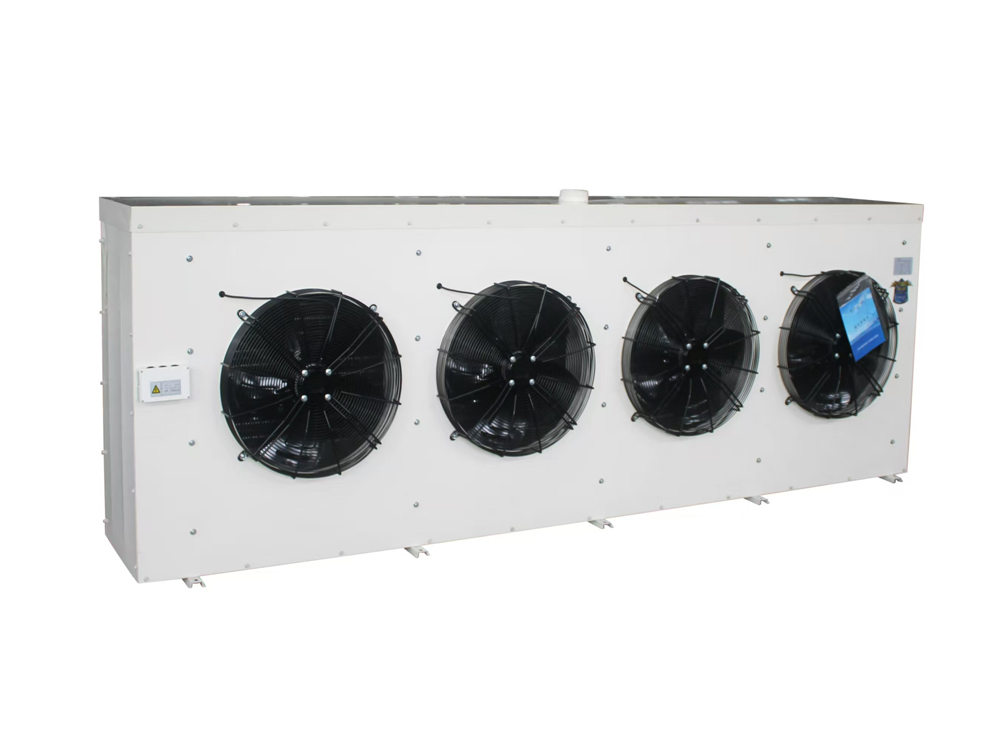
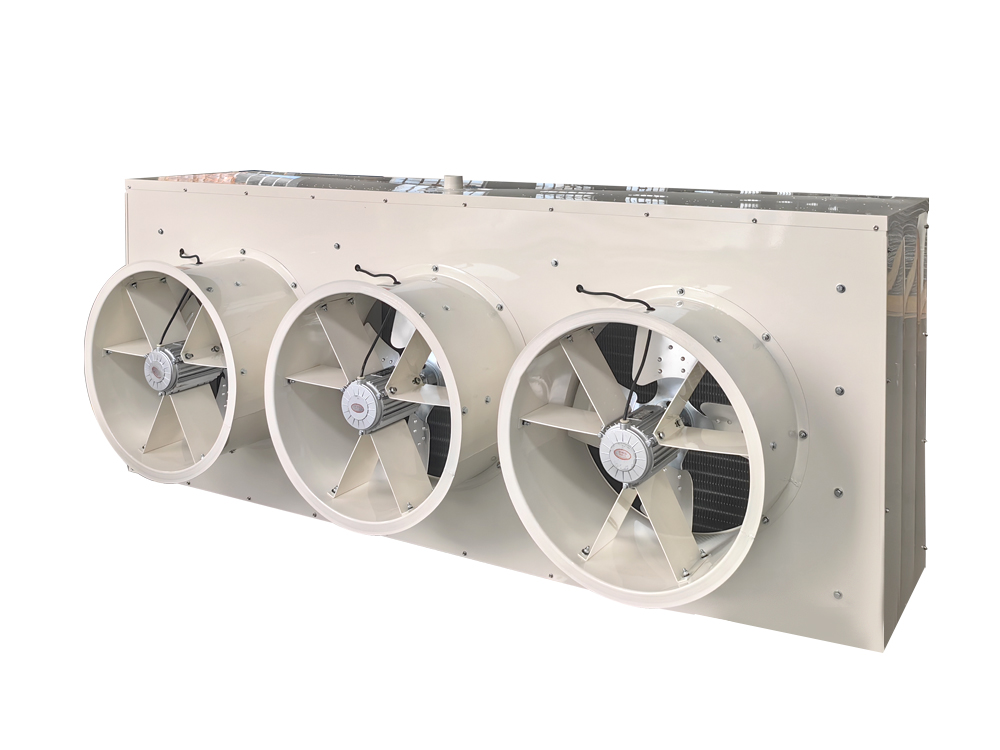
Cold room evaporators, also known as cold storage evaporators, are designed to regulate the temperature inside refrigerated spaces by removing heat from the air. They are typically used in cold storage units, freezers, and other temperature-sensitive environments. These evaporators facilitate the process of heat exchange, drawing in warm air and transferring it to a refrigerant, which in turn cools the air before it is circulated back into the room.
The cold room evaporator consists of several components, including the evaporator coil, fan, and expansion valve. The refrigerant circulates through the coil, where it absorbs heat from the surrounding air, causing the air to cool down. The fan then blows the cooled air back into the room, maintaining the desired temperature.
How Cold Room Evaporators Work
The primary function of cold room evaporators is to maintain a consistent temperature within refrigerated spaces. The refrigeration cycle begins when the compressor compresses the refrigerant gas, which is then sent to the evaporator coils. As the refrigerant enters the evaporator, it evaporates and absorbs heat from the surrounding air. The heat transfer occurs through the fins of the evaporator coil, which are designed to maximize the surface area in contact with the air.
This process causes the air temperature inside the cold room to drop. The cold air is then circulated by the fan, ensuring that the temperature remains constant throughout the space. The refrigerant, now in a gaseous state, returns to the compressor to start the cycle over again.
Key Features of High-Efficiency Air Coolers
Cold room evaporators are available in various models, each designed for different temperature ranges, such as high, medium, and low-temperature environments. The cooling capacity of these units can range from 1.1 to very high, making them suitable for a wide array of applications. Below are some of the key features that make cold room evaporators an efficient solution for temperature control:
Cooling Capacity
Evaporators with internally threaded copper tubes offer a cooling capacity that is 1.4 to 1.5 times greater than those with plain tubes of the same fin area. This enhanced efficiency allows for faster cooling and better temperature regulation.
Uniform Frosting
Optimized airflow and liquid distribution circuits, along with a new liquid distributor, ensure uniform frost formation across the finned coils. This uniform frosting prevents issues such as localized frost buildup, which could lead to inefficient cooling and temperature fluctuations.
Efficient Defrosting
Cold room evaporators are equipped with electric heaters that are designed for optimal defrosting. The spacing and power of the heaters ensure efficient frost removal, preventing ice build-up that could hinder performance.
Easy Installation and Maintenance
Many cold room evaporators feature removable drain pans and side panels, which make them easy to clean and maintain. The simplicity of installation and maintenance contributes to the long lifespan of the unit, reducing the need for frequent repairs or replacements.
Durability
The housing of cold room evaporators can be made from materials such as galvanized iron, plastic-sprayed aluminum, or stainless steel. Additionally, some models come with an epoxy resin coating for added protection against corrosion. High-strength aluminum rivets and stainless steel fasteners are used for added durability and reliability.
Types of Cold Room Evaporators
Cold room evaporators are typically categorized based on the temperature range of the environment in which they are used. The three main categories are:
- High-Temperature Evaporators: Designed for environments with temperatures around 0°C to 10°C. These are typically used in areas like fresh food storage and commercial refrigerators.
- Medium-Temperature Evaporators: Suitable for environments with temperatures between -10°C and -25°C. These are commonly found in freezers and cold storage units for perishable goods.
- Low-Temperature Evaporators: Used for extremely low-temperature environments, typically below -25°C. These are ideal for deep freezers and specialized storage areas.
Benefits of Using Cold Room Evaporators
Cold room evaporators offer several advantages in maintaining consistent temperature control in refrigerated spaces:
Energy Efficiency
By using high-efficiency components, cold room evaporators minimize energy consumption while maximizing cooling performance. This helps reduce operational costs and carbon emissions, making them an eco-friendly option for commercial refrigeration.
Precise Temperature Control
Cold room evaporators ensure precise temperature control by maintaining uniform cooling throughout the space. This consistency is essential for industries such as food storage, pharmaceuticals, and logistics, where temperature fluctuations can compromise the quality of products.
Improved Product Quality
In industries like food storage, the ability to maintain a consistent temperature is crucial for preserving the quality and shelf life of products. Cold room evaporators play a key role in preventing spoilage and extending the shelf life of perishable goods.
Reduced Frost Buildup
With optimized airflow and defrosting capabilities, cold room evaporators prevent excessive frost buildup, which can obstruct airflow and hinder cooling efficiency. This ensures smooth operation and minimizes the risk of equipment failure.
Low Maintenance Requirements
The ease of maintenance and self-cleaning features of modern cold room evaporators reduce the need for frequent repairs and downtime. This ensures that the system remains operational with minimal disruption.
Applications of Cold Room Evaporators
Cold room evaporators are widely used in a variety of industries that require temperature-controlled environments:
- Food Storage: Cold room evaporators are essential for maintaining the freshness and quality of perishable foods, such as meat, dairy, fruits, and vegetables.
- Pharmaceuticals: Temperature-sensitive medications and vaccines require precise temperature control, making cold room evaporators crucial in pharmaceutical storage.
- Logistics: Cold storage is vital for transporting temperature-sensitive goods, and evaporators ensure that the temperature remains stable throughout the journey.
- Supermarkets: Many supermarkets rely on cold room evaporators for their refrigeration systems, ensuring that frozen foods, meats, and dairy products stay at optimal temperatures.
Conclusion
Cold room evaporators are indispensable in maintaining temperature control in refrigerated spaces. Their high efficiency, uniform frosting, and defrosting capabilities make them ideal for a wide range of applications, including commercial refrigeration, food storage, pharmaceuticals, and logistics. By using advanced features such as optimized airflow, easy maintenance, and durable materials, cold room evaporators provide a reliable solution for businesses seeking to maintain precise temperature control and reduce operational costs.
FAQ
1. What is a cold room evaporator?
A cold room evaporator is a device used to regulate the temperature inside refrigerated spaces by removing heat from the air. It plays a critical role in cooling and maintaining a consistent temperature in cold storage units, freezers, and refrigeration systems.
2. How does a cold room evaporator work?
Cold room evaporators work by circulating refrigerant through a coil, where it absorbs heat from the surrounding air. The cooled air is then circulated back into the room by a fan, maintaining the desired temperature.
3. What are the main types of cold room evaporators?
Cold room evaporators are typically classified into three categories: high-temperature, medium-temperature, and low-temperature evaporators. These are designed to suit different temperature ranges for various applications, such as food storage and pharmaceuticals.
4. How do cold room evaporators benefit energy efficiency?
Cold room evaporators use high-efficiency components, such as internally threaded copper tubes, to enhance cooling performance while minimizing energy consumption. This reduces operational costs and environmental impact.
5. Can cold room evaporators be used in supermarkets?
Yes, cold room evaporators are widely used in supermarkets to maintain the temperature of frozen foods, meats, dairy products, and other perishable goods, ensuring their freshness and quality.


 Contact Number:+86-18858565929
