

 English
 русский
 Español
Content
- 1 Introduction
- 2 Understanding the Working Principle of Electric Defrosting Air Coolers
- 3 Common Operational Issues and Their Root Causes
- 4 Troubleshooting Guide for Electric Defrosting Air Coolers
- 5 Electrical and Control System Considerations
- 6 Mechanical Factors Affecting Defrost Efficiency
- 7 Environmental and Installation Influences
- 8 Preventive Maintenance Strategies
- 9 System Optimization and Best Practices
- 10 Conclusion
- 11 FAQ
Introduction
Electric defrosting air coolers play a critical role in modern refrigeration systems, particularly in cold storage rooms, food processing facilities, logistics warehouses, and other temperature-controlled environments. By integrating electric heating elements into the defrost cycle, these systems prevent excessive frost buildup on evaporator coils, helping maintain stable airflow, consistent cooling capacity, and energy efficiency.
Despite their widespread adoption, the electric defrosting air cooler is not immune to operational challenges. Many issues arise not from design flaws, but from installation errors, unsuitable operating conditions, or insufficient maintenance practices. For system operators, maintenance engineers, and procurement professionals working closely with electric defrosting air cooler manufacturers, understanding how to identify and resolve common problems is essential to ensuring long-term reliability.
Understanding the Working Principle of Electric Defrosting Air Coolers
Before addressing troubleshooting, it is important to understand how an electric defrosting air cooler functions within a refrigeration system.
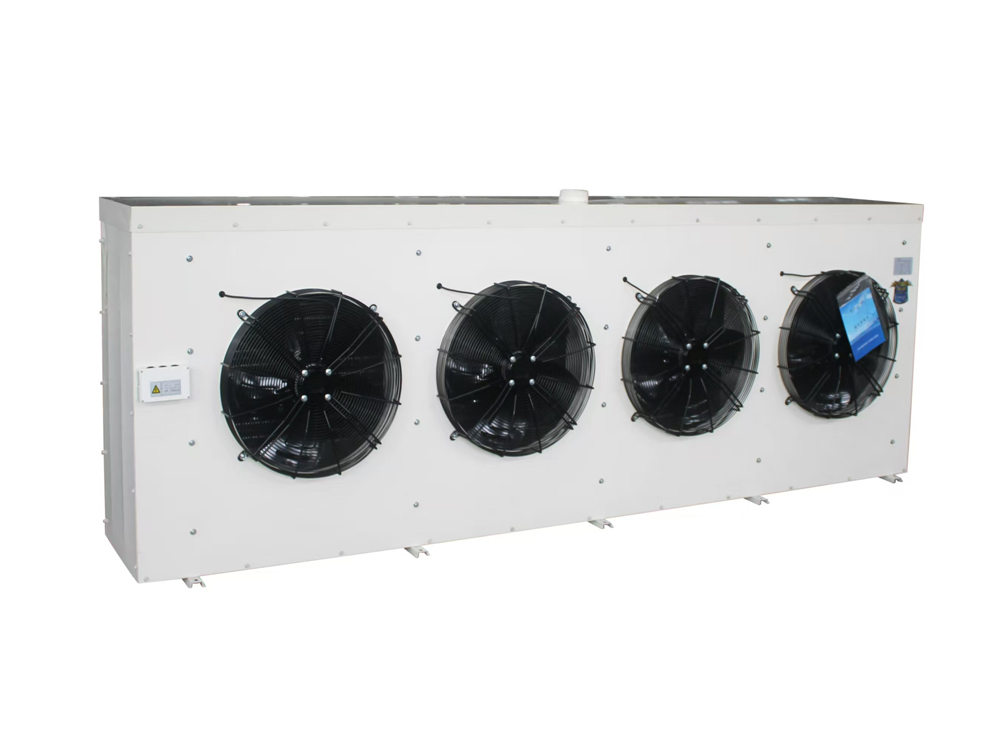
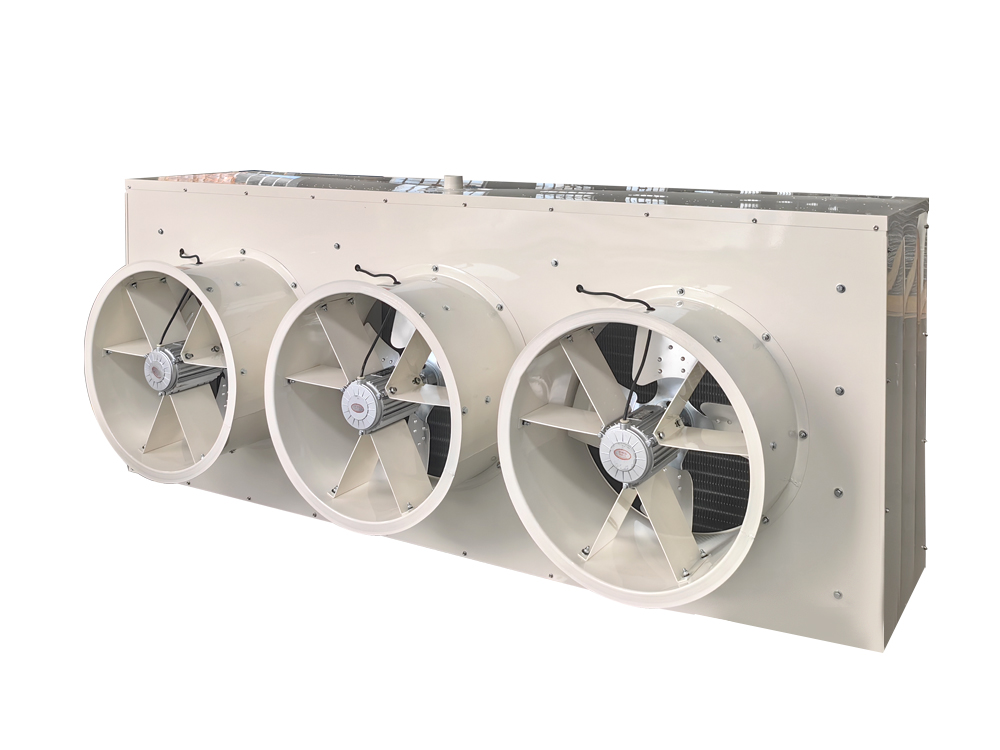
An electric defrosting air cooler typically consists of:
- Evaporator coils for heat exchange
- Axial or centrifugal fans for air circulation
- Electric heating elements installed near or within the coil
- Temperature sensors and defrost timers
- Drain pans and drainage systems
During normal cooling operation, moisture from the air condenses and freezes on the evaporator coils. Over time, this frost layer restricts airflow and reduces heat transfer efficiency. The electric defrost cycle activates heating elements at scheduled intervals, melting the accumulated frost and allowing the system to return to optimal performance.
The balance between cooling and defrosting is delicate. Many common issues originate when this balance is disrupted by environmental factors, incorrect settings, or component wear.
Common Operational Issues and Their Root Causes
Inadequate Defrosting Performance
One of the most frequently reported problems is incomplete or uneven defrosting. This issue often manifests as persistent ice on the coil surface even after a defrost cycle has completed.
Typical root causes include:
- Insufficient defrost duration
- Malfunctioning heating elements
- Incorrect placement of temperature sensors
- Power supply inconsistencies
In many cases, the electric defrosting air cooler itself is structurally sound, but the defrost parameters are poorly matched to the operating conditions, such as high humidity or frequent door openings.
Excessive Frost Formation
Excessive frost accumulation can occur even when defrosting appears to be functioning normally. This problem often indicates upstream or environmental issues rather than a direct equipment fault.
Common contributing factors:
- High moisture infiltration from doors or loading docks
- Air leaks in the cold room envelope
- Fan operation during defrost cycles
- Overloading of stored goods obstructing airflow
For electric defrosting air cooler manufacturers, this issue highlights the importance of system-level design considerations, not just the cooler itself.
Uneven Air Distribution
Uneven temperature distribution within a cold storage area is another common complaint. Certain zones may remain warmer or colder than others, despite continuous operation of the air cooler.
Possible causes include:
- Fan motor imbalance or failure
- Frost blocking specific coil sections
- Poor installation height or orientation
- Obstructed air return paths
While the electric defrosting air cooler may still be cooling effectively in localized areas, overall system performance suffers when airflow patterns are disrupted.
Abnormal Energy Consumption
Unexpected increases in energy consumption are often linked to defrost-related issues. Electric defrosting systems consume additional power during heating cycles, and inefficiencies can quickly escalate operating costs.
Potential reasons:
- Overly frequent defrost cycles
- Defrost heaters remaining energized longer than necessary
- Faulty defrost termination controls
- Heat loss due to inadequate insulation
This issue is particularly relevant for facilities seeking to balance performance with sustainability goals.
Troubleshooting Guide for Electric Defrosting Air Coolers
The following table outlines common issues, probable causes, and recommended corrective actions. It serves as a practical reference for on-site troubleshooting.
| Issue | Probable Cause | Recommended Action |
|---|---|---|
| Frost remains after defrost | Defrost time too short | Adjust defrost duration based on humidity |
| Coil icing unevenly | Heater malfunction | Inspect and replace faulty heaters |
| Water leakage after defrost | Blocked drain pan | Clean drainage system regularly |
| Fans stop during cooling | Control wiring error | Verify fan-defrost interlock logic |
| High energy use | Excessive defrost frequency | Optimize defrost scheduling |
This structured approach helps maintenance teams isolate problems efficiently without unnecessary system downtime.
Electrical and Control System Considerations
Defrost Control Logic
The defrost control system determines when and how defrost cycles are initiated and terminated. Errors in control logic are a leading cause of recurring issues.
Key points to evaluate:
- Timer-based vs. demand-based defrost control
- Accuracy of temperature sensors
- Proper termination thresholds
Modern electric defrosting air cooler designs increasingly rely on sensor-based defrost termination, which reduces unnecessary heating and improves overall efficiency.
Wiring and Power Stability
Electrical stability is essential for consistent defrost performance. Voltage fluctuations or loose connections can impair heater output without triggering obvious alarms.
Recommended practices:
- Periodic inspection of terminal connections
- Verification of heater resistance values
- Monitoring of supply voltage during defrost cycles
Electric defrosting air cooler manufacturers often specify tight electrical tolerances to ensure safe and reliable operation.
Mechanical Factors Affecting Defrost Efficiency
Heater Placement and Condition
The effectiveness of electric defrosting depends heavily on heater placement. Poorly positioned heaters may leave cold spots where ice persists.
Maintenance checks should include:
- Visual inspection for physical damage
- Even heat distribution across coil surfaces
- Secure mounting and insulation
Over time, thermal fatigue can reduce heater efficiency, making periodic evaluation essential.
Drainage System Integrity
During defrost, melted frost must be removed quickly and completely. Drainage issues can lead to refreezing, ice buildup on floors, and hygiene risks.
Common problems include:
- Frozen drain lines
- Improper drain pan slope
- Inadequate heat tracing
Addressing drainage issues often resolves secondary problems that appear unrelated to defrosting at first glance.
Environmental and Installation Influences
Room Conditions and Usage Patterns
The performance of an electric defrosting air cooler is closely linked to its operating environment. High-traffic cold rooms experience greater moisture ingress, increasing defrost demand.
Factors to assess:
- Door opening frequency
- Product loading temperature
- Ambient humidity levels
Matching defrost strategy to real-world usage is critical for stable performance.
Installation Configuration
Improper installation can undermine even the most advanced air cooler design.
Installation-related issues may include:
- Insufficient clearance around the unit
- Incorrect airflow direction
- Incompatible mounting height
Electric defrosting air cooler manufacturers typically provide installation guidelines that should be followed precisely to avoid long-term issues.
Preventive Maintenance Strategies
Preventive maintenance is the most effective way to reduce troubleshooting frequency. A structured maintenance plan improves system reliability and extends equipment lifespan.
Routine Maintenance Checklist
| Maintenance Task | Recommended Frequency |
|---|---|
| Inspect heaters and wiring | Quarterly |
| Clean coils and drain pans | Monthly |
| Test defrost termination sensors | Biannually |
| Verify fan operation | Monthly |
| Check insulation and seals | Annually |
By adhering to a proactive maintenance schedule, facilities can minimize unexpected failures and maintain consistent cooling performance.
System Optimization and Best Practices
Balancing Defrost Frequency and Duration
Excessive defrosting wastes energy, while insufficient defrosting reduces cooling efficiency. The optimal balance depends on operating conditions rather than fixed schedules.
Best practices include:
- Adjusting defrost parameters seasonally
- Using demand-based defrost when feasible
- Reviewing performance trends rather than reacting to isolated incidents
Collaboration with Technical Specialists
While on-site teams handle daily operations, collaboration with experienced technicians or consulting engineers can provide valuable insights. Electric defrosting air cooler manufacturers often support system audits that identify hidden inefficiencies without requiring equipment replacement.
Conclusion
Troubleshooting common issues in electric defrosting air coolers requires a holistic understanding of electrical controls, mechanical components, environmental conditions, and operational practices. Most problems can be traced to mismatches between system settings and real-world usage rather than fundamental equipment defects.
By applying structured troubleshooting methods, maintaining clear maintenance routines, and aligning defrost strategies with environmental demands, operators can significantly enhance system reliability. For stakeholders working closely with electric defrosting air cooler manufacturers, this knowledge supports better specification, installation, and long-term asset management.
FAQ
Q1: How often should an electric defrosting air cooler run a defrost cycle?
Defrost frequency depends on humidity, usage patterns, and room temperature. There is no universal setting, but cycles should be optimized to remove frost without unnecessary heating.
Q2: What causes water leakage after defrosting?
Water leakage is commonly caused by blocked or frozen drain lines, improper drain pan slope, or insufficient drainage heating.
Q3: Can excessive defrosting damage the air cooler?
While occasional over-defrosting is not immediately harmful, repeated excessive heating can accelerate component wear and increase energy consumption.
Q4: Is sensor-based defrost better than timer-based defrost?
Sensor-based defrost generally improves efficiency by terminating the defrost cycle as soon as ice is removed, reducing unnecessary energy use.
Q5: How can uneven cooling be resolved?
Uneven cooling is often addressed by improving airflow, checking fan performance, ensuring proper installation, and confirming that defrosting occurs evenly across the coil.


 Contact Number:+86-18858565929
