

 English
 русский
 Español
Content
- 1 Understanding Traditional Air Coolers
- 2 What Is an Electric Defrosting Air Cooler?
- 3 Core Differences in Working Principles
- 4 Performance Comparison Overview
- 5 Energy Efficiency and Operational Impact
- 6 Maintenance and Reliability Considerations
- 7 Application Scenarios and Suitability
- 8 Product-Oriented Feature Overview
- 9 Long-Term Cost Perspective
- 10 The Role of Smart Control and Automation
- 11 Conclusion: Making the Right Choice
- 12 FAQ
As temperature control becomes increasingly important across industrial, commercial, and semi-industrial environments, cooling technologies are undergoing steady evolution. Among the many solutions available today, air coolers remain a widely adopted option due to their balance between energy efficiency, installation flexibility, and operational simplicity. However, not all air coolers are built on the same technical foundation.
In recent years, the electric defrosting air cooler has emerged as a notable upgrade over traditional air coolers, particularly in environments where stable cooling performance, reduced maintenance, and long-term operational reliability are essential. This article explores the fundamental differences between electric defrosting air coolers and traditional coolers, analyzing their working principles, performance characteristics, application suitability, and long-term value.
Understanding Traditional Air Coolers
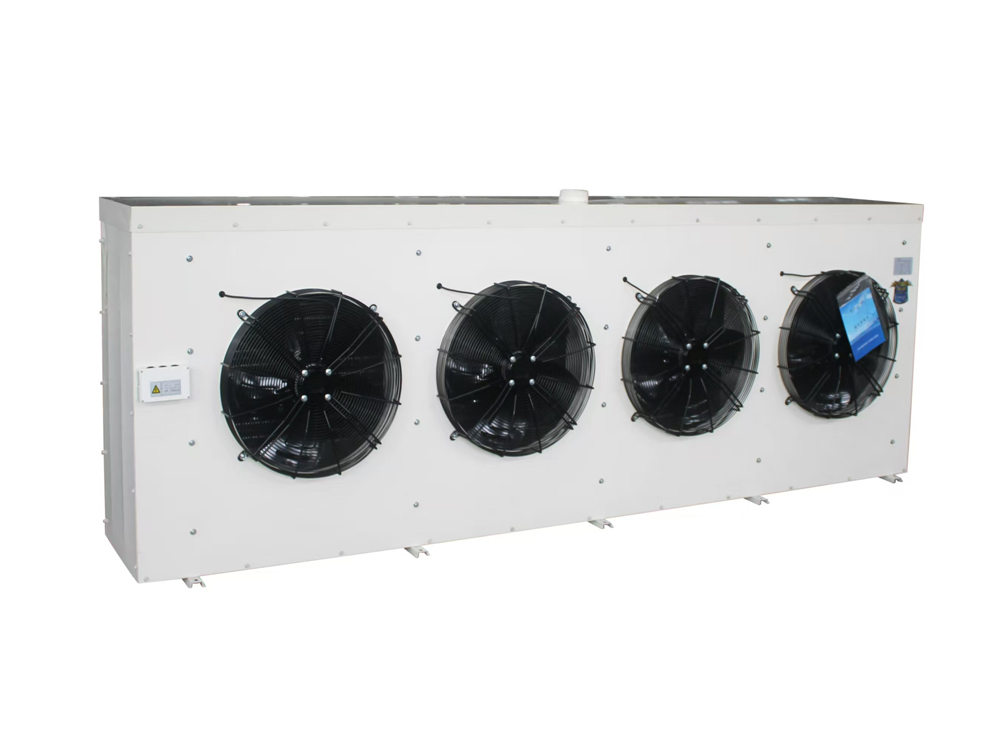
Traditional air coolers, often used in cold storage rooms, food processing areas, warehouses, and industrial workshops, operate on a relatively straightforward principle. They circulate air across cooling coils to remove heat from the environment, maintaining a target temperature range.
While effective in basic cooling applications, traditional coolers typically rely on passive or manual defrosting methods. Frost accumulation on the evaporator surface is a known limitation, particularly in high-humidity or low-temperature environments. Over time, frost buildup can restrict airflow, reduce heat exchange efficiency, and increase energy consumption.
Common Characteristics of Traditional Coolers
- Dependence on natural or off-cycle defrosting
- Gradual performance degradation due to frost accumulation
- Higher maintenance frequency in cold or humid environments
- Limited temperature stability during extended operation
Although traditional coolers continue to be widely used, their design reflects an earlier stage of cooling technology, where manual intervention and periodic downtime were considered acceptable operational trade-offs.
What Is an Electric Defrosting Air Cooler?
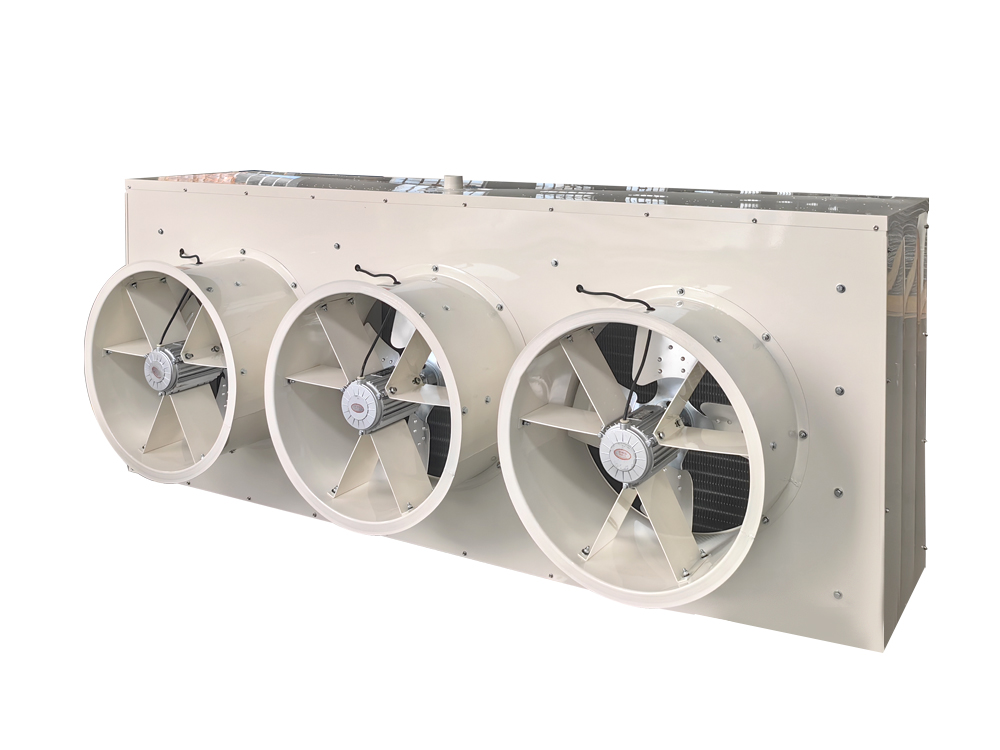
An electric defrosting air cooler integrates an active defrosting system directly into the cooling unit. Instead of relying on ambient temperature changes or manual intervention, electric heating elements are used to periodically remove frost from the evaporator surface.
This approach allows the unit to maintain optimal heat exchange efficiency even in demanding operating conditions. By automating the defrosting process, electric defrosting air coolers ensure consistent airflow, stable cooling output, and reduced wear on core components.
Key Functional Features
- Built-in electric defrosting mechanism
- Automated defrost cycles without manual operation
- Improved airflow consistency
- Reduced frost-related performance loss
The integration of electric defrosting technology marks a shift toward smarter, more reliable air cooling solutions, especially in environments that require continuous operation.
Core Differences in Working Principles
While both systems are designed to regulate temperature through air circulation and heat exchange, their internal processes differ significantly when frost management is considered.
Traditional coolers allow frost to accumulate until cooling efficiency is visibly affected, at which point defrosting becomes necessary. In contrast, an electric defrosting air cooler proactively manages frost formation through scheduled or sensor-controlled heating cycles.
This distinction directly influences performance stability, energy efficiency, and system longevity.
Performance Comparison Overview
| Aspect | Traditional Air Cooler | Electric Defrosting Air Cooler |
|---|---|---|
| Frost Management | Passive or manual | Active electric defrosting |
| Cooling Stability | Gradual decline over time | Consistent and stable |
| Maintenance Frequency | Higher | Lower |
| Airflow Efficiency | Affected by frost | Maintained |
| Operational Downtime | Periodic | Minimal |
This comparison highlights how defrosting technology plays a central role in determining overall system effectiveness rather than being a secondary feature.
Energy Efficiency and Operational Impact
Energy efficiency is often a primary concern when selecting cooling equipment. Traditional coolers may appear simpler, but frost accumulation increases resistance to airflow and forces the system to operate longer to achieve the same cooling effect. This hidden inefficiency becomes more pronounced over extended use.
An electric defrosting air cooler, by maintaining clean heat exchange surfaces, supports stable energy consumption patterns. Although electric defrosting introduces additional power usage during defrost cycles, this is often offset by improved cooling efficiency and shorter compressor run times.
From an operational standpoint, consistent performance reduces the need for corrective actions and helps maintain predictable energy usage profiles.
Maintenance and Reliability Considerations
Maintenance requirements are a decisive factor for facilities that operate continuously or with limited technical staff. Traditional coolers typically require regular inspection and manual defrosting, particularly in cold storage or high-moisture environments.
Electric defrosting air coolers significantly reduce these demands. Automated defrosting minimizes ice-related stress on components such as fans, coils, and housing structures. Over time, this contributes to improved system reliability and longer service life.
Maintenance Comparison
| Maintenance Aspect | Traditional Cooler | Electric Defrosting Air Cooler |
|---|---|---|
| Manual Defrosting | Required | Not required |
| Component Wear | Higher | Reduced |
| Service Intervals | Shorter | Longer |
| Risk of Performance Failure | Moderate | Lower |
The reduction in maintenance complexity is particularly valuable in applications where downtime translates directly into operational losses.
Application Scenarios and Suitability
Choosing between these two cooling technologies depends heavily on application requirements rather than general performance claims.
Traditional coolers remain suitable for environments with:
- Moderate humidity
- Intermittent operation
- Limited cooling precision requirements
However, electric defrosting air coolers are better suited for:
- Cold storage facilities
- Food preservation environments
- Logistics and warehousing with continuous operation
- Industrial processes requiring temperature consistency
The ability to operate reliably under challenging conditions makes electric defrosting technology increasingly relevant in modern temperature-controlled spaces.
Product-Oriented Feature Overview
| Feature Category | Description |
|---|---|
| Defrosting System | Integrated electric heating elements |
| Control Method | Automated or sensor-based |
| Air Distribution | Uniform and continuous |
| Temperature Stability | High |
| Operational Continuity | Designed for long-term operation |
This feature set reflects a design philosophy focused on minimizing performance fluctuation and operational intervention.
Long-Term Cost Perspective
Initial equipment selection often emphasizes upfront cost, but long-term value is determined by energy usage, maintenance frequency, and system reliability.
Traditional coolers may present lower initial investment, yet increased maintenance labor, higher energy consumption over time, and more frequent operational disruptions can erode this advantage.
An electric defrosting air cooler, while technically more advanced, offers predictable performance and reduced lifecycle costs, making it a strategic choice for facilities planning long-term operation.
The Role of Smart Control and Automation
Modern cooling systems increasingly rely on automation to enhance efficiency and reliability. Electric defrosting air coolers align well with this trend by enabling integration with intelligent control systems.
Automated defrost scheduling, temperature feedback, and airflow regulation contribute to a more responsive and adaptive cooling environment. This level of control is difficult to achieve with traditional coolers without significant manual oversight.
Conclusion: Making the Right Choice
The comparison between electric defrosting air coolers and traditional coolers ultimately highlights a broader shift in cooling technology priorities. Where traditional systems focus on basic functionality, electric defrosting solutions emphasize consistency, efficiency, and reduced operational burden.
For environments with stable conditions and limited usage demands, traditional coolers may remain adequate. However, for applications requiring continuous performance, temperature reliability, and minimal maintenance intervention, the electric defrosting air cooler represents a more forward-looking solution.
By understanding the underlying technology rather than surface-level specifications, decision-makers can select cooling systems that align with both immediate needs and long-term operational goals.
FAQ
Q1: Is an electric defrosting air cooler suitable for continuous operation?
Yes. It is specifically designed to maintain stable performance during long-term, continuous operation without frequent manual intervention.
Q2: Does electric defrosting significantly increase energy consumption?
Electric defrosting adds short, controlled heating cycles, but overall energy efficiency is often improved due to consistent heat exchange and reduced system strain.
Q3: Can electric defrosting air coolers operate in high-humidity environments?
They are well-suited for high-humidity conditions, as active defrosting prevents excessive frost buildup that would otherwise affect airflow and efficiency.
Q4: How does defrosting impact system lifespan?
Effective defrosting reduces mechanical stress and corrosion risk, contributing to longer component life and improved reliability.
Q5: Are electric defrosting air coolers more complex to manage?
Despite advanced functionality, automated controls typically make them easier to manage than traditional systems requiring manual defrosting.


 Contact Number:+86-18858565929
