

 English
 русский
 Español
Content
- 1 Understanding Industrial Cold Room Coolers
- 2 Common Applications in the Food Industry
- 3 Applications in the Pharmaceutical Industry
- 4 Industrial Applications Beyond Food and Pharmaceuticals
- 5 Operational Benefits of Industrial Cold Room Coolers
- 6 Integration with Cold Chain Logistics
- 7 Maintenance Considerations
- 8 Conclusion
- 9 FAQ
In today’s industrial landscape, maintaining precise temperature control is crucial for the quality, safety, and efficiency of many processes. Industrial cold room coolers play a pivotal role in ensuring optimal storage conditions, particularly in industries that require strict temperature management. Among the various types, side-door air coolers and modular industrial cold room coolers are widely employed due to their efficiency, flexibility, and adaptability.
Understanding Industrial Cold Room Coolers
Industrial cold room coolers are refrigeration units designed to maintain low temperatures in controlled storage spaces. These systems are engineered for large-scale storage environments, such as warehouses, food processing facilities, and pharmaceutical storage areas. By regulating temperature and humidity, they ensure that perishable items, sensitive chemicals, and other temperature-sensitive products remain in optimal condition.
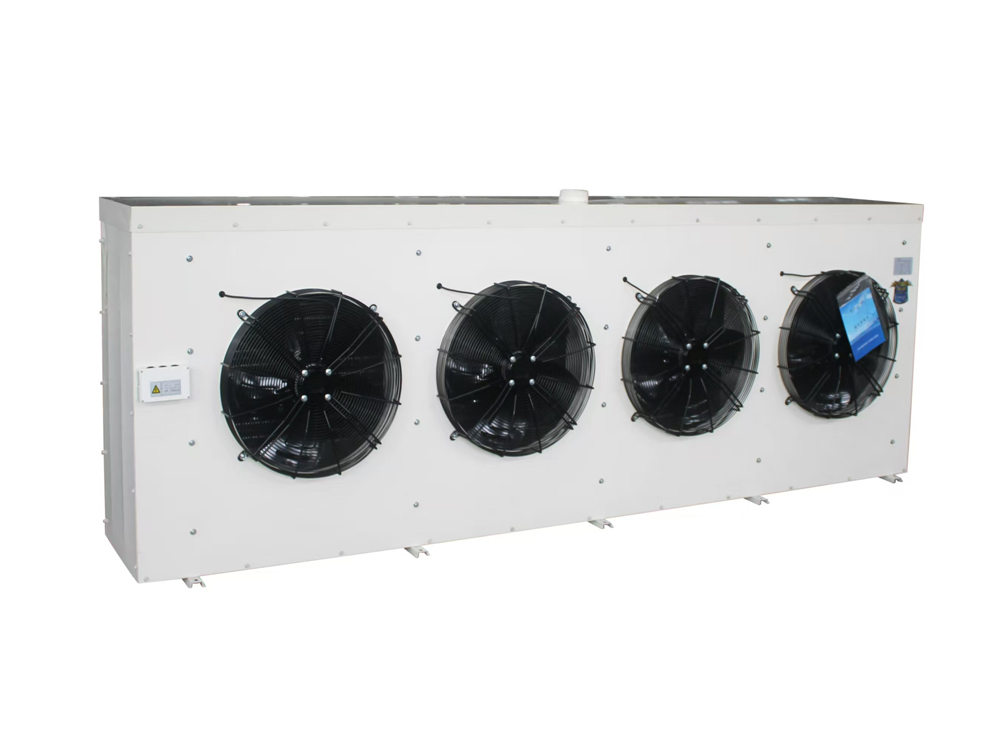
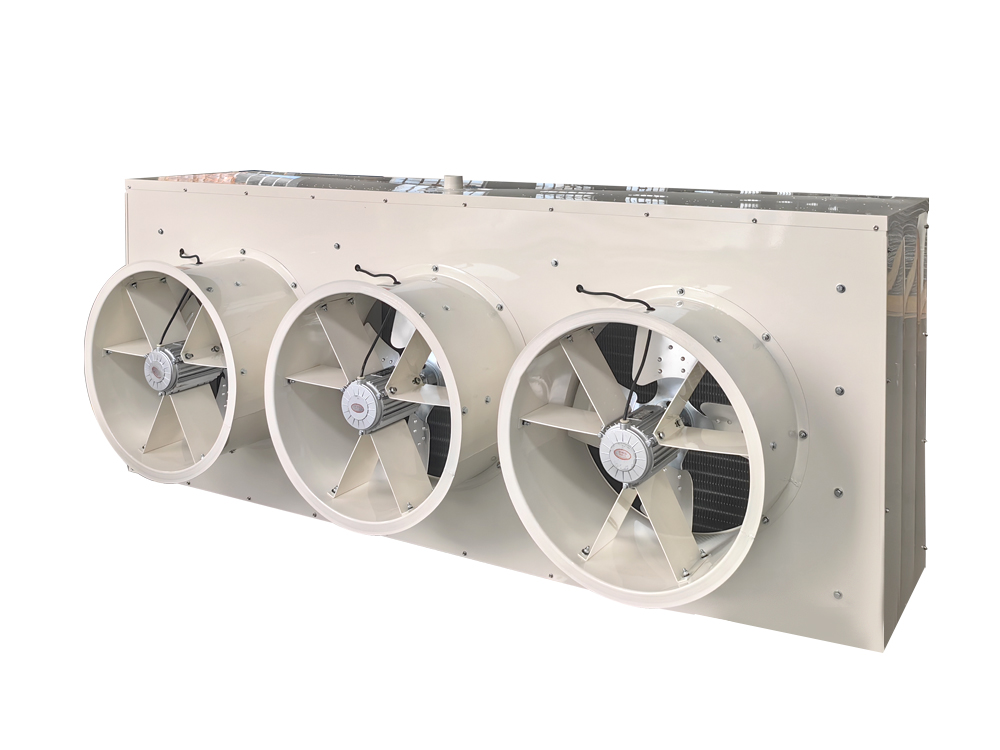
Among these systems, the side-door air cooler is a popular configuration. It features a compact, wall-mounted design that directs airflow uniformly across the cold room, enhancing cooling efficiency while minimizing energy consumption. These units are particularly suitable for narrow spaces or rooms with multiple compartments, offering easy maintenance access without disrupting stored products.
Key Features of Industrial Cold Room Coolers
The effectiveness of industrial cold room coolers depends on several technical attributes:
| Feature | Description | Benefits |
|---|---|---|
| Refrigerant Type | Modern industrial coolers utilize environmentally friendly refrigerants | Reduces environmental impact while providing efficient cooling |
| Airflow Distribution | Fans and duct designs ensure uniform air circulation | Prevents hot spots and maintains consistent temperature |
| Energy Efficiency | High-efficiency compressors and advanced controls | Lowers operational costs |
| Defrosting Methods | Water defrosting or electric defrosting | Prevents ice buildup, maintaining consistent performance |
| Installation Flexibility | Wall-mounted, ceiling-mounted, or side-door configurations | Adaptable to different cold room layouts |
Common Applications in the Food Industry
The food industry represents one of the most significant applications for industrial cold room coolers. Proper refrigeration is critical for extending shelf life, maintaining quality, and ensuring food safety. Industrial cold room coolers are utilized in multiple stages of food handling, from storage to distribution.
Meat and Seafood Storage
Meat and seafood products are highly perishable and require precise temperature control. Industrial cold room coolers maintain temperatures near freezing, preventing bacterial growth and preserving freshness. Side-door air coolers are particularly effective in these environments, as they can direct cold air evenly without obstructing storage racks, allowing for high-density product storage.
Dairy and Beverage Processing
Dairy products, including milk, cheese, and yogurt, are sensitive to temperature fluctuations. Cold room coolers ensure consistent storage temperatures, preventing spoilage and preserving product quality. In beverage production, cold room coolers maintain low temperatures for carbonated drinks, juices, and other temperature-sensitive liquids, preventing foam formation and preserving taste integrity.
Fruit and Vegetable Storage
Fruits and vegetables continue to respire after harvest, generating heat that accelerates spoilage. Industrial cold room coolers slow metabolic activity, reducing weight loss and prolonging shelf life. Adjustable airflow systems in side-door air coolers ensure that delicate produce is not exposed to direct cold air, preventing freezing damage.
Applications in the Pharmaceutical Industry
Temperature-sensitive pharmaceutical products require strict cold chain management. Industrial cold room coolers are essential for storing vaccines, biological samples, and medications that must remain within specific temperature ranges.
Vaccine Storage
Vaccines are highly sensitive to temperature deviations. Cold room coolers maintain the precise low-temperature conditions necessary for vaccine stability, ensuring efficacy during storage and distribution. The use of side-door air coolers allows for organized airflow management, reducing temperature gradients and maintaining product integrity.
Laboratory and Research Storage
Pharmaceutical laboratories often require specialized cold storage for reagents, enzymes, and biological materials. Industrial cold room coolers provide stable, reliable conditions for extended periods, minimizing the risk of degradation.
Controlled Temperature Warehouses
Pharmaceutical warehouses use industrial cold room coolers to manage large-scale inventory under consistent conditions. Modular cooling systems allow for scalable installation, supporting the expansion of storage capacity without compromising performance.
Industrial Applications Beyond Food and Pharmaceuticals
Industrial cold room coolers are not limited to food and pharmaceutical storage. Many manufacturing and chemical industries rely on these systems for temperature-sensitive processes and materials.
Chemical Storage
Certain chemicals require low-temperature storage to maintain stability or prevent hazardous reactions. Cold room coolers provide a safe environment for storing volatile compounds, minimizing risk and ensuring regulatory compliance.
Electronics and Battery Storage
Temperature-sensitive electronics, including lithium-ion batteries, require stable low-temperature storage to prevent degradation. Industrial cold room coolers mitigate the effects of thermal cycling and extend the lifespan of sensitive components.
Floral and Agricultural Products
Beyond commercial food processing, cold room coolers support the floral industry by maintaining low temperatures that preserve cut flowers, preventing wilting and prolonging vase life.
Operational Benefits of Industrial Cold Room Coolers
Investing in industrial cold room coolers provides multiple operational advantages:
Enhanced Product Quality: Precise temperature control prevents spoilage and maintains product integrity.
Extended Shelf Life: Reduced microbial activity and slowed biochemical processes prolong storage duration.
Energy Efficiency: Modern coolers are optimized to reduce energy consumption while maintaining performance.
Flexible Installation: Side-door air coolers and modular designs allow for easy adaptation to existing facilities.
Reduced Maintenance: Efficient defrosting and accessible designs minimize downtime.
Comparison of Cold Room Cooler Configurations
| Configuration | Ideal Application | Advantages | Limitations |
|---|---|---|---|
| Side-Door Air Cooler | Narrow cold rooms, high-density storage | Compact design, uniform airflow, easy maintenance | Limited for very large open spaces |
| Ceiling-Mounted Cooler | Large open warehouses | Maximizes floor space, strong airflow | Installation complexity |
| Modular Cooler | Expanding facilities, multi-zone storage | Scalable, flexible layout | Higher initial investment |
Integration with Cold Chain Logistics
Industrial cold room coolers are integral to cold chain logistics. From production to final distribution, maintaining a stable temperature is essential to prevent spoilage, preserve efficacy, and comply with regulations. In combination with temperature monitoring systems, these coolers enable real-time tracking and automated alerts for any deviation, reducing the risk of product loss.
Maintenance Considerations
Proper maintenance of industrial cold room coolers ensures longevity and consistent performance. Key aspects include:
- Regular Cleaning: Dust and debris removal from fans and coils improves airflow efficiency.
- Defrosting Management: Regular water or electric defrosting prevents ice buildup, ensuring optimal cooling.
- Inspection of Components: Checking compressors, fans, and refrigerant levels reduces the risk of breakdowns.
- Calibration of Controls: Ensuring temperature sensors and thermostats are accurate guarantees consistent cold storage conditions.
Recommended Maintenance Schedule
| Task | Frequency | Purpose |
|---|---|---|
| Coil Cleaning | Monthly | Maintain heat transfer efficiency |
| Fan Inspection | Quarterly | Ensure uniform airflow |
| Refrigerant Check | Biannually | Prevent leaks and maintain performance |
| Defrost System Check | Monthly | Avoid ice buildup and energy loss |
| Temperature Calibration | Quarterly | Ensure precise storage conditions |
Conclusion
Industrial cold room coolers, including side-door air coolers, are indispensable in industries requiring precise temperature control. From food storage to pharmaceutical preservation, chemical safety, and sensitive electronic storage, these systems ensure product quality, operational efficiency, and regulatory compliance. Advances in design, energy efficiency, and automation continue to enhance their value in modern industrial operations. Selecting the right configuration, maintaining proper operational practices, and integrating smart monitoring systems are essential for maximizing performance and extending equipment lifespan.
FAQ
Q1: What is the difference between a side-door air cooler and other cold room coolers?
A: Side-door air coolers are designed for compact or narrow storage spaces, offering uniform airflow and easy access for maintenance. Other coolers, such as ceiling-mounted units, may provide stronger airflow for large open areas but can be less accessible.
Q2: Can industrial cold room coolers be used for non-food applications?
A: Yes, they are commonly used in pharmaceuticals, chemicals, electronics, and floral storage, providing precise temperature control for temperature-sensitive products.
Q3: How often should maintenance be performed on industrial cold room coolers?
A: Regular maintenance, including monthly cleaning, quarterly inspections, and biannual refrigerant checks, helps ensure optimal performance and prevents equipment failure.
Q4: Are industrial cold room coolers energy-efficient?
A: Modern units are designed with high-efficiency compressors, smart control systems, and energy recovery options, providing reliable cooling with lower energy consumption.
Q5: What is the typical lifespan of an industrial cold room cooler?
A: With proper maintenance and operation, industrial cold room coolers can last 10–15 years, depending on usage intensity and environmental conditions.


 Contact Number:+86-18858565929
