

 English
 русский
 Español
Content
- 1 Introduction: A Shift Toward Smarter Cooling Solutions
- 2 Understanding the Water Defrosting Air Cooler
- 3 Core Working Principle
- 4 Key Benefits of Using a Water Defrosting Air Cooler
- 5 Structural and Design Advantages
- 6 Maintenance and Operational Benefits
- 7 Application Flexibility Across Industries
- 8 Environmental and Sustainability Considerations
- 9 Comparative Overview of Defrosting Approaches
- 10 Integration with Intelligent Control Systems
- 11 Conclusion: A Balanced Approach to Modern Cooling Challenges
- 12 FAQ
Introduction: A Shift Toward Smarter Cooling Solutions
As global demand for efficient, resilient, and environmentally responsible cooling systems continues to rise, the air cooling industry is undergoing a quiet but significant transformation. Traditional cooling methods, while proven, are increasingly challenged by energy efficiency requirements, operational stability in extreme climates, and the need for lower maintenance cycles. Within this context, the water defrosting air cooler has emerged as a technically refined solution that addresses long-standing issues related to frost accumulation, system downtime, and performance degradation.
Understanding the Water Defrosting Air Cooler
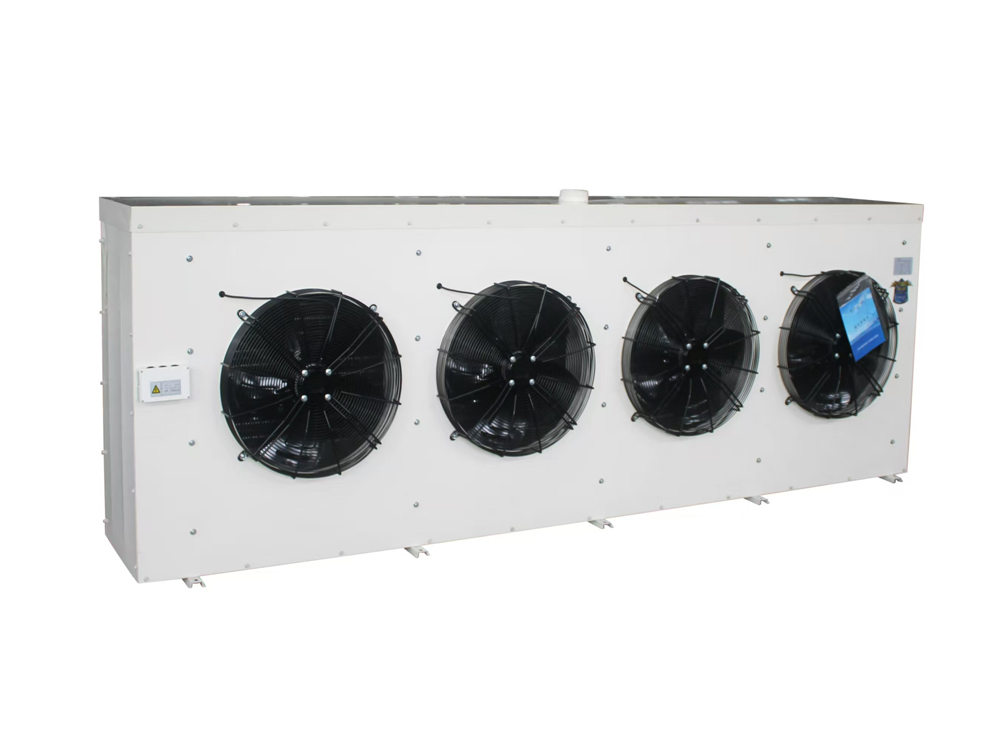
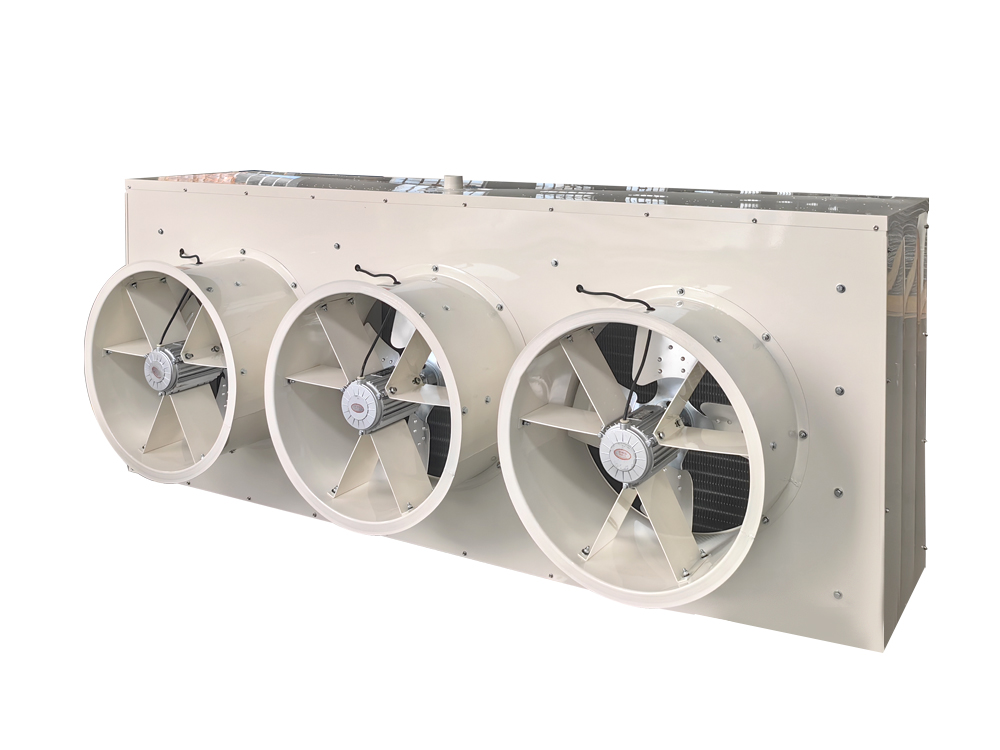
A water defrosting air cooler is an air cooling system that integrates a controlled water-based defrosting mechanism to remove frost or ice accumulation from heat exchange surfaces. Unlike conventional defrosting approaches that rely solely on electric heating or passive temperature rise, water defrosting uses regulated water flow to accelerate ice melting while minimizing thermal shock and energy waste.
Frost accumulation is a persistent issue in air cooling environments where humidity and low temperatures coexist. When frost forms on heat exchanger surfaces, airflow is restricted, heat transfer efficiency drops, and energy consumption increases. Over time, this leads to reduced cooling capacity and higher operating costs. The water defrosting approach directly targets these issues at their source.
Core Working Principle
The working principle of a water defrosting air cooler is based on controlled thermal exchange rather than brute-force heating. When sensors detect frost buildup beyond a defined threshold, the system activates a defrosting cycle. During this cycle, water at a regulated temperature is distributed across the heat exchange surface. The water absorbs latent heat from the ice, causing it to melt and drain away efficiently.
This process avoids excessive temperature spikes, which can stress materials and shorten equipment lifespan. Once defrosting is complete, the system seamlessly transitions back to standard cooling operation without prolonged downtime.
Key Benefits of Using a Water Defrosting Air Cooler
Enhanced Cooling Efficiency
One of the most significant benefits of a water defrosting air cooler is its ability to maintain stable cooling efficiency over extended operating periods. By preventing heavy frost buildup, airflow paths remain unobstructed, allowing consistent heat exchange performance. This stability is particularly valuable in environments where uninterrupted cooling is critical.
Reduced Energy Consumption
Traditional defrosting methods often rely on electric heating elements, which can consume substantial amounts of energy during defrost cycles. In contrast, water defrosting leverages the thermal properties of water to achieve faster ice removal with lower energy input. This results in more balanced energy usage across the system’s operating lifecycle.
Shorter Defrosting Cycles
Defrosting time directly impacts system availability. Water defrosting air coolers typically complete defrost cycles faster than air-only or electric-based systems. Shorter defrosting periods mean less interruption to cooling operations, which contributes to higher overall system productivity.
Improved Equipment Longevity
Repeated thermal stress is a common cause of material fatigue in cooling systems. Water-based defrosting introduces gradual and controlled temperature changes, reducing mechanical stress on coils, fins, and structural components. Over time, this contributes to longer service life and fewer component replacements.
Operational Stability in Challenging Environments
In high-humidity or low-temperature environments, frost can form rapidly and unpredictably. The responsive nature of water defrosting systems allows them to adapt quickly to changing conditions, ensuring stable performance even in demanding operational settings.
Structural and Design Advantages
The design of a water defrosting air cooler reflects a balance between mechanical simplicity and functional precision. Key design features typically include corrosion-resistant water distribution channels, optimized drainage paths, and integrated control logic.
The following table outlines typical structural components and their functional roles:
| Component | Function | Contribution to Performance |
|---|---|---|
| Heat Exchange Coil | Facilitates thermal transfer between air and refrigerant | Maintains cooling efficiency |
| Water Distribution System | Delivers controlled water flow during defrosting | Enables rapid and even ice removal |
| Drainage Channel | Removes melted frost from the system | Prevents refreezing and water accumulation |
| Sensors and Controls | Monitor temperature and frost levels | Ensures timely and precise defrost cycles |
| Protective Housing | Shields internal components from environmental exposure | Enhances durability and safety |
This integrated design approach ensures that defrosting is not an afterthought, but a core function aligned with the system’s cooling objectives.
Maintenance and Operational Benefits
From a maintenance perspective, water defrosting air coolers offer several practical advantages. Because frost is removed more efficiently and with less thermal stress, components experience slower wear rates. Maintenance intervals can often be extended, and routine inspections become more predictable.
Additionally, water defrosting systems tend to produce fewer sudden performance drops. Operators benefit from clearer performance trends, making it easier to plan maintenance activities without emergency interventions.
Application Flexibility Across Industries
The adaptability of the water defrosting air cooler makes it suitable for a wide range of applications. While specific use cases vary, the underlying benefit remains consistent: reliable cooling under conditions where frost formation would otherwise compromise performance.
Common application environments include temperature-controlled storage, processing facilities, and technical spaces requiring stable thermal conditions. The system’s ability to maintain efficiency across fluctuating humidity and temperature levels makes it a versatile option for long-term deployment.
Environmental and Sustainability Considerations
Environmental responsibility is increasingly shaping equipment selection decisions. Water defrosting air coolers align well with sustainability objectives by reducing unnecessary energy consumption and minimizing waste heat.
By avoiding excessive electric heating during defrosting, these systems lower indirect emissions associated with power generation. Furthermore, improved efficiency translates into reduced overall resource consumption, supporting broader environmental performance goals.
Comparative Overview of Defrosting Approaches
To better understand the advantages of water defrosting, it is useful to compare it with other common defrosting methods at a functional level:
| Defrosting Method | Energy Demand | Defrost Speed | Thermal Stress | Operational Continuity |
|---|---|---|---|---|
| Electric Heating | High | Moderate | High | Medium |
| Natural Air Defrost | Low | Slow | Low | Low |
| Water Defrosting | Moderate | Fast | Low | High |
This comparison highlights why water defrosting air cooler systems are increasingly considered a balanced solution rather than an extreme approach in either direction.
Integration with Intelligent Control Systems
Modern water defrosting air coolers are often designed to integrate with intelligent control systems. These controls allow real-time monitoring of temperature, humidity, and frost formation, enabling defrost cycles to activate only when necessary.
This data-driven approach further enhances efficiency and reduces unnecessary system interventions. As automation becomes more prevalent in industrial environments, compatibility with intelligent controls strengthens the long-term value of water defrosting technology.
Conclusion: A Balanced Approach to Modern Cooling Challenges
The benefits of using a water defrosting air cooler extend beyond simple frost removal. By combining efficient defrosting, stable performance, reduced energy consumption, and enhanced durability, this technology offers a well-rounded response to the evolving demands of modern cooling applications. Rather than relying on aggressive heating or passive methods, water defrosting introduces a controlled, efficient, and sustainable mechanism that supports long-term operational reliability.
FAQ
Q1: What makes a water defrosting air cooler different from traditional air coolers?
A water defrosting air cooler uses controlled water flow to remove frost, rather than relying solely on electric heating or ambient temperature changes, resulting in faster and more efficient defrosting.
Q2: Does water defrosting increase water consumption significantly?
Water usage is carefully regulated and typically minimal compared to the efficiency gains achieved through reduced energy consumption and shorter defrost cycles.
Q3: Is a water defrosting air cooler suitable for continuous operation?
Yes, the system is designed for stable long-term operation, with defrost cycles that minimize downtime and maintain consistent cooling performance.
Q4: How does water defrosting affect equipment lifespan?
By reducing thermal stress and preventing heavy frost buildup, water defrosting helps extend the service life of key components.
Q5: Can water defrosting air coolers adapt to changing environmental conditions?
Modern systems use sensors and controls to adjust defrosting frequency and duration, allowing them to respond effectively to varying temperature and humidity levels.


 Contact Number:+86-18858565929
