

 English
 русский
 Español
Content
- 1 What Is a Box-type Condensing Unit?
- 2 Why Reliability Matters in Refrigeration Systems
- 3 How Integrated Design Reduces Mechanical Failure
- 4 How Protective Enclosures Improve Safety
- 5 How Stable Airflow Enhances System Reliability
- 6 How Smart Protection Systems Reduce Operational Risk
- 7 How Simplified Maintenance Supports Long-Term Performance
- 8 FAQ
- 9 Conclusion
Modern refrigeration systems are expected to deliver stable performance, consistent temperature control, and long-term operational safety. Whether used in cold storage, food processing, logistics distribution, or industrial cooling environments, refrigeration equipment must maintain efficiency while minimizing downtime and reducing maintenance complexity.
Among the many innovations in refrigeration engineering, the box-type condensing unit has become a practical solution for improving both reliability and safety. Its compact integrated structure, protective enclosure, and optimized internal layout allow it to outperform many traditional split refrigeration configurations.
What Is a Box-type Condensing Unit?
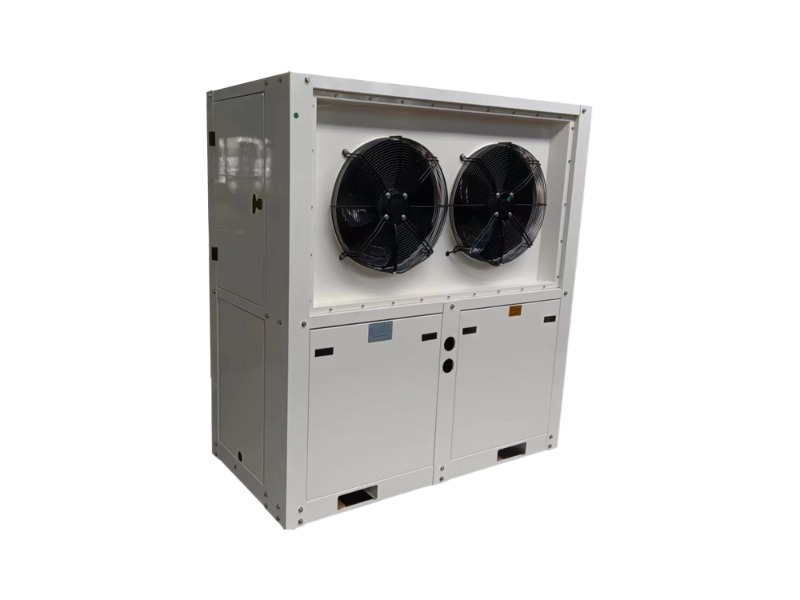
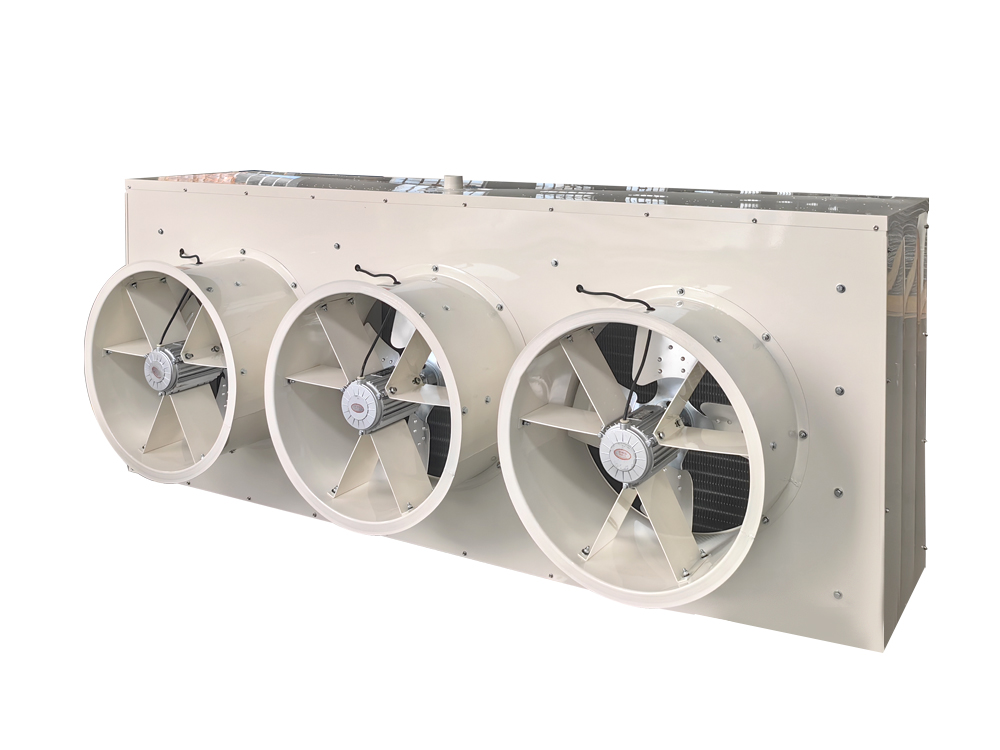
A box-type condensing unit is a fully enclosed refrigeration condensing system that integrates essential refrigeration components into a single compact housing.
These typically include:
| Component | Primary Function |
|---|---|
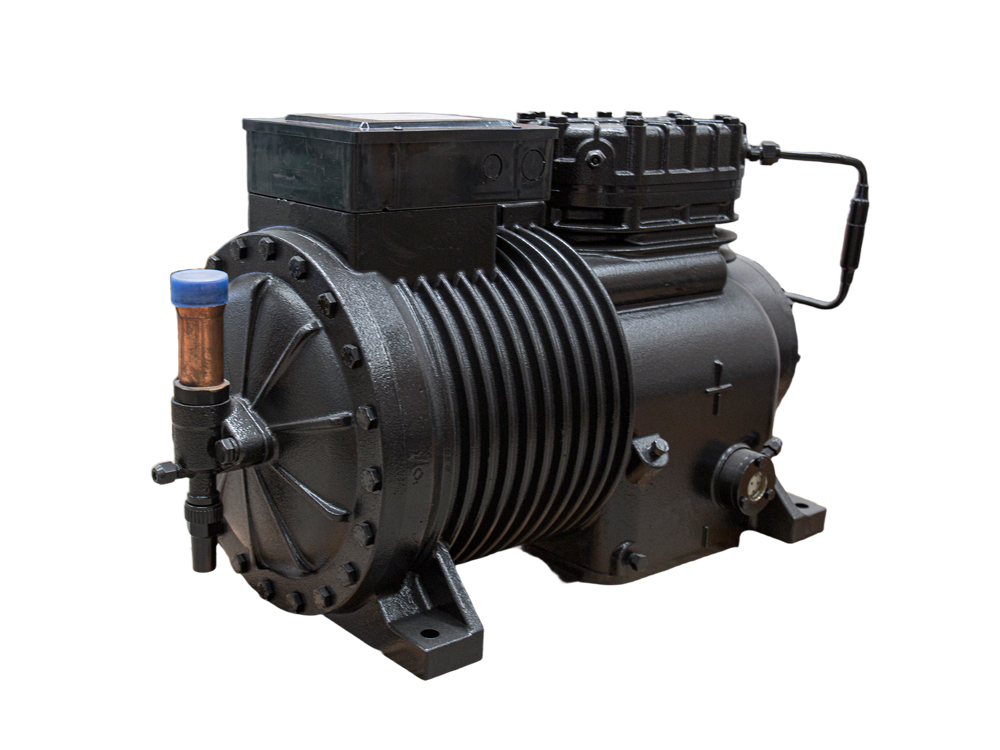
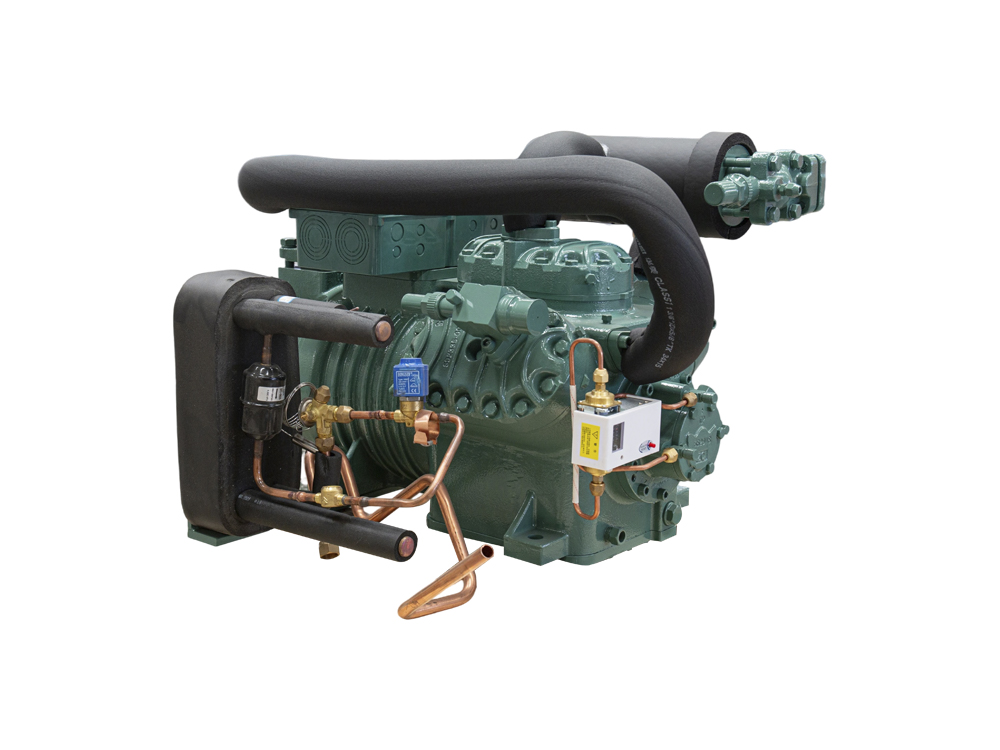
| Compressor | Compresses refrigerant for circulation |
| Condenser coil | Releases heat from refrigerant |
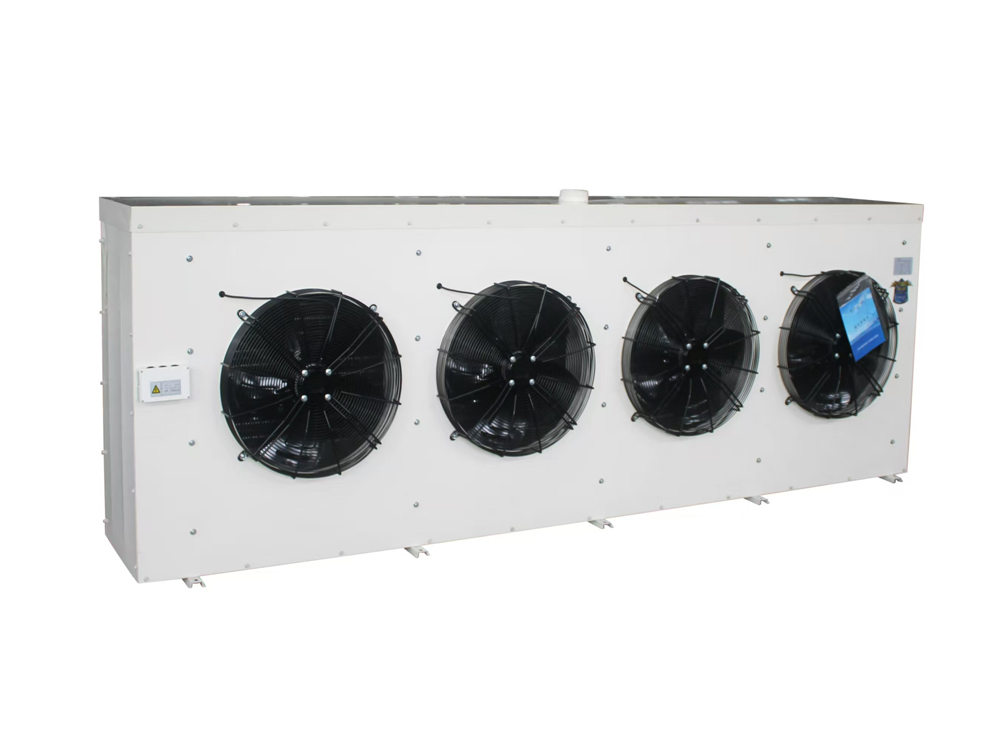
| Fan system | Supports heat exchange airflow |
| Electrical control system | Regulates operation and protection |
| Protective enclosure | Shields internal components |
| Safety monitoring devices | Detect abnormal pressure or temperature |
Unlike conventional distributed systems, a box-type condensing unit centralizes system control and mechanical protection, reducing exposure to environmental risks and simplifying installation.
The all-in-one condensing unit design minimizes external piping complexity and creates a more stable refrigeration platform.
Why Reliability Matters in Refrigeration Systems
Reliability directly affects refrigeration performance, product quality, and operating costs.
When refrigeration systems fail, consequences often include:
- Product spoilage
- Temperature fluctuation
- Increased repair expenses
- Operational interruption
- Safety risks due to refrigerant pressure imbalance
- Reduced equipment lifespan
A properly engineered box-type condensing unit improves operational consistency by reducing weak connection points and protecting critical refrigeration components from environmental stress.
This structural reliability makes it highly suitable for demanding continuous-duty applications.
How Integrated Design Reduces Mechanical Failure
Traditional refrigeration systems often involve multiple independently installed parts connected through field piping and exposed electrical wiring.
This introduces risks such as:
- Loose connections
- Installation inconsistency
- Vibration damage
- Refrigerant leakage points
- Wiring faults
The box-type condensing unit addresses these issues through factory-integrated assembly.
Advantages of integration include:
| Integrated Feature | Reliability Benefit |
|---|---|
| Pre-configured piping | Fewer leak opportunities |
| Factory-tested wiring | Reduced electrical failure |
| Unified structural support | Less vibration stress |
| Optimized airflow path | Better thermal stability |
| Centralized controls | Faster fault response |
Because all critical systems are assembled under controlled production conditions, the all-in-one condensing unit offers higher consistency and fewer startup issues.
How Protective Enclosures Improve Safety
Environmental exposure is one of the leading causes of refrigeration system degradation.
Dust, moisture, corrosive air, accidental impact, and unauthorized interference can compromise exposed refrigeration components.
A box-type condensing unit provides physical protection through its sealed or semi-sealed enclosure.
This improves safety by preventing:
- Moisture intrusion into electrical systems
- Dust accumulation on heat exchange surfaces
- Accidental contact with moving components
- External mechanical damage
- Corrosion caused by harsh surroundings
Enclosure design also supports controlled ventilation, ensuring heat dissipation without sacrificing protection.
This balance is essential for maintaining both performance and operational safety.
How Stable Airflow Enhances System Reliability
Efficient heat rejection is critical for refrigeration performance.
Poor airflow can lead to:
- High condensing pressure
- Compressor overload
- Reduced cooling capacity
- Increased energy consumption
- Shortened compressor life
A well-designed box-type condensing unit uses engineered airflow channels to maximize heat exchange efficiency.
Common airflow optimization features include:
- Balanced fan placement
- Directed air circulation paths
- Reduced recirculation zones
- Improved condenser coil exposure
- Lower vibration turbulence
The all-in-one condensing unit benefits from airflow calibration during manufacturing, ensuring predictable performance under designed operating conditions.
How Smart Protection Systems Reduce Operational Risk
Modern refrigeration systems increasingly rely on automated protective controls.
A quality box-type condensing unit often includes built-in monitoring functions such as:
| Safety Function | Operational Protection |
|---|---|
| High-pressure protection | Prevents pressure overload |
| Low-pressure shutdown | Protects refrigerant circulation |
| Overcurrent monitoring | Prevents electrical damage |
| Thermal overload protection | Protects compressor winding |
| Fan failure detection | Maintains cooling stability |
| Fault alarm systems | Enables rapid response |
These features allow early intervention before minor abnormalities develop into major failures.
The integrated control architecture of an all-in-one condensing unit improves communication between sensors and system responses, reducing delay and increasing precision.
How Simplified Maintenance Supports Long-Term Performance
Complex refrigeration systems are often difficult to inspect and service.
Maintenance delays can increase wear and allow hidden faults to worsen.
The box-type condensing unit simplifies maintenance through centralized access.
Technicians benefit from:
- Organized component layout
- Faster visual inspection
- Easier troubleshooting
- Reduced service downtime
- Simplified cleaning access
Maintenance efficiency contributes directly to system reliability because regular servicing becomes easier to perform consistently.
This operational convenience is one reason all-in-one condensing unit solutions are increasingly favored in professional refrigeration environments.
FAQ
1. Are box-type condensing units suitable for continuous operation?
Yes. Their integrated structural design supports stable long-term operation by reducing vibration, improving thermal management, and protecting critical components.
2. Do enclosed systems reduce cooling efficiency?
Not when properly designed. Advanced airflow engineering allows a box-type condensing unit to maintain strong heat rejection while preserving component protection.
3. How does an all-in-one condensing unit improve installation quality?
Factory assembly reduces field installation errors, ensuring piping, electrical connections, and airflow configurations are optimized before deployment.
4. Are these systems easier to maintain?
Yes. Centralized design improves service accessibility and simplifies inspection, cleaning, and fault diagnosis.
Conclusion
System reliability and safety are essential for successful refrigeration operation. Equipment failure can result in costly interruptions, product loss, and increased maintenance burdens.
The box-type condensing unit solves many traditional refrigeration challenges through integrated construction, protected enclosure design, optimized airflow, and intelligent safety controls.
Its factory-tested architecture reduces installation risks while simplifying maintenance and improving operational consistency.


 Contact Number:+86-18858565929
