

 English
 русский
 Español
Content
- 1 Understanding How a Condensing Unit Works
- 2 Repairs That Are Usually Safe for DIY Handling
- 3 Repairs That Should Not Be Attempted Without Training
- 4 Electrical Component Replacement
- 5 Refrigerant Leak Repairs
- 6 Compressor Repair
- 7 Hidden Risks of DIY Condensing Unit Repair
- 8 When DIY Maintenance Makes Sense
- 9 When Professional Service Is the Safer Choice
- 10 The Smart Approach to Condensing Unit Reliability
- 11 FAQ
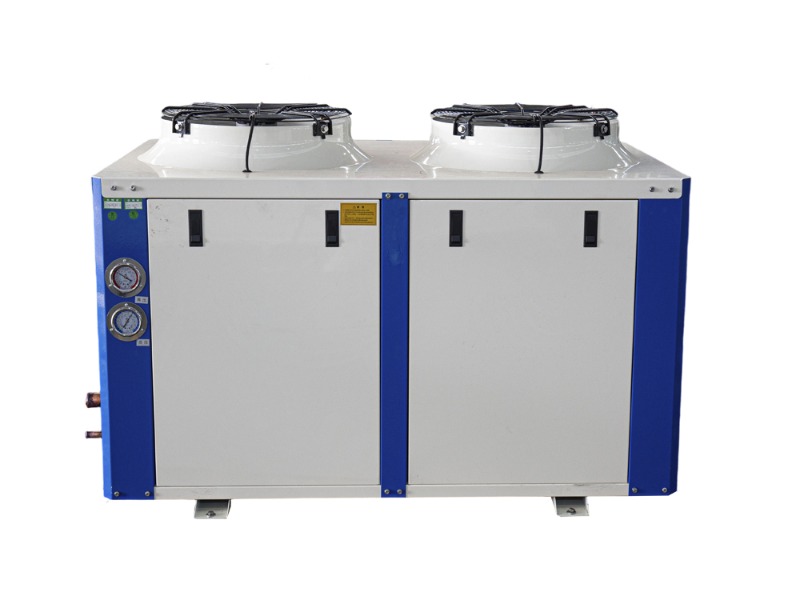
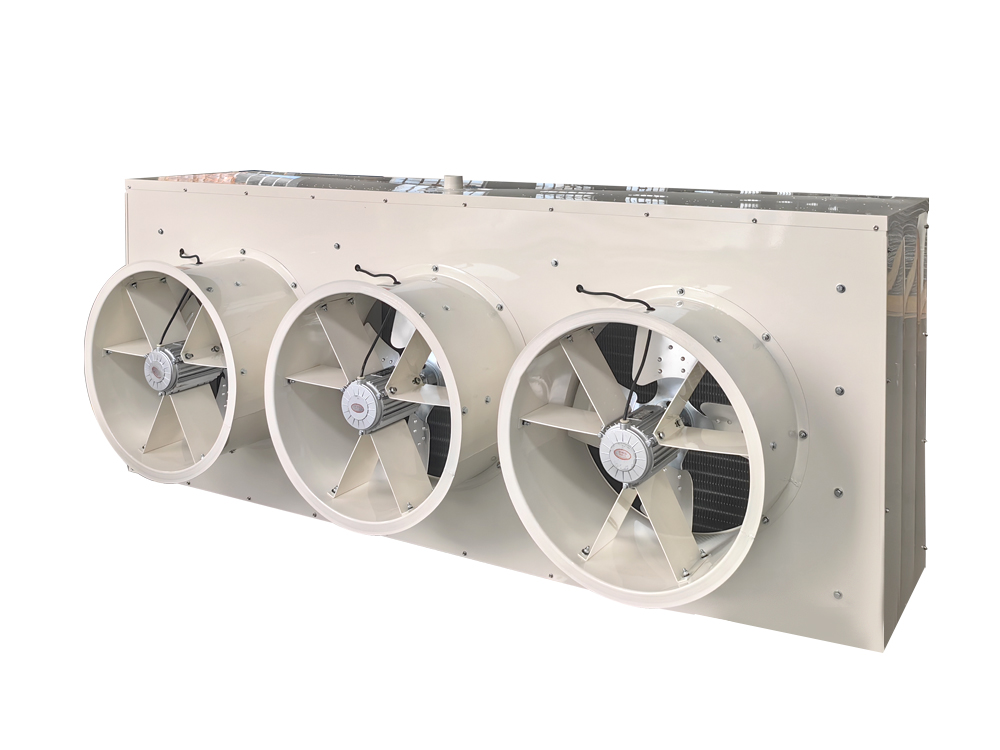
A condensing unit is one of the most important components in any cooling system. Located outdoors in most HVAC installations, the condensing unit is responsible for releasing heat collected from indoor air. It contains critical parts such as the compressor, condenser coil, fan motor, electrical controls, and refrigerant lines.
When performance drops, many property owners consider fixing the condensing unit themselves to save time and service costs. While basic maintenance tasks are often manageable, attempting major repairs without proper knowledge can create safety risks, system damage, and expensive future failures.
The real question is not whether repair is possible, but whether it is safe and appropriate for the specific issue.
Understanding How a Condensing Unit Works
Before attempting any repair, it is important to understand the operating function of a condensing unit.
The system removes heat from indoor spaces by circulating refrigerant through a closed loop. Inside the condensing unit, refrigerant releases absorbed heat to the outdoor air through the condenser coil while the fan improves airflow across the coil surface.
The major working components include:
| Component | Function | Common Issues |
|---|---|---|
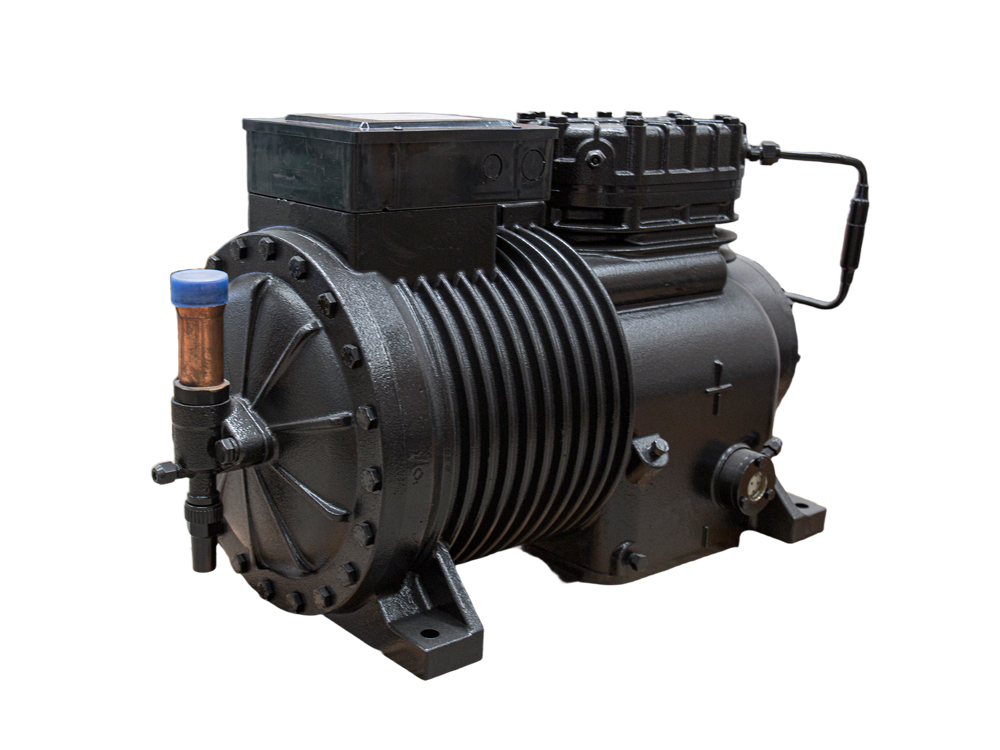
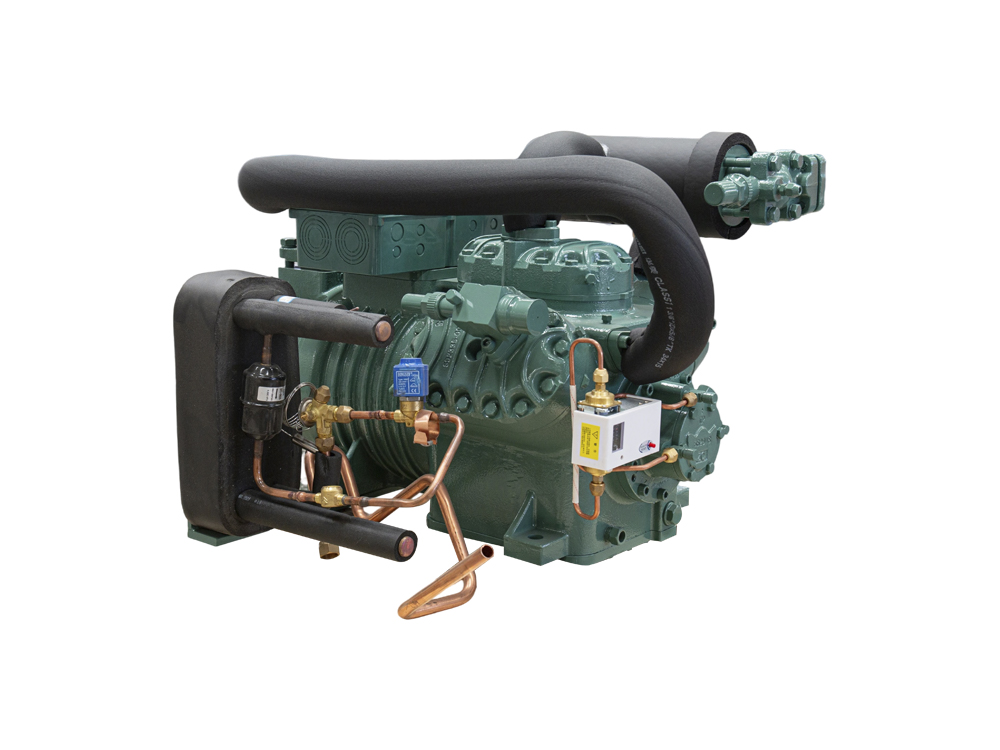
| Compressor | Compresses refrigerant for circulation | Overheating, electrical failure |
| Condenser Coil | Releases heat outdoors | Dirt buildup, corrosion |
| Fan Motor | Moves air across coil | Bearing wear, motor burnout |
| Capacitor | Starts fan and compressor | Weak startup performance |
| Contactor | Controls electrical flow | Pitted contacts, failure |
| Refrigerant Lines | Transfers refrigerant | Leaks, insulation wear |
Because these parts involve electricity, pressurized refrigerant, and moving mechanical systems, repairs require caution.
Repairs That Are Usually Safe for DIY Handling
Some condensing unit maintenance tasks are relatively safe when power is fully disconnected and proper precautions are followed.
Cleaning the Condenser Coil
Dust, leaves, and debris reduce airflow and lower efficiency. Cleaning the coil with low-pressure water and soft brushing can restore heat transfer performance.
Important steps include:
- Shut off electrical power completely
- Remove surface debris carefully
- Wash gently without bending coil fins
- Allow full drying before restart
Routine cleaning improves airflow and reduces compressor strain.
Replacing a Dirty Air Filter
Although the filter is usually located indoors, replacing it reduces stress on the condensing unit by improving system airflow balance.
Clearing Surrounding Obstructions
Outdoor condensing units need open airflow space.
Remove:
- Overgrown plants
- Fallen leaves
- Loose debris
- Storage objects placed too close
Restricted airflow can cause overheating and higher energy consumption.
Straightening Bent Coil Fins
Minor fin damage can sometimes be corrected with a fin comb designed for HVAC systems.
This improves air passage and restores heat exchange efficiency.
Repairs That Should Not Be Attempted Without Training
While simple maintenance is manageable, technical repairs often require professional equipment and certification.
Electrical Component Replacement
Replacing contactors, capacitors, or wiring may appear simple, but stored electrical charge can cause serious shock hazards even after shutdown.
Incorrect installation may also damage the compressor.
Signs of electrical issues include:
- Clicking without startup
- Frequent breaker trips
- Fan not spinning
- Burning odors
These problems require accurate diagnosis before replacement.
Refrigerant Leak Repairs
A leaking condensing unit often shows:
- Reduced cooling output
- Ice formation
- Hissing sounds
- Long operating cycles
Repairing refrigerant systems requires:
- Leak detection tools
- Pressure gauges
- Recovery equipment
- Correct refrigerant charging procedures
Improper refrigerant handling can damage the compressor and may violate environmental regulations.
Compressor Repair
The compressor is the core of the condensing unit and one of the most complex HVAC components.
Compressor replacement requires:
| Requirement | Why It Matters |
|---|---|
| Refrigerant recovery | Prevents system contamination |
| Vacuum evacuation | Removes moisture and air |
| Brazing skill | Prevents future leaks |
| Correct electrical testing | Protects startup components |
| Precise refrigerant charge | Maintains efficiency |
Without specialized tools and technical knowledge, compressor work carries high failure risk.
Hidden Risks of DIY Condensing Unit Repair
Attempting advanced repair can create problems beyond the original fault.
Common risks include:
Personal Injury
Electrical shock, fan blade contact, and refrigerant exposure can cause serious harm.
Misdiagnosis
Symptoms often point to multiple possible failures. Replacing the wrong part wastes money and leaves the original issue unresolved.
System Damage
Improper repairs can damage expensive internal components such as compressors and control boards.
Reduced Efficiency
Even if the system starts working, incorrect calibration may lower cooling performance and raise operating costs.
When DIY Maintenance Makes Sense
DIY care is most appropriate for preventive maintenance rather than technical repair.
Safe owner-level maintenance includes:
- Coil cleaning
- Area clearing
- Visual inspection
- Filter replacement
- Listening for unusual sounds
- Checking airflow consistency
These actions help identify problems early and extend condensing unit service life.
When Professional Service Is the Safer Choice
Professional inspection is strongly recommended when:
- Cooling performance drops suddenly
- Circuit breakers trip repeatedly
- Ice forms on refrigerant lines
- Loud buzzing or grinding appears
- Compressor refuses to start
- Refrigerant leakage is suspected
Certified technicians use proper diagnostic tools to identify root causes and restore safe operation.
The Smart Approach to Condensing Unit Reliability
A condensing unit is engineered for durability, but like all mechanical systems, it requires correct care.
Simple cleaning and visual maintenance are usually safe for owners. Technical repairs involving electrical systems, refrigerant circuits, or compressor replacement should be handled by trained professionals.
Trying to save money through risky repairs often results in greater expense later. In most cases, preventive maintenance and expert servicing provide the safest and most cost-effective path to long-term HVAC performance.
FAQ
1. Can I repair my condensing unit myself?
You can safely handle basic maintenance like cleaning coils and clearing debris, but electrical and refrigerant repairs require professional expertise.
2. How do I know if my condensing unit is broken?
Common signs include weak cooling, unusual noises, repeated shutdowns, frozen lines, and failure to start.
3. Is it dangerous to touch a condensing unit?
It can be if power is connected. Always disconnect power before inspection or maintenance.
4. What is the most common condensing unit failure?
Dirty coils, failed capacitors, airflow blockage, and refrigerant leaks are among the most frequent issues.
5. How often should a condensing unit be serviced?
Professional inspection at least once a year helps maintain efficiency and prevents costly breakdowns.


 Contact Number:+86-18858565929
