

 English
 русский
 Español
Content
- 1 Understanding the Installation Process of Industrial Cold Room Coolers
- 2 Planning and Preparation
- 3 Selecting the Right Industrial Cold Room Cooler
- 4 Installation of the Cooling Unit
- 5 Setting Up the Control Systems
- 6 Testing and Commissioning
- 7 Post-Installation Maintenance and Troubleshooting
- 8 Frequently Asked Questions
Understanding the Installation Process of Industrial Cold Room Coolers
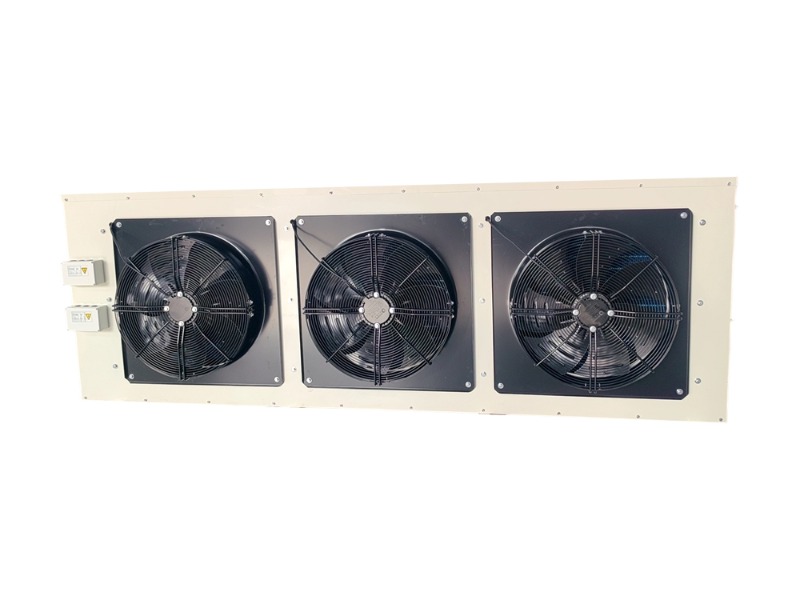
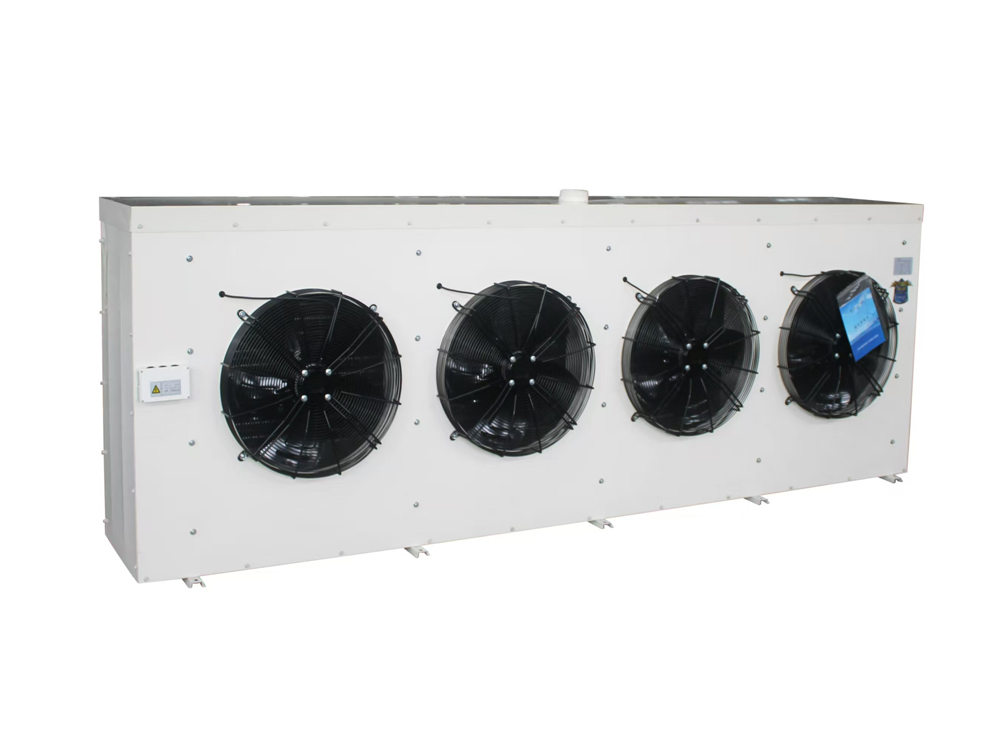
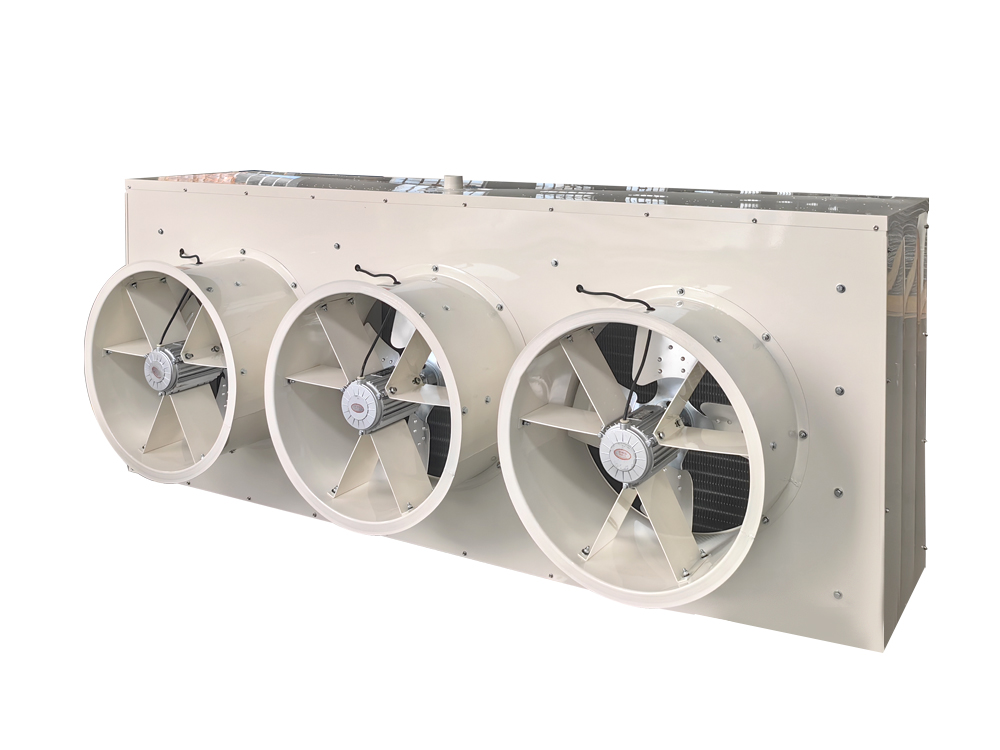
Industrial cold room coolers are integral components of refrigeration systems, widely used across industries such as food processing, pharmaceuticals, and logistics. They maintain temperatures necessary for preserving sensitive goods, preventing spoilage, and ensuring safety during storage. The installation process of industrial cold room coolers requires precision and expertise to ensure efficient operation and longevity of the cooling system.
Planning and Preparation
Before diving into the installation of an industrial cold room cooler, the first step is proper planning and preparation. This phase includes determining the size of the cold room, selecting the appropriate cooler based on the room’s dimensions and purpose, and ensuring that all necessary components are available. Proper planning minimizes the risk of errors and avoids costly adjustments later on.
Key Considerations:
- Room Size and Layout: The dimensions of the cold room will determine the size of the cooler. The layout should facilitate airflow and accessibility.
- Temperature Requirements: Understand the specific temperature range needed for the goods stored in the cold room. This will affect the type and capacity of the cooler.
- Power Supply: Ensure the facility has an adequate and reliable power source for the cooler.
Checklist:
| Task | Details |
|---|---|
| Room Dimensions | Measure accurately for correct unit size selection. |
| Power Supply | Verify voltage, current, and backup power if needed. |
| Cooling Capacity | Match cooler capacity to the room’s thermal load. |
| Temperature Control | Specify the required temperature range for the goods. |
Selecting the Right Industrial Cold Room Cooler
Choosing the right cooler for an industrial cold room is critical to ensuring energy efficiency and optimal cooling performance. The cooler must be capable of maintaining the required temperatures consistently while being energy-efficient to reduce operational costs.
Types of Coolers:
- Air-cooled Coolers: These are ideal for small to medium-sized cold rooms and offer easy installation with no need for external cooling towers.
- Water-cooled Coolers: Suitable for larger cold rooms, these systems require water circulation to enhance heat dissipation, making them more energy-efficient in the long term.
- Split Systems: These systems combine the benefits of air and water cooling, with components installed in different locations.
Factors to Consider:
- Cooling Capacity: The total heat load, including product type, insulation, and room activity, will determine the required cooling capacity.
- Energy Efficiency: Choose energy-efficient coolers to reduce operational costs. Look for systems with low energy consumption but high output.
- Durability and Maintenance: Select a cooler with components designed for long-term use and easy maintenance.
Installation of the Cooling Unit
Once the cooler has been selected, it is time for installation. The process requires careful handling to avoid damage to the unit and to ensure it operates efficiently.
Installation Steps:
- Positioning the Cooler: Install the cooler at the correct height and location to maximize airflow and minimize obstruction.
- Mounting the Unit: Secure the cooler to the ceiling or wall using appropriate mounting brackets. Ensure that it is level and stable to avoid vibration or noise.
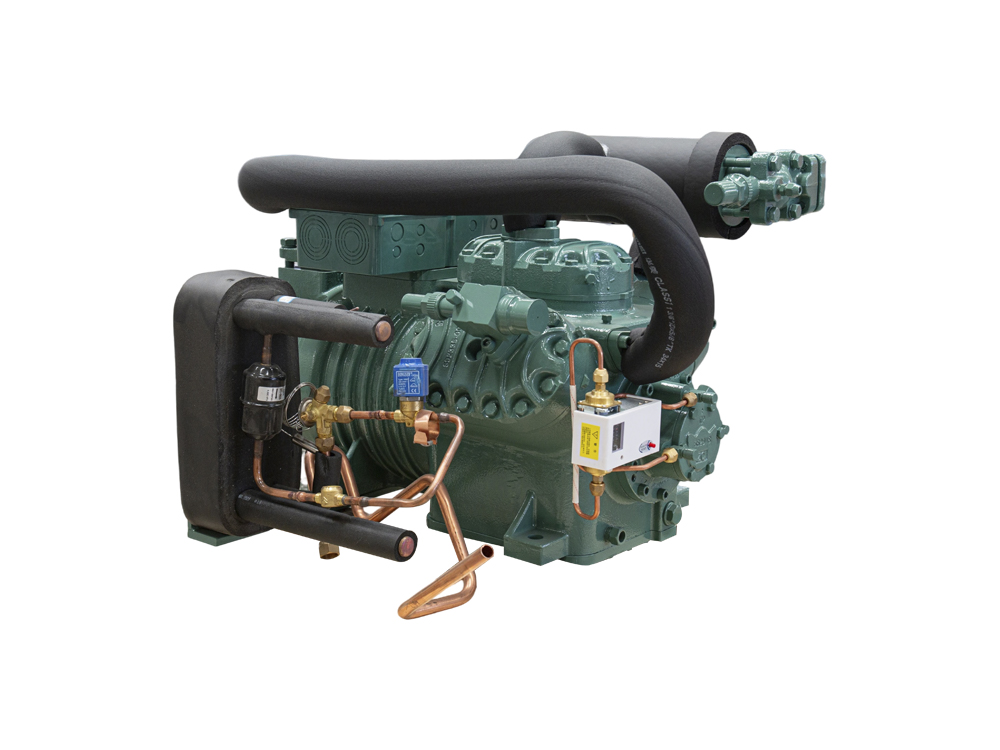
- Connecting the Refrigerant Lines: Refrigerant lines must be installed correctly to avoid leaks and ensure proper cooling performance. Qualified technicians should handle this step.
- Electrical Connections: Connect the cooler to the power supply, ensuring that wiring complies with local regulations.
Common Issues to Avoid:
- Incorrect placement of the cooler can lead to inefficient airflow.
- Overloading the cooler during the initial setup can strain the system and reduce its lifespan.
- Failure to properly connect refrigerant lines can result in leaks or poor cooling performance.
Setting Up the Control Systems
Most modern industrial cold room coolers come with sophisticated control systems that allow operators to monitor and adjust the temperature, humidity, and other settings remotely. Setting up the control system is a crucial part of ensuring the unit runs efficiently.
Key Control Features:
- Temperature Control: Set the desired temperature based on the specific needs of the cold room.
- Humidity Control: Some units offer humidity control features to prevent excess moisture that can affect the quality of stored goods.
- Remote Monitoring: Advanced units allow for remote monitoring via a smartphone or computer.
Best Practices:
- Regularly calibrate the control system to maintain accurate temperature readings.
- Implement alarms and notifications to alert operators of system failures or temperature fluctuations.
Testing and Commissioning
Once the cooler is installed, it must undergo a series of tests to ensure proper operation. This stage involves checking the functionality of the unit, validating temperature settings, and ensuring that all components are working correctly.
Steps in Testing:
- Cooling Performance Test: Verify that the cooler is maintaining the desired temperature range.
- Leak Test: Check refrigerant lines and seals for leaks.
- Electrical Check: Ensure that the power connections are secure and there are no issues with electrical components.
- Final Inspection: Perform a thorough inspection of the entire system to ensure it is ready for full-scale operation.
Final Checklist:
| Task | Details |
|---|---|
| Performance Testing | Test the cooler under full load conditions. |
| Refrigerant Leak Test | Inspect for leaks in refrigerant lines and components. |
| Electrical Safety Check | Inspect power connections and grounding. |
| Control System Calibration | Calibrate sensors and control systems for accuracy. |
Post-Installation Maintenance and Troubleshooting
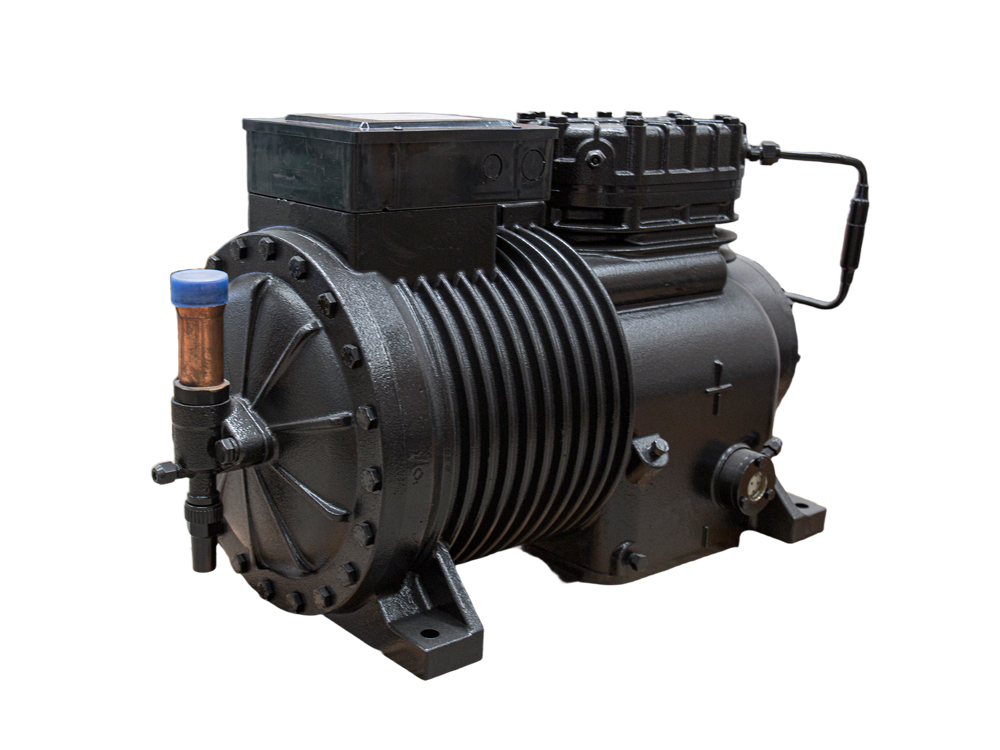
After installation, regular maintenance is necessary to ensure the cooler continues to operate efficiently. Maintenance tasks include checking the refrigerant level, cleaning condenser coils, and inspecting door seals. Periodic troubleshooting may also be required to address common issues like temperature fluctuations, refrigerant leaks, or compressor failure.
Common Maintenance Tasks:
- Condenser Coil Cleaning: Clean coils to remove dust, dirt, and grease buildup, which can affect cooling efficiency.
- Refrigerant Check: Ensure that refrigerant levels are within optimal ranges.
- Door Seal Inspection: Replace door seals to maintain insulation and avoid temperature loss.
Frequently Asked Questions
1. What is the ideal temperature range for an industrial cold room?
The ideal temperature depends on the type of goods being stored. For example, perishable food items typically require temperatures between 0°C and 5°C, while frozen goods need temperatures below -18°C.
2. How do I choose the right industrial cold room cooler?
Consider factors like room size, cooling capacity, energy efficiency, and the type of items you need to store. Always select a cooler that matches your specific needs.
3. Can I install the cooler myself, or do I need professional help?
While small systems may be suitable for DIY installation, larger systems should always be installed by professionals to ensure safety and efficiency.
4. How often should I perform maintenance on my industrial cold room cooler?
Regular maintenance should be performed every 6 to 12 months, depending on usage. More frequent checks may be necessary for high-traffic cold rooms.
5. What should I do if my cooler is not maintaining the correct temperature?
First, check for common issues like dirty condenser coils, faulty door seals, or low refrigerant levels. If the problem persists, contact a technician for further troubleshooting.


 Contact Number:+86-18858565929
