

 English
 русский
 Español
Content
Introduction
In modern food storage and processing facilities, maintaining optimal temperature and humidity is critical to ensuring the freshness, quality, and safety of stored products. One solution that has revolutionized storage efficiency is the industrial cold room cooler. Designed for large-scale refrigeration applications, this equipment allows food storage facilities to achieve precise temperature control, reduce spoilage, and enhance operational efficiency.
Understanding Industrial Cold Room Coolers
An industrial cold room cooler is a large refrigeration system designed for temperature-sensitive storage environments. Unlike conventional refrigeration units, these coolers are specifically engineered for industrial-scale applications, such as warehouses, food processing facilities, and distribution centers.
Key components of an industrial cold room cooler typically include:
| Component | Function |
|---|---|
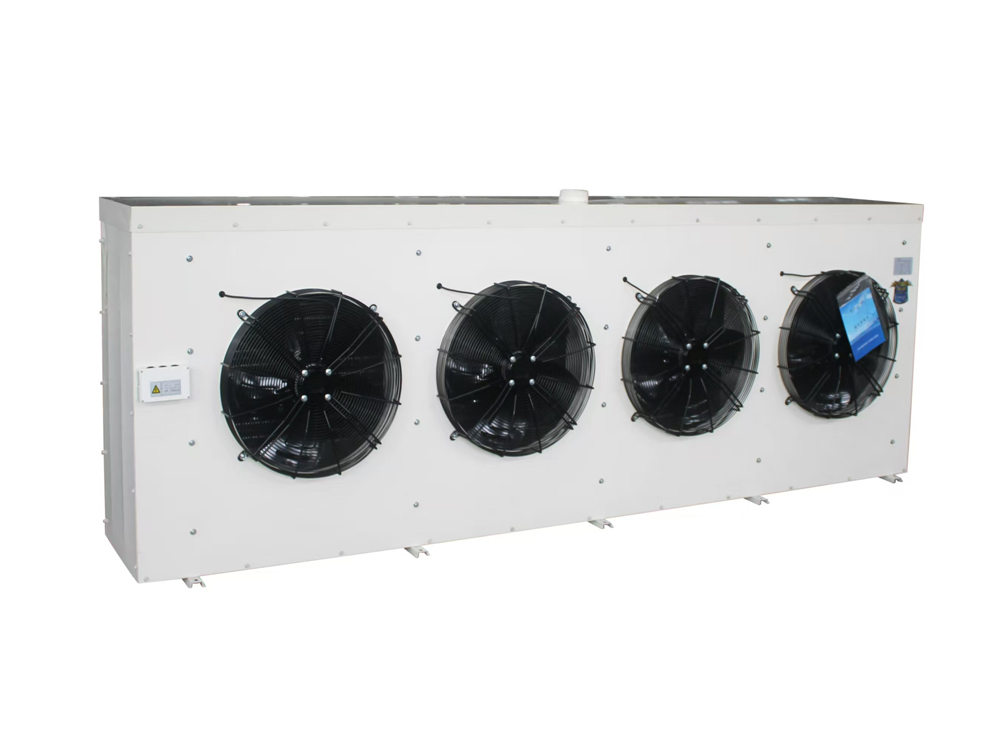
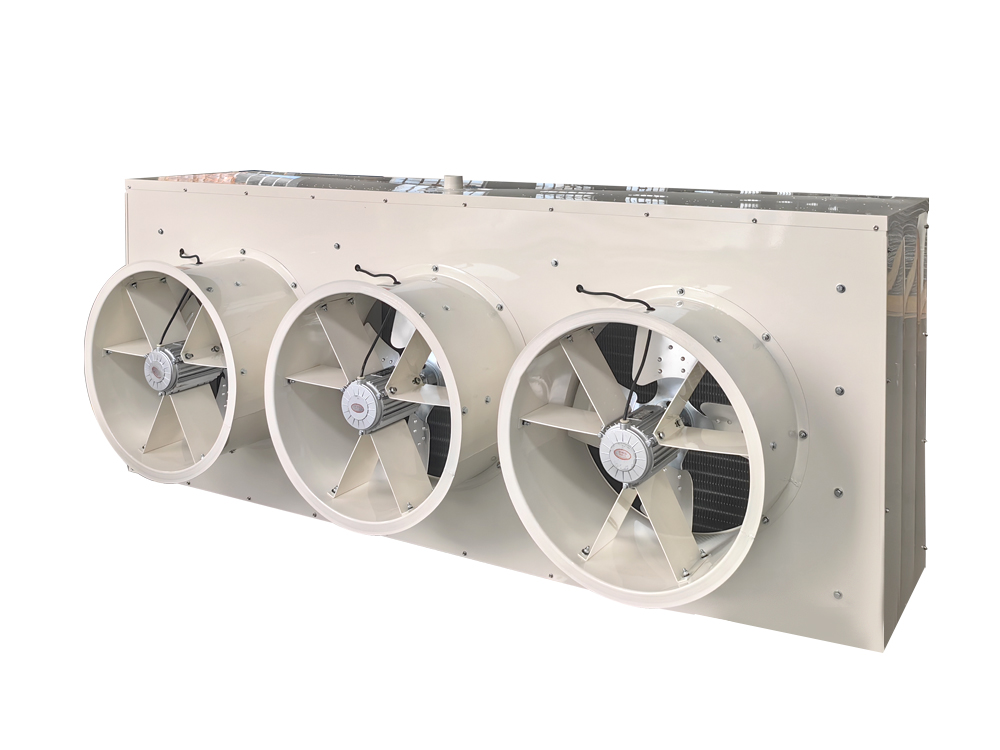
| Evaporator Coil | Absorbs heat from the storage space to maintain low temperatures |
| Condenser Unit | Releases absorbed heat into the environment efficiently |
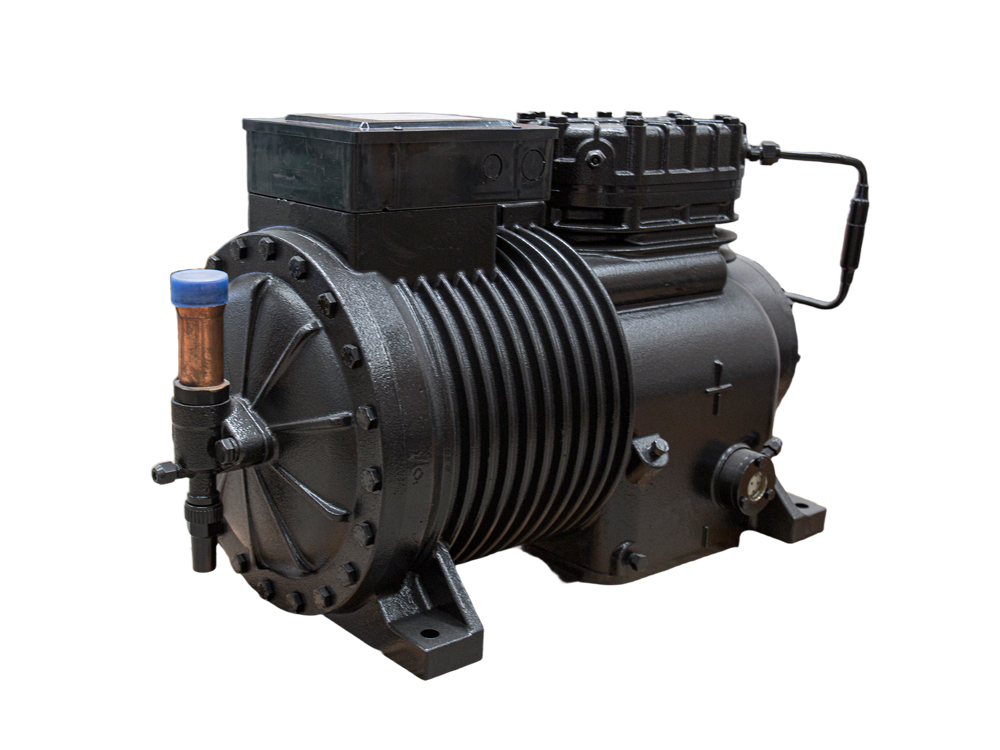
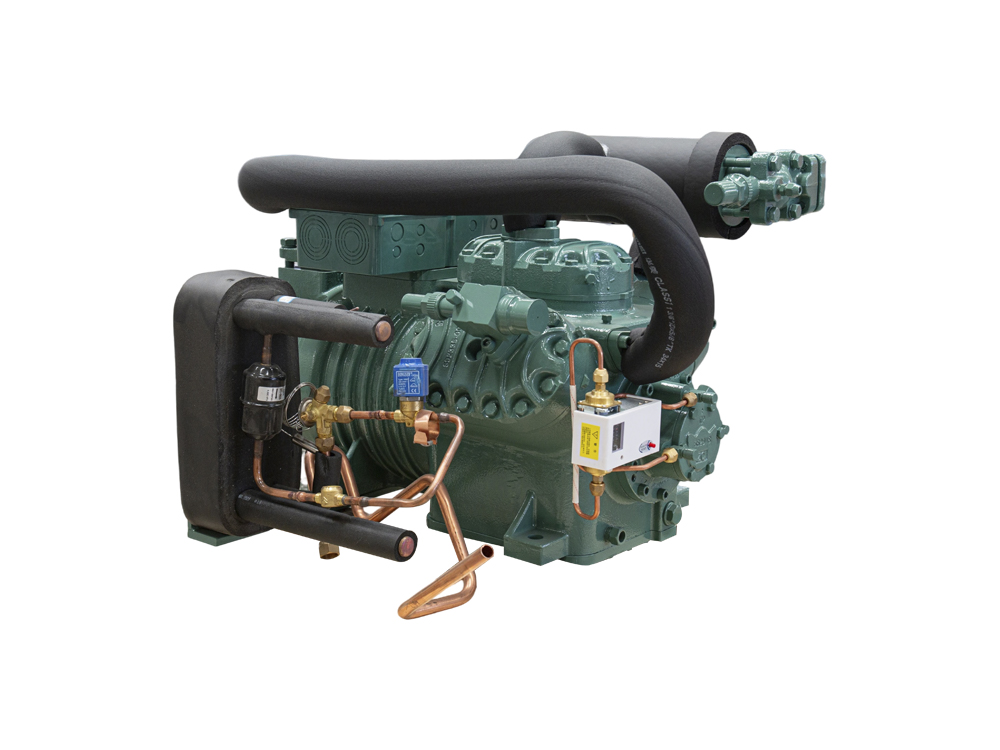
| Compressor | Circulates refrigerant to enable heat transfer |
| Air Circulation Fans | Ensure even temperature distribution throughout the cold room |
| Control Panel | Monitors and regulates temperature, humidity, and system performance |
High-performance cold room coolers are designed to operate reliably under continuous use, providing consistent temperatures across large storage volumes.
Enhancing Storage Efficiency
Industrial cold room coolers improve food storage efficiency in several ways:
Precise Temperature Control
Maintaining an exact temperature range is critical for preserving perishable products, including fruits, vegetables, dairy, meat, and seafood. Industrial cold room coolers provide accurate temperature management, often adjustable to the needs of specific food types. Precise control minimizes spoilage and extends shelf life.
Uniform Cooling Distribution
Airflow management is a crucial feature of industrial cold room coolers. Uniform distribution of cold air prevents hot spots or uneven cooling, ensuring that all products are stored under consistent conditions. This reduces the risk of localized spoilage and maintains product quality.
Energy Efficiency
Modern industrial cold room coolers are optimized for energy efficiency. High-efficiency compressors, advanced insulation, and variable-speed fans contribute to reduced electricity consumption. This not only lowers operating costs but also supports environmentally sustainable operations.
| Feature | Benefit |
|---|---|
| High-Efficiency Compressor | Reduces energy consumption while maintaining optimal temperatures |
| Advanced Insulation Panels | Minimizes heat transfer, maintaining consistent internal temperatures |
| Variable-Speed Fans | Adjust cooling output based on load, saving energy during low-demand periods |
Humidity Control
Some industrial cold room coolers include integrated humidity control systems. Proper humidity levels prevent dehydration of fresh produce, maintain texture and appearance, and reduce microbial growth, which is essential for food safety and longevity.
Reduced Manual Handling
Automated temperature and airflow control systems in industrial cold room coolers reduce the need for constant manual intervention. This minimizes human error, increases operational efficiency, and allows staff to focus on other critical storage and logistics tasks.
Types of Industrial Cold Room Coolers
Industrial cold room coolers are available in different configurations depending on storage requirements:
| Type | Application | Advantages |
|---|---|---|
| Ceiling-Mounted Evaporator Coolers | Medium to large storage rooms | Saves floor space, ensures even airflow |
| Walk-In Cold Room Units | Smaller storage areas | Easy installation, flexible operation |
| Blast Freezing Coolers | Rapid cooling of perishable products | Preserves quality immediately after processing |
| Modular Cold Room Units | Expandable storage needs | Customizable size and capacity |
Choosing the appropriate type is essential for optimizing food storage efficiency while minimizing energy consumption.
Maintenance and Operational Considerations
Proper maintenance is key to ensuring the longevity and performance of industrial cold room coolers. Some important practices include:
- Regular Cleaning: Evaporator coils, condenser units, and fans should be cleaned periodically to prevent dirt accumulation, which can reduce efficiency.
- Monitoring Refrigerant Levels: Adequate refrigerant ensures consistent cooling performance. Low levels may lead to increased energy consumption and system wear.
- Inspecting Insulation: Damaged insulation can compromise cooling efficiency and increase energy usage.
- System Diagnostics: Integrated control panels often provide alerts for abnormal conditions, helping prevent costly downtime.
By adhering to these maintenance practices, facilities can sustain high efficiency, reduce spoilage, and extend equipment lifespan.
Impact on Food Storage Efficiency
The cumulative effect of precise temperature control, uniform airflow, energy-efficient operation, and humidity management significantly enhances food storage efficiency. Facilities using industrial cold room coolers often experience:
- Reduced product wastage
- Lower energy costs
- Extended shelf life of perishable items
- Streamlined workflow and storage operations
- Consistent product quality for distribution
These benefits make industrial cold room coolers an essential component in modern food storage and logistics facilities.
Key Advantages Summary
| Advantage | Description |
|---|---|
| Extended Shelf Life | Accurate temperature and humidity control slow food deterioration |
| Energy Savings | High-efficiency components reduce operating costs |
| Improved Food Safety | Consistent storage conditions minimize microbial growth |
| Operational Efficiency | Automation reduces manual monitoring and labor costs |
| Scalability | Modular and flexible designs accommodate changing storage needs |
Conclusion
Industrial cold room coolers play a pivotal role in modern food storage, offering precise temperature control, energy efficiency, uniform airflow, and effective humidity management. By optimizing these parameters, food storage facilities can significantly reduce spoilage, improve product quality, and streamline operations. Investment in a high-performance industrial cold room cooler is therefore an essential step toward maximizing storage efficiency and ensuring food safety.
FAQ
Q1: What types of products are best stored in an industrial cold room cooler?
A: Industrial cold room coolers are suitable for perishable foods, including fruits, vegetables, meat, dairy products, seafood, and prepared foods that require precise temperature control.
Q2: How often should industrial cold room coolers be maintained?
A: Maintenance frequency depends on usage, but a general guideline is monthly inspection of key components, quarterly coil and fan cleaning, and annual professional servicing for refrigerant levels and system diagnostics.
Q3: Can industrial cold room coolers help reduce energy costs?
A: Yes. Modern units are designed for energy efficiency with features such as high-efficiency compressors, variable-speed fans, and advanced insulation, which reduce electricity consumption while maintaining optimal storage conditions.
Q4: Are industrial cold room coolers scalable for expanding storage needs?
A: Yes. Modular and flexible designs allow facilities to expand storage capacity as needed, accommodating growth without compromising efficiency.
Q5: How does humidity control benefit food storage in a cold room?
A: Proper humidity control prevents dehydration of products, maintains texture, reduces microbial growth, and extends shelf life, particularly for fresh produce and delicate perishable items.


 Contact Number:+86-18858565929
