

 English
 русский
 Español
Content
In modern refrigeration and industrial cooling systems, maintaining consistent temperature control is crucial for preserving products and ensuring operational efficiency. Among the advanced technologies that have emerged, the electric defrosting air cooler has gained considerable attention. This device combines effective cooling with automated defrosting, reducing downtime and maintenance costs while optimizing performance.
Overview of Electric Defrosting Air Coolers
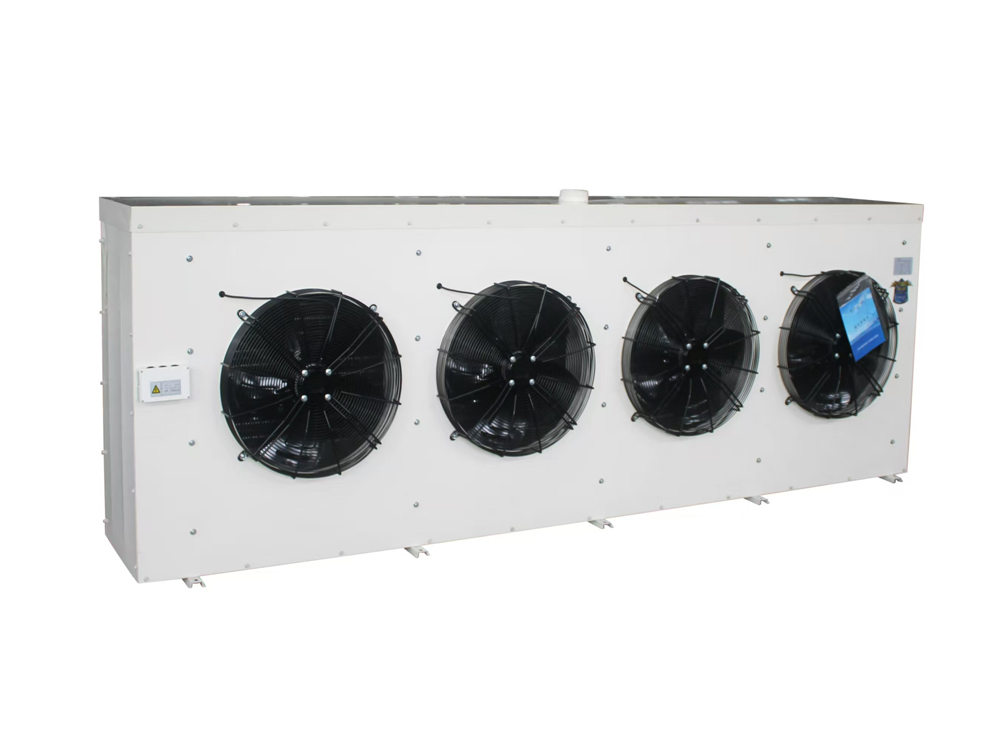
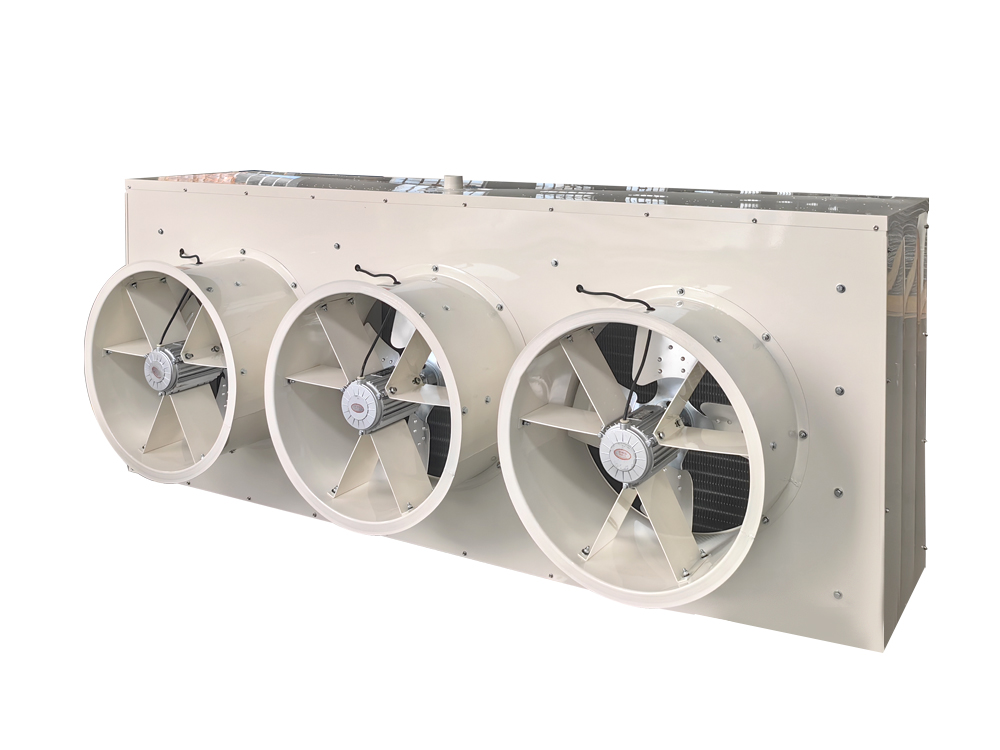
An electric defrosting air cooler is a specialized cooling unit designed to regulate air temperature in commercial and industrial refrigeration environments. Unlike conventional air coolers, it incorporates an electric heating mechanism that periodically melts frost or ice accumulation on the cooling coil. Frost buildup can significantly impair heat transfer efficiency, leading to higher energy consumption and inconsistent cooling. By employing electric defrosting, these systems maintain optimal performance with minimal manual intervention.
Electric defrosting air coolers are typically found in cold storage facilities, food processing plants, pharmaceutical storage, and other environments requiring precise temperature control. The automation of defrost cycles reduces labor requirements and prevents potential damage to temperature-sensitive goods.
Key Features of Electric Defrosting Air Coolers
- Automatic Defrosting: Utilizes electric heaters to melt ice, ensuring the cooling coil remains efficient.
- Energy Efficiency: Reduces energy waste associated with frost accumulation.
- Durability: Constructed from materials resistant to corrosion and moisture, extending operational lifespan.
- Flexible Installation: Can be integrated into various refrigeration systems, from small walk-in coolers to large industrial warehouses.
- Temperature Stability: Maintains consistent air temperature, critical for sensitive products.
Working Principle
The working principle of an electric defrosting air cooler involves two main processes: cooling and defrosting. During normal operation, the evaporator coil absorbs heat from the surrounding air, lowering the temperature in the storage environment. Over time, moisture in the air condenses and freezes on the coil surface. This ice layer acts as an insulating barrier, reducing heat transfer efficiency.
To counter this, the electric defrosting system activates heating elements embedded within or around the evaporator coil. The electric heater raises the temperature of the coil just enough to melt accumulated frost. The resulting water is collected and drained away safely. Once the defrost cycle is complete, the cooler resumes normal operation automatically.
The timing and frequency of defrost cycles are carefully controlled by sensors and timers to balance energy use and cooling efficiency. This automation ensures continuous operation without manual intervention, making electric defrosting air coolers particularly suitable for high-demand environments.
Components of an Electric Defrosting Air Cooler
| Component | Function |
|---|---|
| Evaporator Coil | Absorbs heat from the air to lower the temperature |
| Electric Heating Elements | Melt frost accumulation on the coil |
| Fan and Motor | Circulate air across the evaporator to ensure even cooling |
| Defrost Timer/Sensor | Controls the frequency and duration of defrost cycles |
| Drain Pan | Collects melted water and channels it safely out of the system |
| Control Panel | Allows operators to set defrost schedules and monitor system performance |
Advantages over Traditional Air Coolers
Compared to traditional air coolers, electric defrosting air coolers offer significant operational benefits:
- Reduced Downtime: Traditional systems often require manual defrosting, causing interruptions in cooling. Electric defrosting air coolers minimize downtime.
- Consistent Temperature: Frost accumulation in conventional units can lead to uneven cooling; electric defrosting ensures uniform temperature control.
- Lower Maintenance Costs: Automated defrosting reduces the need for manual labor and lowers the risk of component damage due to frost buildup.
- Energy Savings: By maintaining optimal heat exchange, the system operates more efficiently, reducing overall energy consumption.
The combination of these advantages makes electric defrosting air coolers an attractive choice for facilities where maintaining precise temperatures is critical.
Applications
Electric defrosting air coolers are versatile and applicable across multiple industries. Some of the most common applications include:
- Cold Storage Facilities: Essential for food preservation, these coolers prevent ice buildup while maintaining stable temperatures.
- Pharmaceutical Storage: Ensures that sensitive medications and vaccines are stored under controlled conditions.
- Food Processing Plants: Maintains hygiene and product quality by regulating temperature during processing and storage.
- Supermarkets and Retail: Used in walk-in freezers and display cases to ensure products remain fresh.
Performance Comparison Table
| Application | Requirement | Benefit of Electric Defrosting Air Cooler |
|---|---|---|
| Cold Storage | Continuous cooling | Minimizes frost-related downtime |
| Pharmaceutical Storage | Precise temperature control | Protects sensitive materials |
| Food Processing | High air circulation and hygiene | Maintains consistent cooling while reducing labor |
| Retail Walk-in Freezers | Frequent door openings | Automatic defrost ensures consistent product quality |
Considerations for Selection
When choosing an electric defrosting air cooler, several factors should be considered:
- Cooling Capacity: Must match the volume and heat load of the space.
- Defrost Method: Electric defrosting is ideal for frequent frost conditions, but alternatives like hot gas or water defrosting exist.
- Energy Efficiency: Look for models designed to minimize electricity consumption during both cooling and defrost cycles.
- Durability and Material: Components should resist corrosion and wear from moisture.
- Maintenance Requirements: Automated systems reduce labor, but regular inspections are still necessary to ensure optimal operation.
Electric defrosting air cooler manufacturers often provide guidance on selecting models appropriate for specific applications, helping businesses optimize performance while controlling costs.
Conclusion
Electric defrosting air coolers represent a critical evolution in cooling technology. By combining precise temperature control, automated defrosting, and energy efficiency, these units enhance operational reliability across a wide range of industries. For facilities seeking consistent cooling performance with minimal maintenance, investing in a high-quality electric defrosting air cooler is a strategic choice.
FAQ
Q1: How often does an electric defrosting air cooler need to run a defrost cycle?
A1: The frequency depends on environmental conditions, such as humidity and temperature, but automated timers and sensors typically adjust cycles to prevent excessive frost buildup.
Q2: Can electric defrosting air coolers be used in both refrigeration and freezing applications?
A2: Yes, these coolers are versatile and can be adapted for both chilled and frozen storage environments.
Q3: Are electric defrosting air coolers energy-efficient?
A3: Yes, by preventing frost accumulation and maintaining efficient heat exchange, these systems optimize energy consumption compared to conventional air coolers.
Q4: What maintenance is required for an electric defrosting air cooler?
A4: Regular inspection of fans, coils, and drainage systems is recommended, though automated defrosting reduces manual labor.
Q5: How do electric defrosting air cooler manufacturers ensure product reliability?
A5: They focus on high-quality materials, rigorous testing, and compliance with industry standards to guarantee performance and durability.


 Contact Number:+86-18858565929
