

 English
 русский
 Español
Introduction
Electric defrosting air coolers are vital for various industries requiring effective cooling solutions, especially in spaces with high humidity or freezing conditions. These coolers prevent the accumulation of frost and ice, ensuring consistent operation. However, like any mechanical system, electric defrosting air coolers can encounter issues that hinder their performance.
Overview of Electric Defrosting Air Coolers
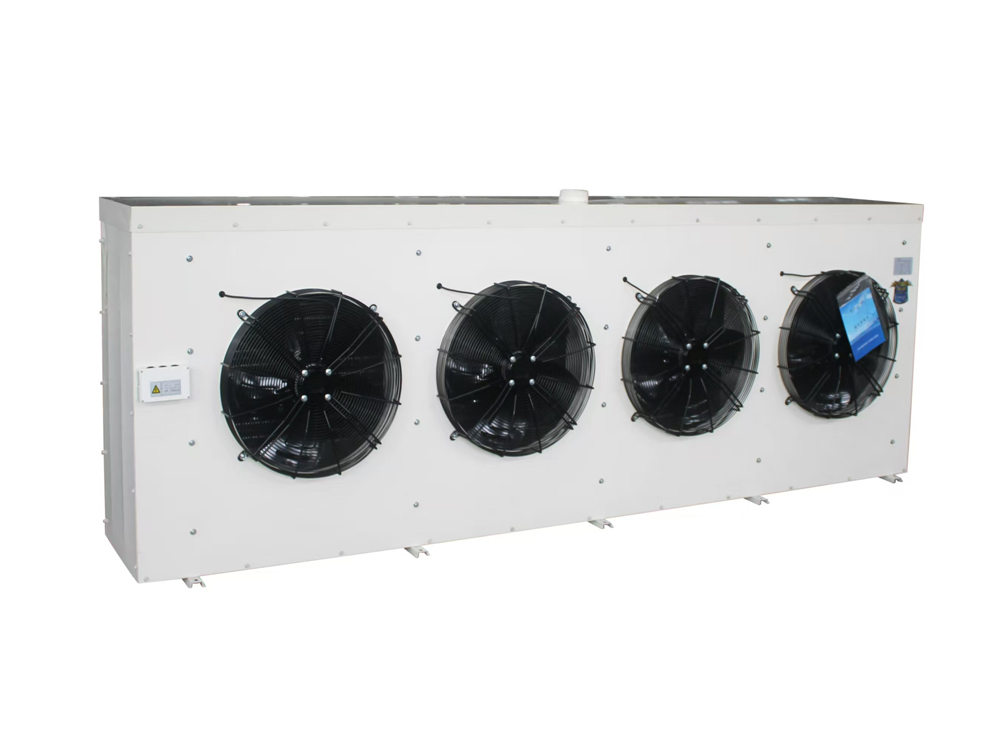
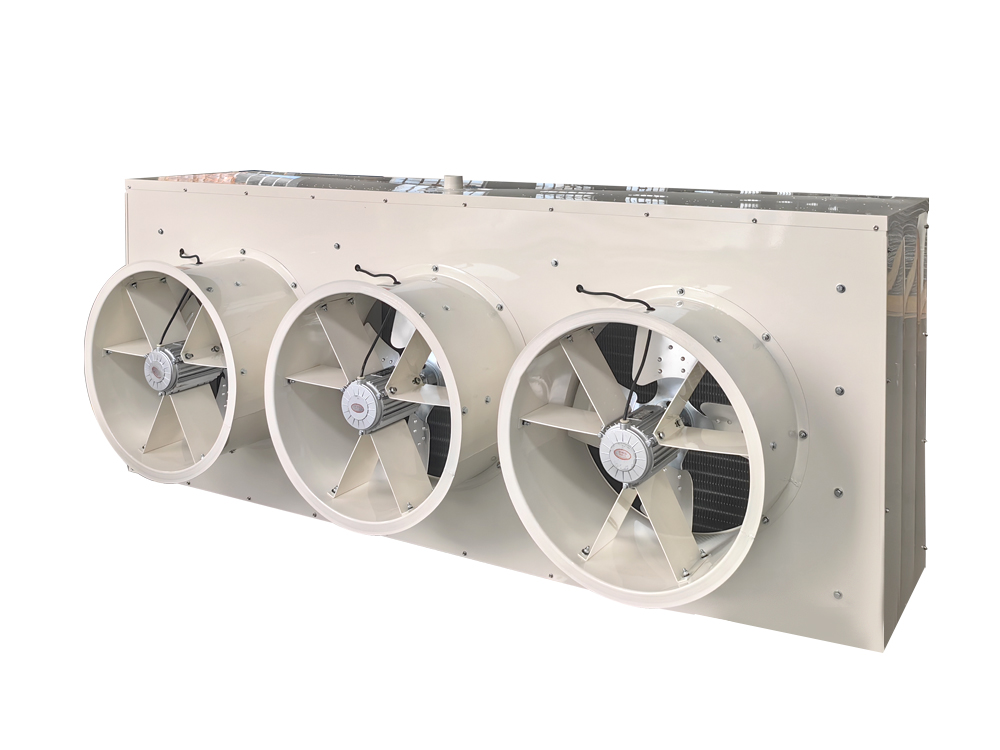
Electric defrosting air coolers are designed to regulate the temperature in environments prone to frost build-up. These coolers incorporate defrost mechanisms, preventing the accumulation of ice on cooling coils, ensuring better performance, and reducing downtime.
- How they work: The cooler uses a defrosting cycle powered by electricity to melt the frost. This cycle helps maintain airflow and energy efficiency.
- Industries that use them: Warehouses, supermarkets, cold storage facilities, and more.
Common Issues in Electric Defrosting Air Coolers
a. Insufficient Cooling
Cause:
- The air cooler may not be cooling efficiently if the defrosting cycle isn’t working properly.
- Inadequate refrigerant levels or a blocked airflow system can also contribute to reduced performance.
Solution:
- Check the defrosting cycle and inspect for any malfunctions in the electric defrosting system.
- Ensure the cooler is properly cleaned and that airflow is unobstructed.
- Examine refrigerant levels and recharge if necessary.
b. Frequent Defrosting Cycles
Cause:
- A malfunctioning temperature sensor can trigger unnecessary defrost cycles.
- A build-up of dirt or debris on the coils can cause irregular defrosting cycles.
Solution:
- Inspect the temperature sensor and replace if faulty.
- Clean the cooling coils regularly to ensure efficient operation.
c. Electric Component Failures
Cause:
- Electrical components such as the defrost heater, fan motor, or thermostat can wear out over time.
- Power surges or fluctuations may damage components.
Solution:
- Inspect all electrical components for wear or damage.
- Replace faulty parts with high-quality components from trusted manufacturers.
d. Water Leakage or Ice Formation
Cause:
- Improper defrosting or condensation drainage can cause water to leak inside the cooler.
- Ice formation due to an inefficient defrost cycle or dirty coils can disrupt airflow.
Solution:
- Ensure the drainage system is not blocked.
- Check for clogged defrost drains and clear them.
- Regularly clean the coils and ensure the defrost cycle is properly timed.
e. Noise Issues
Cause:
- A malfunctioning fan motor or compressor can lead to excessive noise during operation.
- Loose or damaged parts may also cause rattling or banging sounds.
Solution:
- Inspect the fan and compressor for wear.
- Tighten loose parts and replace damaged components.
Preventive Maintenance for Electric Defrosting Air Coolers
Preventive maintenance plays a crucial role in extending the lifespan and optimizing the performance of electric defrosting air coolers.
a. Regular Cleaning
- Clean the evaporator and condenser coils.
- Ensure there is no debris clogging the air intake or exhaust.
b. Monitoring Defrost Cycles
- Regularly check the defrosting intervals and system performance.
- Adjust defrost timing if needed to maintain energy efficiency.
c. Check for Refrigerant Leaks
- Have a professional check the system for leaks periodically.
- Maintain adequate refrigerant levels to ensure efficient cooling.
Selecting the Right Electric Defrosting Air Cooler
When choosing an electric defrosting air cooler, consider the following factors to avoid future issues:
- Capacity and Size: Ensure the cooler is adequate for your space.
- Energy Efficiency: Choose energy-efficient models to reduce operational costs.
- Maintenance Requirements: Opt for models that are easy to maintain and clean.
Troubleshooting Chart for Common Issues in Electric Defrosting Air Coolers
| Problem | Cause | Solution |
|---|---|---|
| Insufficient Cooling | Low refrigerant or obstructed airflow | Clean the system, check refrigerant levels |
| Frequent Defrosting | Faulty temperature sensor or clogged coils | Replace the sensor, clean the coils |
| Electric Component Failure | Wear or damage to electrical components | Inspect and replace faulty components |
| Water Leakage or Ice | Clogged drainage or faulty defrost cycle | Clear drainage, inspect defrost system |
| Excessive Noise | Damaged fan motor or loose parts | Tighten loose components, replace motor |
FAQ
1. What is the purpose of the electric defrosting feature in air coolers?
The electric defrosting feature helps prevent frost and ice build-up on cooling coils, ensuring consistent airflow and energy efficiency.
2. How often should I clean my electric defrosting air cooler?
It’s recommended to clean your cooler every 3-6 months or more frequently depending on usage and environmental conditions.
3. What should I do if the electric defrosting air cooler is making noise?
Inspect the fan motor and check for loose or damaged parts. If the noise persists, consult a technician for repairs.
4. How can I extend the lifespan of my electric defrosting air cooler?
Regular maintenance, such as cleaning, checking refrigerant levels, and inspecting the defrosting system, can significantly extend the cooler’s lifespan.
5. Can I troubleshoot the electric defrosting air cooler myself?
Yes, basic troubleshooting such as cleaning and inspecting the system can be done yourself. However, complex issues should be addressed by professionals to avoid further damage.
Conclusion
Electric defrosting air coolers play an essential role in maintaining consistent cooling and preventing frost accumulation in various industrial and commercial settings. By understanding the common issues they face and knowing how to troubleshoot and maintain them, users can ensure long-term reliability and efficiency. Proper maintenance and timely repairs will help mitigate costly breakdowns and extend the lifespan of the equipment.


 Contact Number:+86-18858565929
