

 English
 русский
 Español
Content
- 1 Understanding Cold Room Evaporators in Food Storage
- 2 How Cold Room Evaporators Function
- 3 Types of Cold Room Evaporators and Their Applications
- 4 Factors Affecting Evaporator Efficiency and Performance
- 5 Selecting the Right Cold Room Evaporator for Your Facility
- 6 Maintenance Practices That Maximize System Reliability
- 7 Energy Efficiency and Cost Reduction Strategies
- 8 Common Issues and Troubleshooting Approaches
- 9 Emerging Technologies in Cold Room Refrigeration
- 10 Frequently Asked Questions About Cold Room Evaporators
- 10.0.1 Q1: How often should cold room evaporators be serviced?
- 10.0.2 Q2: What temperature differential between supply and return air indicates proper evaporator function?
- 10.0.3 Q3: Can existing facilities retrofit newer evaporator units into older refrigeration systems?
- 10.0.4 Q4: How does humidity control integrate with evaporator selection?
- 10.0.5 Q5: What causes frost accumulation on evaporator coils and how is it managed?
- 10.0.6 Q6: What are the differences between air cooler and direct expansion evaporator designs?
- 10.0.7 Q7: How do variable capacity evaporators improve system performance?
- 10.0.8 Q8: What are typical energy consumption levels for commercial cold room systems?
Understanding Cold Room Evaporators in Food Storage
The backbone of modern food storage facilities relies on sophisticated refrigeration systems, with cold room evaporators serving as the critical component that removes heat from storage spaces. These units work tirelessly to maintain precise temperature ranges essential for preserving food quality, safety, and nutritional value. Whether managing produce, meat, dairy, or frozen goods, the efficiency of your evaporator system directly impacts operational costs and product longevity.
Food storage environments demand more than simple cooling. They require precise climate control that maintains consistent temperatures while managing humidity levels, air circulation, and temperature stratification. The evaporator is where the actual heat exchange occurs, transforming refrigerant from liquid to gas and absorbing thermal energy from the storage space. Understanding how these systems function and selecting the right unit for your facility represents a fundamental investment in food safety and business efficiency.
How Cold Room Evaporators Function
The Heat Exchange Process
Cold room evaporators operate on a thermodynamic cycle where low-pressure refrigerant passes through tubes or coils in direct contact with the air in the storage space. As warm air from the room circulates across these cold tubes, heat energy transfers from the air to the refrigerant, causing the refrigerant to evaporate. This phase change absorbs significant thermal energy, which is the primary mechanism for cooling the storage environment.
The evaporated refrigerant gas then travels back to the compressor through the return line, where it undergoes pressurization and condensation before cycling back to the evaporator. This continuous cycle maintains temperature stability, with the refrigerant acting as the medium that shuttles heat from inside the storage room to the outside environment through the condenser unit.
Component Breakdown
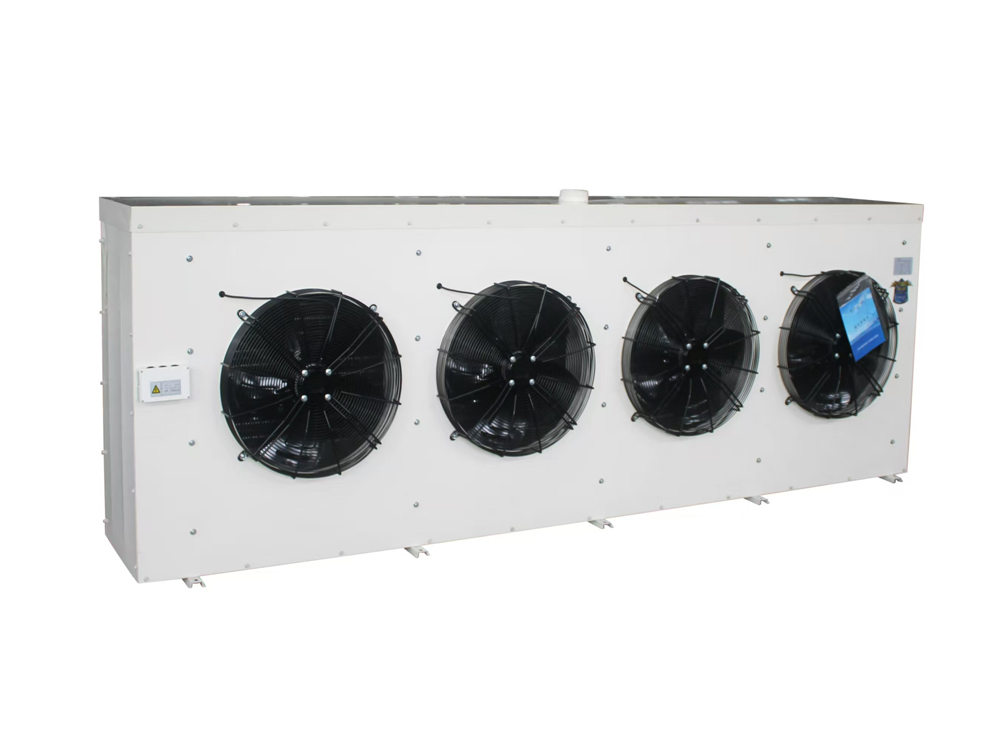
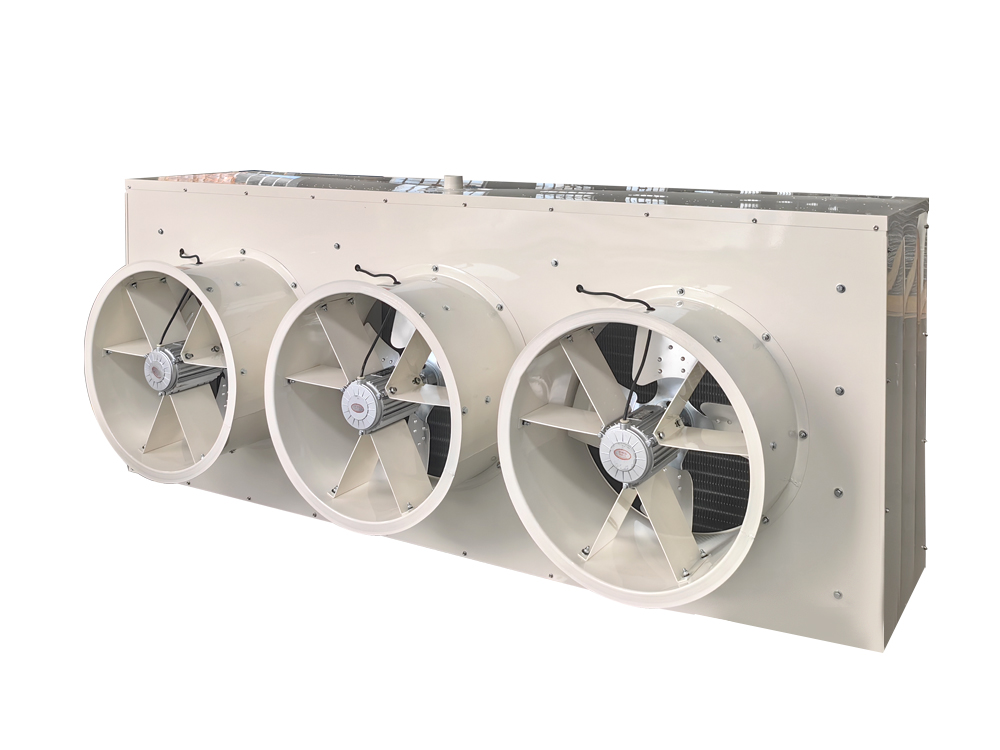
- Evaporator Coils: Metal tubing where heat exchange occurs; typically aluminum or copper construction for superior thermal conductivity
- Fin Assembly: Extended metal fins increase surface area for more efficient air-to-refrigerant contact
- Air Circulation Fan: Powerful motor-driven fan forces room air across the coil surfaces, enhancing heat transfer rates
- Expansion Device: Controls refrigerant flow into the evaporator coils, maintaining optimal pressure and temperature conditions
- Thermostat Control: Monitors room temperature and regulates compressor operation to maintain setpoint temperatures
- Defrost System: Periodically reverses refrigerant flow or applies heat to prevent ice buildup on coil surfaces
Types of Cold Room Evaporators and Their Applications
Medium Temperature Cold Room Applications
Medium temperature cold storage evaporators maintain temperatures between 2 degrees Celsius and 8 degrees Celsius, making them ideal for refrigerated storage of fresh produce, dairy products, and prepared foods. These units balance energy efficiency with the rapid cooling required for maintaining food freshness. The design prioritizes consistent air distribution to prevent temperature variations that could compromise product quality across different storage zones.
In produce storage facilities, medium temperature systems prevent premature ripening and microbial growth while maintaining the structural integrity and nutritional profile of vegetables and fruits. The ability to control humidity levels becomes equally important, as excessive moisture can promote mold growth while insufficient moisture leads to product dehydration and weight loss.
Low Temperature Freezing Operations
Low temperature cold room systems operate at minus 18 degrees Celsius or below, providing long-term frozen storage for meat, fish, ice cream, and frozen vegetables. These industrial cold room evaporators must withstand extended operation under extreme conditions while managing the increased defrost requirements associated with heavy ice buildup.
The engineering of low temperature units differs substantially from medium temperature designs. Larger evaporator surface areas compensate for reduced heat transfer efficiency at very low temperatures. Enhanced defrost cycles prevent coil icing that would restrict airflow and reduce system capacity. Most commercial operations employ hot gas defrost systems that periodically redirect compressed refrigerant gas through the evaporator coils to melt accumulated ice.
Ultra-Low Temperature Specialization
Facilities requiring minus 40 degree operation for specialized food products employ ultra-low temperature evaporators with robust construction and powerful components. These systems are less common but essential for certain applications including blast freezing operations, long-term storage of premium products, and specialized food processing environments.
Factors Affecting Evaporator Efficiency and Performance
The efficiency of any cold room evaporator system depends on multiple interconnected variables. Understanding these factors enables facility managers to optimize performance and minimize energy consumption while maintaining food safety standards.
Coil Design and Construction
The physical design of evaporator coils directly impacts heat transfer efficiency. Modern coil designs employ enhanced fin patterns that increase surface area and promote turbulent airflow across the cooling surfaces. Material selection between aluminum and copper affects both initial cost and long-term reliability. Aluminum coils offer better thermal conductivity per unit weight, while copper coils provide superior corrosion resistance in certain environments.
Tube diameter and circuit design influence refrigerant velocity through the coil. Optimal velocity ranges from 1 to 4 meters per second depending on refrigerant type and operating conditions. Velocities outside this range reduce heat transfer efficiency and can lead to liquid slugging or excessive pressure drop.
Air Circulation and Temperature Distribution
Powerful fan motors force room air across evaporator coils at controlled velocities, typically 2 to 3 meters per second. Proper air distribution prevents temperature stratification, where warmer air collects near the ceiling and cooler air settles near the floor. Uneven temperature distribution compromises food safety and creates dry zones that damage sensitive products.
Ductwork design and the strategic placement of supply and return grilles significantly influence overall performance. Facility layout, door openings, and internal storage configurations all affect air circulation patterns. High-quality systems incorporate adjustable dampers and multiple fan speeds to adapt to changing load conditions.
Defrost System Performance
In refrigerated environments, frost accumulation on evaporator coils is inevitable. Ice buildup restricts airflow and reduces heat transfer capacity. Defrost cycles must occur frequently enough to prevent performance degradation but not so frequently that energy consumption becomes excessive.
Most commercial systems employ timed, demand, or demand-adaptive defrost strategies. Timed defrost operates on a fixed schedule regardless of actual ice accumulation. Demand defrost measures pressure differential across coils to detect when ice has accumulated beyond acceptable levels. Demand-adaptive systems adjust defrost frequency based on actual operating conditions, offering superior efficiency.
Selecting the Right Cold Room Evaporator for Your Facility
Capacity Calculation and Load Assessment
Proper evaporator selection begins with accurate cooling load calculation. This includes heat infiltration from outside air when doors open, product heat load from newly introduced warm goods, internal equipment heat generation, and personnel activity. Undersizing results in inability to maintain setpoint temperatures, while oversizing wastes energy and creates humidity control challenges.
Load calculations consider facility size, insulation quality, door usage frequency, ambient conditions, and product rotation rates. Most commercial operations add a 20-30 percent safety margin to handle peak load scenarios and future expansion possibilities.
Temperature and Humidity Requirements
| Product Category | Optimal Temperature Range | Humidity Level |
|---|---|---|
| Fresh Produce | 2 to 8 degrees Celsius | 85-95 percent |
| Dairy Products | 2 to 5 degrees Celsius | 70-80 percent |
| Meat and Poultry | minus 2 to 2 degrees Celsius | 75-85 percent |
| Frozen Foods | minus 18 degrees Celsius or lower | 40-60 percent |
| Ice Cream | minus 20 to minus 15 degrees Celsius | 30-50 percent |
Space Constraints and Installation Requirements
Physical space availability determines evaporator type and mounting configuration. Ceiling-mounted units maximize floor space in storage areas, while wall-mounted models offer flexibility in facilities with limited overhead clearance. Floor-mounted units require dedicated space but simplify maintenance access for technicians.
Adequate clearance around the evaporator ensures proper airflow and facilitates regular maintenance. Minimum access space of 1 meter on at least one side enables coil cleaning, component replacement, and system inspections. Proper ductwork installation requires additional planning to ensure balanced air distribution throughout the storage space.
Maintenance Practices That Maximize System Reliability
Regular Cleaning and Preventive Care
Evaporator coils accumulate dust, debris, and biological contaminants over time, reducing heat transfer efficiency. Regular cleaning schedules prevent performance degradation and maintain food safety standards. Most facilities conduct monthly or quarterly coil inspections and cleaning, with frequency adjusted based on environmental conditions and facility operations.
Cleaning methods range from compressed air removal of loose debris to chemical cleaning systems for stubborn buildup. High-pressure washers can damage delicate fins, so trained technicians employ appropriate techniques for different coil designs. Some facilities implement pre-filtration systems on intake air to reduce coil contamination rates.
Fan Motor Maintenance
The fan motor driving air circulation requires periodic lubrication and bearing inspection. Most modern motors are permanently sealed, but older units may need seasonal maintenance. Motor vibration monitoring can detect bearing wear before catastrophic failure occurs, enabling planned replacement rather than emergency repairs.
Fan blade inspection ensures no corrosion or imbalance develops, which could reduce efficiency or create noise issues. Imbalanced fans waste energy and generate excessive vibration that stresses structural components and accelerates bearing wear.
Refrigerant System Monitoring
Refrigerant charge levels must remain within manufacturer specifications for optimal performance. Undercharging reduces cooling capacity and can cause liquid slugging back to the compressor. Overcharging increases pressure and temperature, reducing efficiency and potentially damaging the compressor.
Regular pressure and temperature monitoring at multiple points in the refrigeration circuit enables early detection of problems. Abnormal readings often indicate refrigerant leaks, expansion device problems, or compressor issues that require professional service.
Defrost Cycle Verification
Defrost system operation should be visually verified monthly to ensure ice accumulation remains minimal. Excessive frost buildup signals defrost system malfunction, while excessive defrost cycling indicates tuning problems that waste energy. Most systems include manual defrost capability for emergency situations or testing purposes.
Energy Efficiency and Cost Reduction Strategies
Advanced Control Systems
Modern cold room facilities employ sophisticated control systems that optimize energy consumption while maintaining precise temperature control. Variable frequency drive compressors modulate cooling output to match actual load requirements rather than cycling on and off repeatedly. This reduces energy consumption and improves temperature stability.
Demand-controlled defrost systems eliminate unnecessary defrost cycles when ice accumulation remains minimal. Environmental sensors monitor ambient conditions and adjust system operation to minimize energy consumption during low-occupancy periods or favorable external conditions.
Facility Design Considerations
Building envelope quality directly impacts refrigeration load. Adequate insulation thickness, air-sealed construction, and thermal breaks in structural elements reduce heat infiltration. High-efficiency door gaskets and proper door closing mechanisms minimize air leakage when doors open frequently.
Indirect evaporative cooling systems in moderate climates can partially meet cooling loads without operating the primary refrigeration system. Strategic use of night cooling during cooler hours reduces daytime refrigeration requirements. Waste heat recovery from condenser units can provide supplemental heating or hot water for facility operations.
Load Management Practices
Facility operators can significantly reduce refrigeration loads through operational practices. Pre-cooling products before storage introduction reduces the cooling burden on the evaporator system. Minimizing door open times and restricting unnecessary access maintains stable internal conditions. Organizing storage to optimize air circulation prevents cold spots and warm zones that force the system to overcompensate.
Proper segregation of products by temperature requirement enables operation of different sections at different setpoints rather than oversizing the system to accommodate maximum range. This approach works particularly well in larger facilities with multiple storage zones.
Common Issues and Troubleshooting Approaches
Temperature Control Problems
Temperature instability often stems from thermostat calibration drift, expansion device malfunction, or refrigerant charge problems. Verification of thermostat reading against an independent temperature measurement can identify control system problems. Most modern facilities employ multiple temperature sensors networked to alarm systems that alert operators to abnormal conditions.
Cycling problems where the compressor operates excessively or remains off for extended periods often indicate oversizing of the evaporator or improper load calculation. Underestimated cooling loads cause continuous compressor operation, while overestimated loads result in short cycling that prevents stable temperature maintenance.
Airflow and Circulation Issues
Reduced airflow commonly results from coil ice accumulation, dirty filters, or fan motor problems. Visual inspection of coil condition and filter cleanliness provides quick diagnosis. Fan motor noise or vibration indicates bearing wear or blade imbalance requiring technician evaluation.
Temperature stratification within the storage space often points to ductwork design problems or inadequate mixing of supply and return air. Adding grilles or baffles to improve circulation patterns can resolve this issue without equipment replacement.
Frost Accumulation Challenges
Excessive frost buildup on evaporator coils occurs when defrost cycles run too infrequently or for insufficient duration. Inadequate air humidity can also cause frost formation in unexpected patterns. Conversely, excessive defrost cycles waste energy and occur when demand-sensing systems misinterpret equipment operation.
High-humidity conditions in the storage space indicate insufficient dehumidification or poor seal integrity allowing external moisture infiltration. Facility managers should verify door gasket condition and inspect for air leaks around penetrations or structural openings.
Emerging Technologies in Cold Room Refrigeration
Natural Refrigerants
Environmental regulations increasingly favor natural refrigerants including hydrocarbons, ammonia, and carbon dioxide over synthetic options. These alternatives offer superior thermodynamic properties and eliminate concerns about ozone depletion or global warming potential. Facilities upgrading systems can take advantage of improved efficiency and reduced operating costs with modern natural refrigerant technologies.
Hydrocarbon and ammonia systems require specialized safety considerations and technician training, but modern equipment designs address these concerns with enhanced safety features and containment systems. Carbon dioxide systems operate at higher pressures but offer excellent performance in cascade refrigeration arrangements where multiple temperature levels are required.
Smart Monitoring and Predictive Maintenance
Internet-connected evaporator systems provide real-time monitoring of temperatures, pressures, energy consumption, and operating hours. Machine learning algorithms analyze this data to predict component failures before they occur, enabling planned maintenance that prevents costly emergency repairs.
Alert systems notify operators of abnormal conditions including temperature excursions, excessive frost accumulation, or unusual energy consumption patterns. This proactive approach maintains food safety while optimizing operating costs.
Modular System Designs
Modern commercial refrigeration systems employ modular designs allowing facilities to scale capacity by adding evaporator units rather than replacing entire systems. This approach reduces capital investment when expanding storage capacity and provides redundancy where one unit can maintain critical temperatures while others undergo maintenance.
Frequently Asked Questions About Cold Room Evaporators
Q1: How often should cold room evaporators be serviced?
Professional servicing should occur at minimum annually, with additional inspections quarterly or semiannually for high-use facilities. Regular maintenance including coil cleaning, refrigerant charge verification, and component inspection prevents performance degradation. Between professional services, facility staff should conduct monthly visual inspections checking for ice buildup, unusual noise, or temperature variations.
Q2: What temperature differential between supply and return air indicates proper evaporator function?
Properly functioning evaporators typically produce supply air that is 8 to 15 degrees Celsius cooler than return air, depending on system design and operating conditions. Smaller differentials suggest reduced cooling capacity from coil ice accumulation or inadequate refrigerant charge. Larger differentials indicate good heat transfer but may signal oversizing or excessive supply air velocity.
Q3: Can existing facilities retrofit newer evaporator units into older refrigeration systems?
Retrofit installation is often possible but requires careful compatibility evaluation. Newer high-efficiency coils designed for modern refrigerants may not function optimally in systems charged with older refrigerants. Compressor displacement and capacity must match evaporator output. Professional technicians should evaluate system compatibility before attempting modifications, as mismatched components reduce efficiency and may damage equipment.
Q4: How does humidity control integrate with evaporator selection?
Evaporators remove moisture from air as part of the cooling process, with dehumidification intensity depending on surface temperature and airflow velocity. Lower surface temperatures remove more moisture, while higher temperatures preserve humidity. Facilities requiring precise humidity control often employ separate dehumidification equipment or secondary air treatment systems working in conjunction with the primary evaporator.
Q5: What causes frost accumulation on evaporator coils and how is it managed?
Frost forms when moisture in air contacts coil surfaces below the dew point temperature. High humidity, warm infiltration air, and extended operating periods without defrost cycles accelerate frost buildup. Defrost systems reverse refrigerant flow or apply heat to periodically melt accumulated frost. Properly tuned defrost cycles occurring typically every 4 to 8 hours prevent excessive ice accumulation.
Q6: What are the differences between air cooler and direct expansion evaporator designs?
Direct expansion evaporators allow refrigerant to boil directly inside the tubing as it absorbs heat from the storage space. Air coolers separate the evaporator from the room, with refrigerant circulating through remote coils and cooled air delivered through ductwork. Air coolers offer flexibility in system configuration but require additional ductwork and may be less efficient due to distribution losses.
Q7: How do variable capacity evaporators improve system performance?
Variable capacity systems modulate refrigerant flow or fan speed to match actual cooling load rather than operating at full capacity continuously. This reduces energy consumption during partial load conditions and improves temperature control by preventing compressor short cycling. Electronic expansion devices and variable frequency drive motors enable sophisticated capacity modulation.
Q8: What are typical energy consumption levels for commercial cold room systems?
Energy consumption varies widely based on facility size, insulation quality, ambient conditions, and operating practices. Modern efficient systems typically consume 0.5 to 1.5 kilowatt-hours per cubic meter of storage space per day. Older systems or those with poor maintenance may consume 2 to 3 times this amount. Detailed energy audits by refrigeration specialists can identify specific efficiency improvements tailored to individual facilities.


 Contact Number:+86-18858565929
