

 English
 русский
 Español
Content
Every refrigeration cycle has a moment where hot, pressurized gas has to give up its heat and turn back into liquid before the cycle can continue. That job belongs to the FUV Box Condenser, and how well it does that job sets the ceiling on everything downstream: compressor load, energy cost, and how consistently your system holds temperature.
What an FUV Box Condenser Actually Does
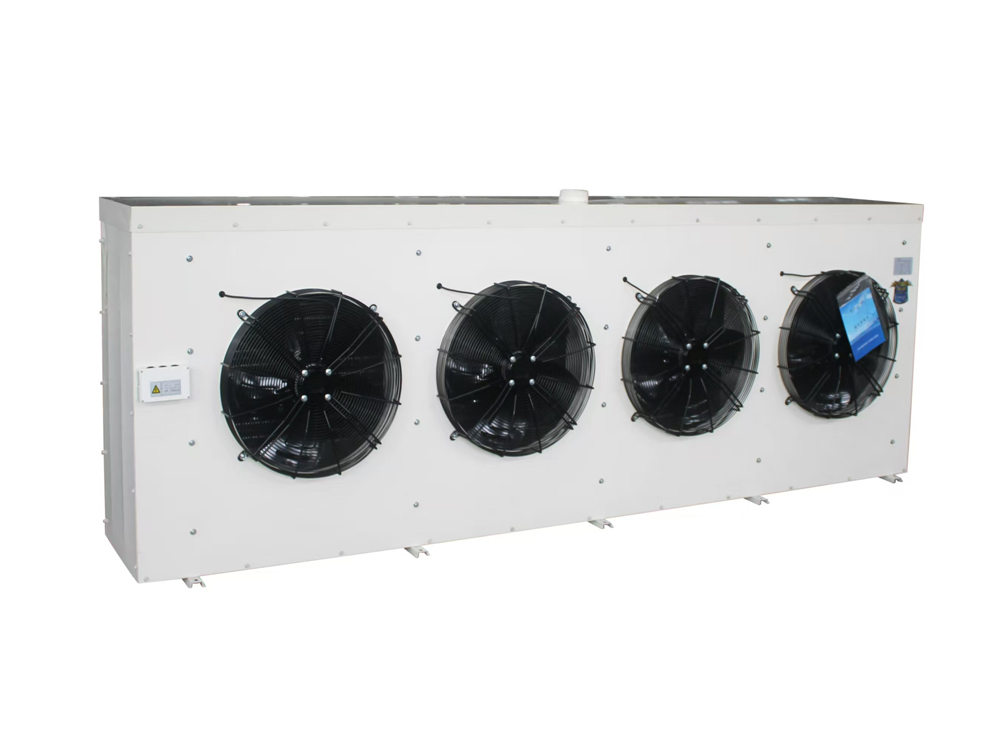
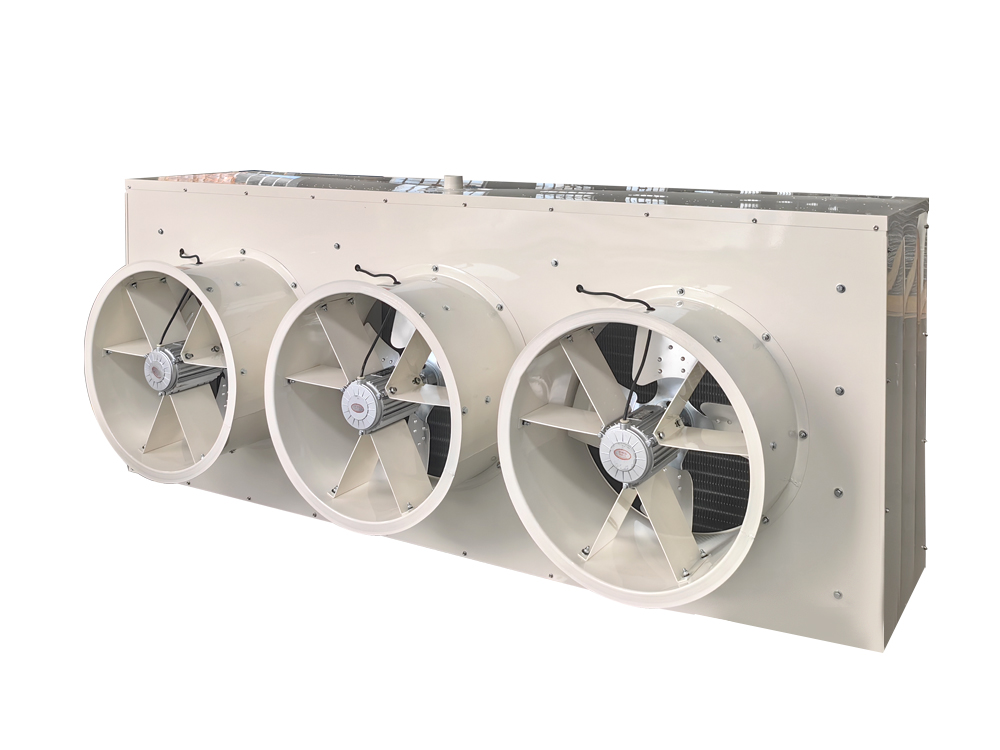
An FUV Box Condenser is a box-type heat exchange unit that converts high-temperature, high-pressure refrigerant vapor into liquid refrigerant by discharging heat into the surrounding air or cooling medium. The enclosed box structure protects the internal coil and fin assembly while keeping the unit compact enough to fit into tight mechanical rooms and equipment enclosures.
Carries refrigerant through the heat exchange path
Expand surface area for faster heat dissipation
Moves air across the coil to carry heat away
Shields internal components in industrial settings
How Heat Actually Leaves the Refrigerant
The condensation process follows a fixed sequence, and a well-designed unit moves through it with minimal pressure loss at every stage.
Performance Factors That Decide Real-World Output
Two condensers with similar dimensions can behave very differently once installed. These are the factors that explain why.
Heat exchange area
More coil and fin surface area generally means faster, more efficient heat dissipation.
Refrigerant and pressure compatibility
The unit must match the refrigerant type and working pressure of the rest of your system.
Airflow rate
Fan performance determines how quickly heat is actually carried away from the fins.
Material and corrosion resistance
Copper, aluminum, and coating choices decide how long the unit performs at rated capacity.
FUV Box Condenser vs Traditional Condenser Products
| Aspect | FUV Box Condenser | Traditional Condenser |
| Structure | Compact, enclosed, space-efficient | Often bulkier, less integrated |
| Heat transfer | Optimized coil and fin design | Depends on conventional layout |
| Maintenance | Designed for easier inspection access | Varies by system design |
| Application fit | Refrigeration, HVAC, cold storage, food processing | General-purpose cooling |
Undersizing a FUV Box Condenser does not just reduce cooling capacity, it forces the compressor to work harder on every single cycle, which is where energy bills and premature wear both start.
Matching Condenser Specs to Your System
Cold storage facilities need condensers sized for sustained, high-volume heat rejection over long operating hours. Commercial refrigeration cabinets prioritize compact footprint without sacrificing airflow. HVAC and climate control systems need consistent performance across a wider range of ambient temperatures. Food processing environments add hygiene and corrosion resistance requirements on top of raw thermal performance.
Specifying the wrong condenser for any of these environments rarely fails immediately. It shows up months later as higher energy consumption, inconsistent temperatures, or a compressor replaced years ahead of schedule.
Before You Specify a Condenser
- Confirm cooling capacity against actual system heat load, not just nameplate values
- Match refrigerant type and working pressure exactly
- Check heat exchange area and airflow rate together, not separately
- Verify tube and fin material against your operating environment
- Ask for documented pressure and leakage testing results


 Contact Number:+86-18858565929
