

 English
 русский
 Español
Content
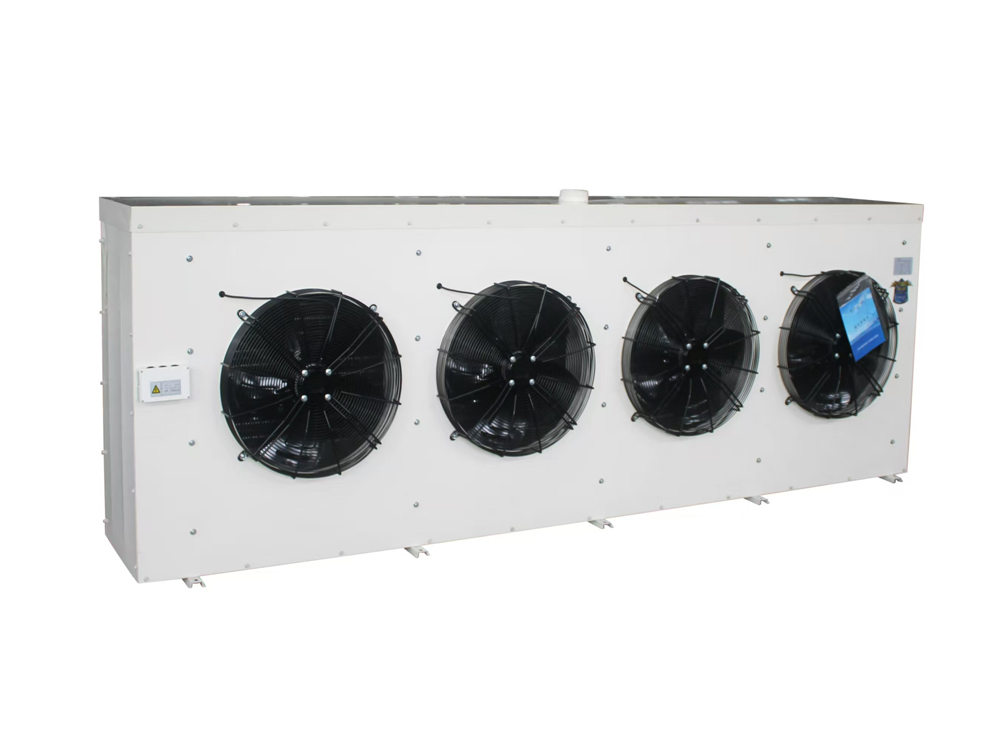
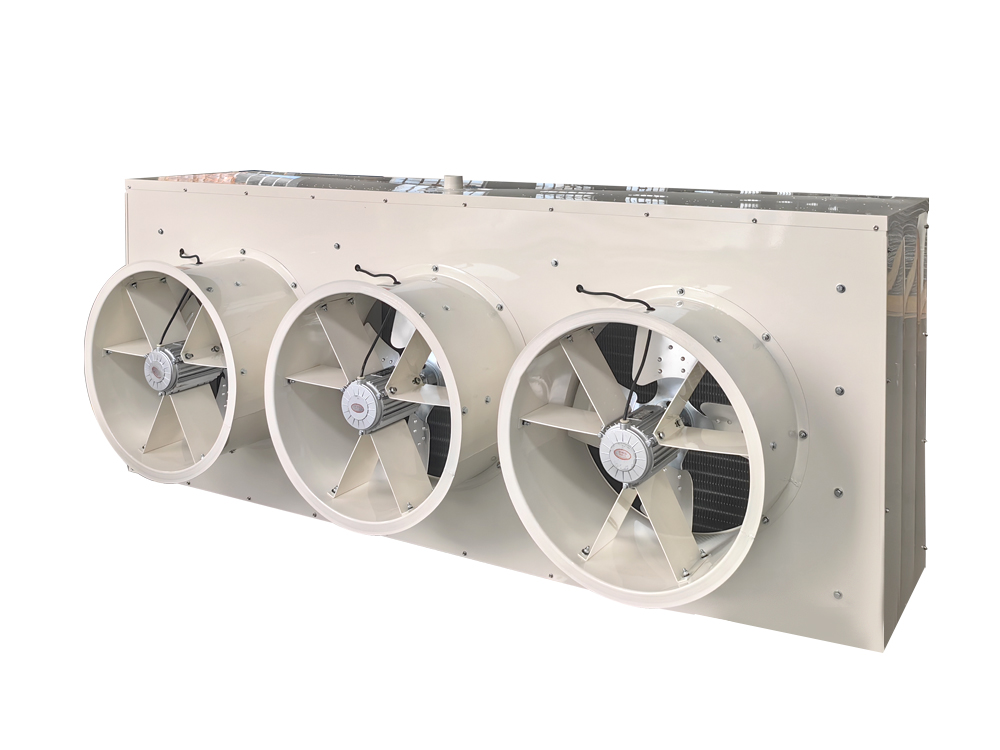
Frost buildup on an evaporator coil is a slow leak in refrigeration efficiency, not a one-time problem. An Electric Defrosting Air Cooler solves this by pairing standard heat exchange with a built-in electric heating cycle that clears ice before it can choke airflow. Below is how the system works, where it earns its place in a cold chain, and what separates a reliable unit from one that fails under continuous operation.
In short
An electric defrosting air cooler is a refrigeration unit that circulates cold air through fan-driven evaporator coils, then uses electric heating elements on a timed or sensor-triggered cycle to melt frost before it degrades cooling performance.
Core Components Inside the Unit
- Evaporator coil for heat exchange
- Electric heating elements for the defrost cycle
- Axial fans for air circulation
- Drainage system for melted frost
- Temperature sensors for cycle triggering
- Control system managing cooling and defrost timing
How a Defrost Cycle Runs
Step 1: Cooling operation
Refrigerant in the evaporator coil absorbs heat as fans push cold air through the storage space.
Step 2: Frost accumulates
Moisture in circulated air condenses and freezes on the coil surface during normal low-temperature operation.
Step 3: Defrost triggers
Sensors or a timed schedule activate the electric heating elements once frost buildup reaches a set threshold.
Step 4: Ice melts and drains
Heating elements melt the frost, and meltwater exits through the drainage system.
Step 5: Cooling resumes
The unit returns to normal cooling operation with full heat exchange efficiency restored.
Why This Matters More Than It Looks
Frost that isn't cleared regularly acts as insulation on the coil, forcing the compressor to work harder for the same cooling output. Left unmanaged, this raises energy use, shortens equipment life, and eventually causes uneven temperatures across the storage space. Electric Defrosting Air Cooler systems remove that failure point by handling defrost automatically rather than depending on manual intervention.
Electric Defrosting Air Cooler
- Automatic frost removal on a set cycle
- Consistent heat exchange efficiency over time
- Built for continuous low-temperature operation
- Lower long-term maintenance burden
Traditional Air Cooling Systems
- Manual or less consistent defrosting
- Efficiency drops as frost accumulates
- Higher risk of uneven cooling
- More frequent maintenance intervention needed
Where These Units Are Used
| Industry | Typical Application |
| Cold storage warehouses | Frozen product storage, distribution centers |
| Food processing | Meat, seafood, and frozen food facilities |
| Pharmaceutical storage | Medicine and vaccine storage rooms |
| Agricultural preservation | Fruit and vegetable storage warehouses |
| Supermarkets | Refrigerated retail display and storage areas |
What to Check Before Choosing a Unit
Match the Unit to Your Application
- Storage temperature range and room size
- Product type and required cooling load
- Operating environment and airflow needs
Verify Performance Specifications
- Cooling capacity and air volume output
- Defrost power and cycle frequency
- Noise level for the installation environment
Confirm Build Quality
- Coil material and fin design for corrosion resistance
- Fan motor durability and electrical safety design
- Compatibility with your refrigerant type
A supplier who can show cooling capacity, defrost performance, and continuous operation test data is showing you how the unit behaves after months of real use, not just on day one.
Where the Technology Is Heading
Intelligent control systems with IoT monitoring are letting operators track defrost cycles and cooling performance remotely, while energy-saving fan designs and more efficient refrigerants are reducing operating costs. As cold chain logistics and pharmaceutical storage requirements keep expanding, demand for units that defrost reliably without manual oversight continues to grow.
Checklist Before You Order
- Cooling capacity matches your room size and product load
- Defrost cycle frequency fits your typical frost accumulation rate
- Coil and fan materials suit your operating temperature range
- Supplier provides testing data for cooling, defrost, and noise performance
- Customization is available if your installation has non-standard requirements


 Contact Number:+86-18858565929
