

 English
 русский
 Español
Content
- 1 Introduction
- 2 Understanding the Role of a Cold Room Evaporator
- 3 Why Maintenance Matters for Equipment Lifespan
- 4 Key Maintenance Areas for Cold Room Evaporators
- 5 Maintenance Schedule Overview
- 6 Impact of Maintenance on Energy Efficiency
- 7 Preventing Corrosion and Material Degradation
- 8 Role of Professional Maintenance and Suppliers
- 9 Common Maintenance Mistakes to Avoid
- 10 Signs That Maintenance Is Needed
- 11 Long-Term Benefits of Proper Maintenance
- 12 Integration with Modern Monitoring Systems
- 13 Environmental Considerations
- 14 Conclusion
- 15 FAQ
Introduction
In modern cold storage operations, maintaining consistent temperature control is critical for preserving product quality, ensuring safety, and optimizing operational efficiency. At the heart of these systems lies the cold room evaporator, a key component responsible for heat exchange and cooling distribution. Despite its importance, this equipment is often overlooked when it comes to structured maintenance.
Proper maintenance of a cold room evaporator is not merely a routine task—it is a strategic approach that directly influences equipment longevity, energy efficiency, and system reliability. Without adequate care, evaporators can suffer from performance degradation, leading to higher operating costs and premature system failure.
Understanding the Role of a Cold Room Evaporator
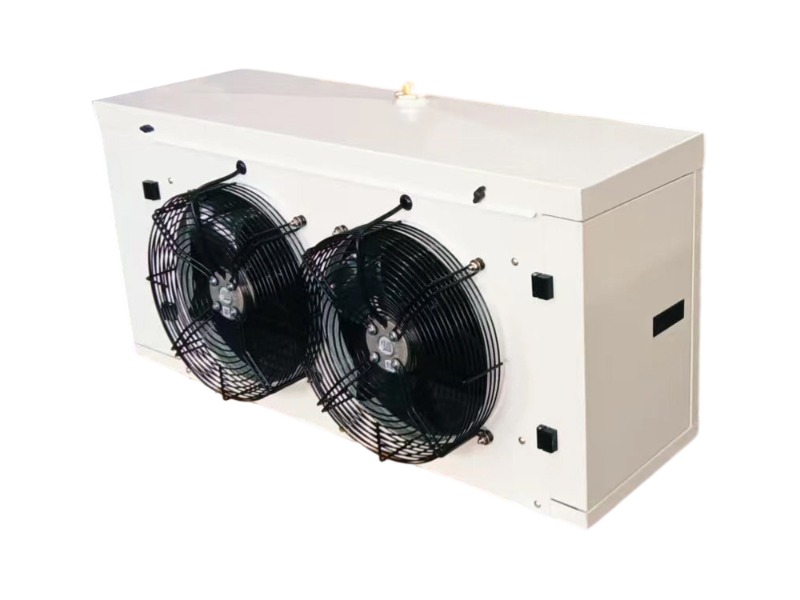
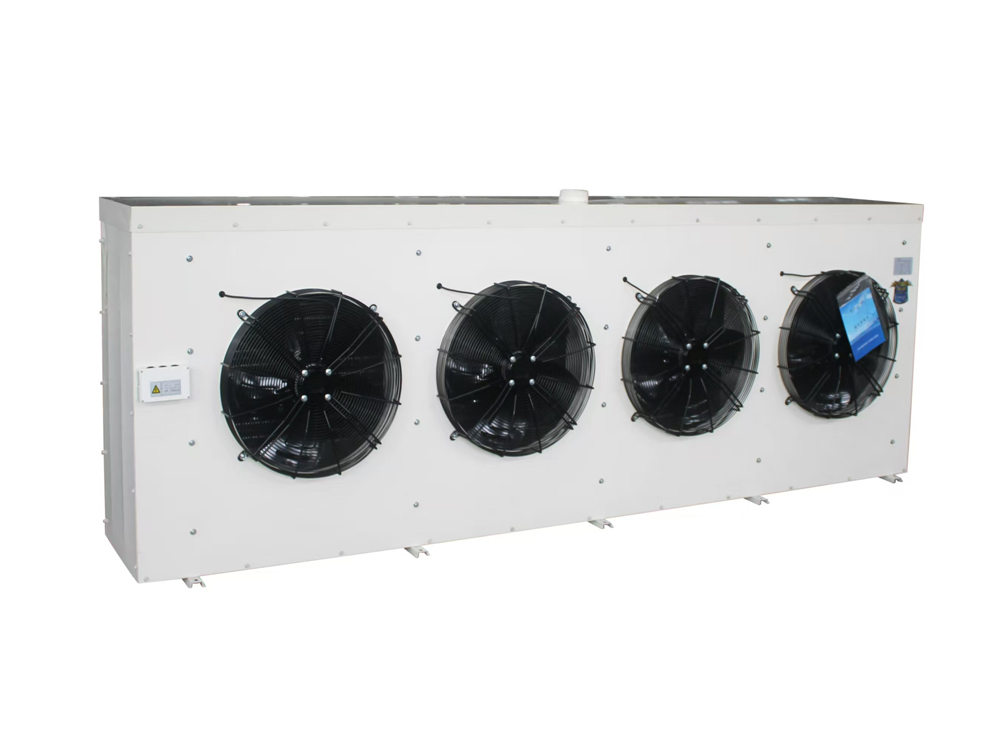
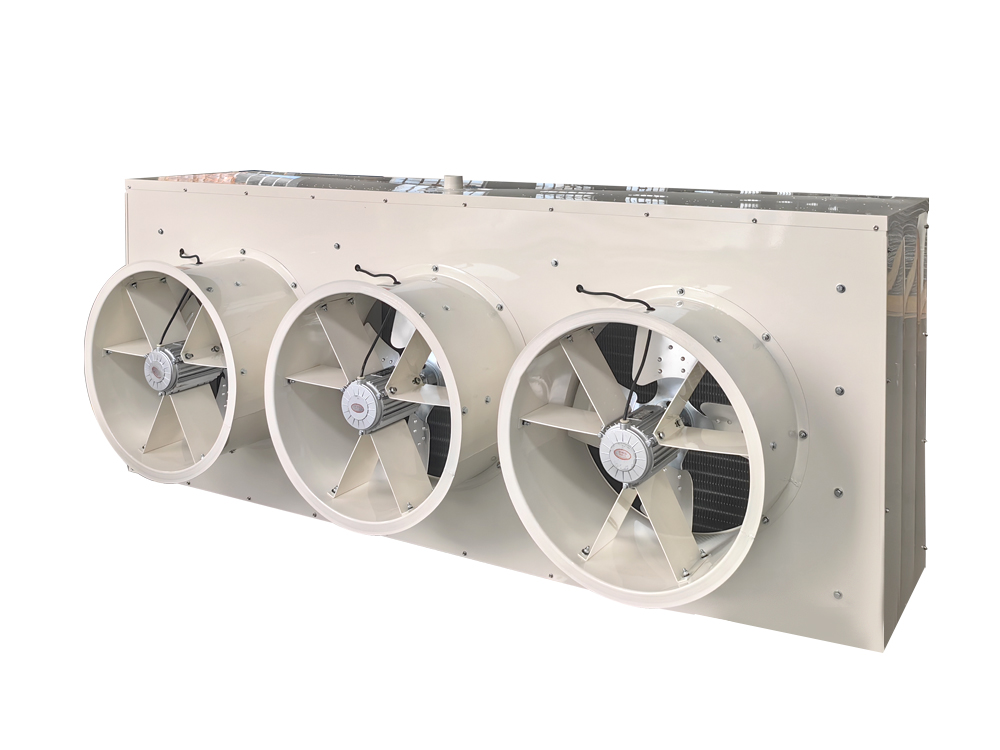
A cold room evaporator functions as the component where refrigerant absorbs heat from the surrounding air. By facilitating the evaporation process, it removes heat from the storage environment and maintains the desired temperature range.
Key functions include:
- Heat absorption from stored goods and air
- Air circulation within the cold room
- Moisture control through condensation
- Supporting consistent temperature distribution
Because the evaporator operates continuously under varying loads, it is exposed to environmental factors such as humidity, frost buildup, and airborne contaminants. These conditions make regular maintenance essential.
Why Maintenance Matters for Equipment Lifespan
The lifespan of a cold room evaporator is directly tied to how well it is maintained. Neglecting maintenance can result in:
- Reduced heat transfer efficiency
- Increased energy consumption
- Mechanical wear and tear
- Frequent system breakdowns
- Corrosion and structural damage
In contrast, a well-maintained system operates smoothly, experiences fewer failures, and retains its performance over a longer period.
Key Maintenance Areas for Cold Room Evaporators
To extend the lifespan of a cold room evaporator, maintenance must address several critical areas. These include cleaning, inspection, airflow management, and system calibration.
Coil Cleaning
Evaporator coils are prone to accumulating dust, grease, and ice. These contaminants act as insulation, reducing heat transfer efficiency.
Best practices:
- Schedule periodic cleaning based on usage intensity
- Use non-corrosive cleaning agents
- Avoid high-pressure washing that may damage fins
Frost and Ice Management
Frost buildup is a common issue in cold storage systems. Excessive ice reduces airflow and forces the system to work harder.
Preventive measures:
- Ensure proper defrost cycles
- Monitor defrost system functionality
- Avoid frequent door openings that introduce humidity
Fan and Motor Inspection
Fans are responsible for circulating air across the evaporator coils. Any malfunction can disrupt airflow and cooling efficiency.
Inspection points:
- Check for unusual noise or vibration
- Ensure blades are clean and balanced
- Verify motor performance and lubrication
Drainage System Maintenance
Blocked drainage systems can lead to water accumulation, which may freeze and damage components.
Maintenance tips:
- Regularly clear drain lines
- Inspect for leaks or blockages
- Ensure proper slope for water flow
Maintenance Schedule Overview
A structured maintenance schedule ensures consistency and prevents oversight.
| Maintenance Task | Frequency | Purpose |
|---|---|---|
| Coil cleaning | Monthly/Quarterly | Maintain heat transfer efficiency |
| Frost inspection | Weekly | Prevent airflow obstruction |
| Fan and motor check | Monthly | Ensure proper air circulation |
| Drain line cleaning | Monthly | Avoid water accumulation |
| System performance check | Quarterly | Detect early inefficiencies |
Impact of Maintenance on Energy Efficiency
One of the most immediate benefits of proper maintenance is improved energy efficiency. A clean and well-functioning cold room evaporator requires less energy to achieve the desired cooling effect.
How Maintenance Reduces Energy Use
- Clean coils improve heat exchange
- Proper airflow reduces compressor load
- Efficient defrost cycles minimize energy waste
Over time, these improvements translate into significant cost savings, especially in large-scale cold storage operations.
Preventing Corrosion and Material Degradation
Cold room evaporators operate in environments with high humidity and temperature fluctuations. These conditions can accelerate corrosion if not properly managed.
Preventive Strategies
- Use protective coatings where applicable
- Inspect for early signs of rust or wear
- Maintain proper humidity levels
By addressing corrosion early, operators can avoid structural damage and extend the operational life of the equipment.
Role of Professional Maintenance and Suppliers
While routine maintenance can be handled internally, periodic professional servicing is essential. Experienced technicians can identify issues that may not be visible during routine checks.
Working with reliable cold storage evaporator suppliers ensures access to:
- High-quality replacement parts
- Technical support and guidance
- System upgrades and optimization solutions
Choosing the right supplier contributes to long-term system reliability and performance.
Common Maintenance Mistakes to Avoid
Even with good intentions, improper maintenance practices can cause more harm than good.
Frequent Mistakes
- Using harsh chemicals that damage coils
- Ignoring minor issues until they escalate
- Skipping scheduled maintenance tasks
- Improper defrost settings
Avoiding these mistakes is crucial for preserving the integrity of the cold room evaporator.
Signs That Maintenance Is Needed
Recognizing early warning signs can prevent major failures.
Key Indicators
- Uneven temperature distribution
- Increased energy consumption
- Visible frost accumulation
- Unusual noises from fans or motors
- Water leakage or ice formation
Prompt action upon noticing these signs can significantly extend equipment lifespan.
Long-Term Benefits of Proper Maintenance
Consistent maintenance delivers both operational and financial advantages.
Benefits Overview
| Benefit | Description |
|---|---|
| Extended equipment life | Reduced wear and delayed replacement needs |
| Lower operating costs | Improved efficiency and reduced energy use |
| Enhanced reliability | Fewer unexpected breakdowns |
| Improved product safety | Stable temperature conditions |
| Reduced downtime | Continuous and uninterrupted operation |
Integration with Modern Monitoring Systems
Advanced monitoring technologies can further enhance maintenance strategies. Sensors and control systems provide real-time data on temperature, humidity, and system performance.
Advantages of Monitoring Systems
- Early fault detection
- Automated alerts for maintenance needs
- Data-driven decision-making
Integrating these systems with maintenance routines ensures proactive rather than reactive management.
Environmental Considerations
Proper maintenance also supports environmental sustainability. Efficient systems consume less energy and reduce greenhouse gas emissions.
Additionally, well-maintained evaporators minimize refrigerant leaks, which can have significant environmental impacts.
Conclusion
The cold room evaporator is a vital component in any cold storage system, and its performance directly affects operational efficiency and product integrity. Proper maintenance is not optional—it is essential for extending equipment lifespan and ensuring reliable performance.
By implementing structured maintenance routines, addressing potential issues early, and collaborating with experienced cold storage evaporator suppliers, businesses can maximize the value of their refrigeration systems. In the long run, this approach leads to lower costs, improved efficiency, and greater operational stability.
FAQ
1. How often should a cold room evaporator be cleaned?
The cleaning frequency depends on usage and environmental conditions, but regular inspections should determine whether monthly or quarterly cleaning is necessary.
2. What causes frost buildup on evaporators?
Frost buildup is typically caused by high humidity, frequent door openings, or malfunctioning defrost systems.
3. Can poor maintenance affect energy consumption?
Yes, neglected maintenance reduces efficiency, causing the system to consume more energy to maintain the same temperature.
4. When should professional servicing be scheduled?
Professional servicing is recommended periodically, especially when performance issues or unusual system behavior are detected.
5. How do cold storage evaporator suppliers support maintenance?
They provide technical guidance, replacement parts, and system optimization solutions to ensure long-term equipment performance.


 Contact Number:+86-18858565929
