

 English
 русский
 Español
Content
Introduction
In the modern world, industrial cold rooms and refrigeration systems are essential for preserving perishable goods across various industries. Whether you operate a food storage facility, pharmaceutical production, or even a small-scale cold storage unit, choosing the right cooling equipment is crucial. Among the most efficient cooling devices is the industrial cold room cooler, a device designed to meet high demands for temperature control.
Types of Industrial Cold Room Coolers
Industrial cold room coolers come in a variety of designs and configurations, with each suited for different applications. Understanding these types is the first step in selecting the right cooler for your needs.
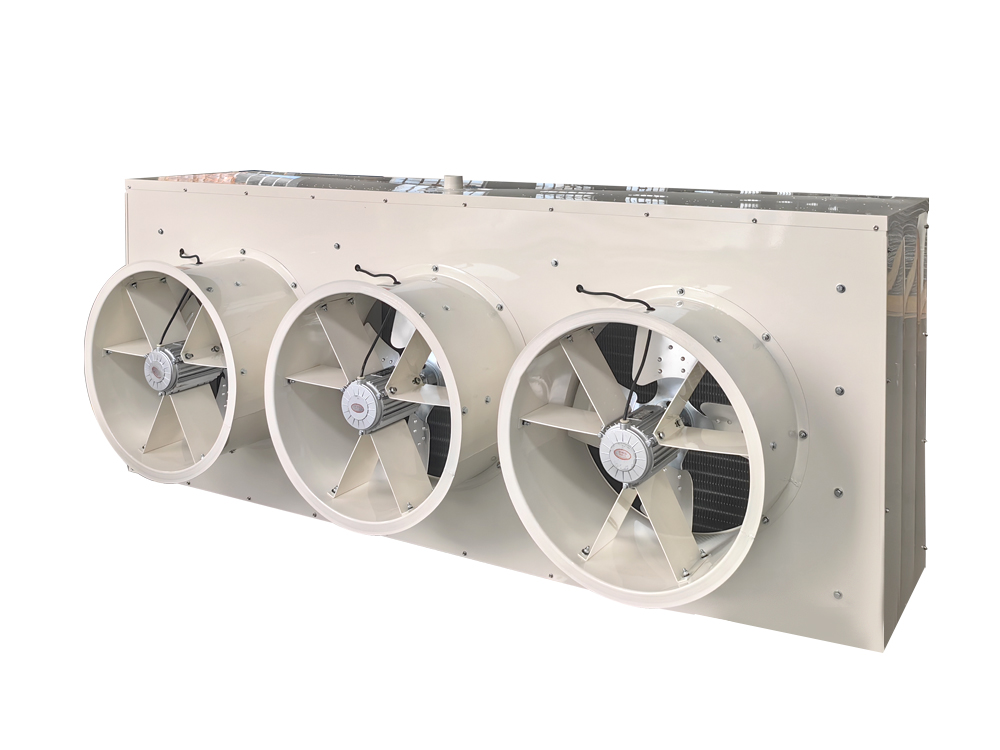
Side-Door Air Cooler
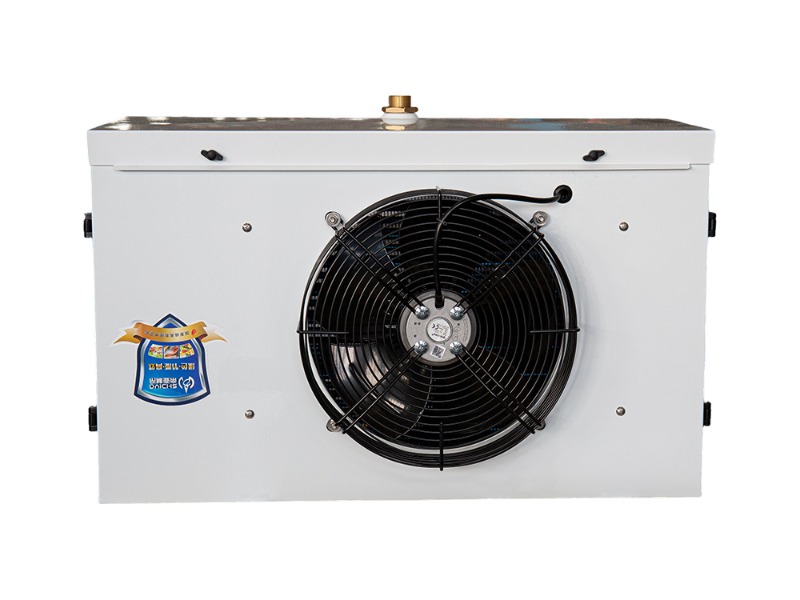
The side-door air cooler is one of the most commonly used systems in small to medium-sized cold rooms. It is highly efficient and designed with a streamlined air distribution system that ensures even cooling throughout the room. These coolers are ideal for applications that require consistent temperatures, such as fresh-keeping and freezing.
Key Features:
- Efficient heat exchange: Utilizes copper tubes and aluminum fins.
- Defrosting system: Includes a stainless steel defrost heater for quick and even defrosting.
- Easy maintenance: Features removable end panels and drain plates for easy cleaning.
Ceiling-Mounted Coolers
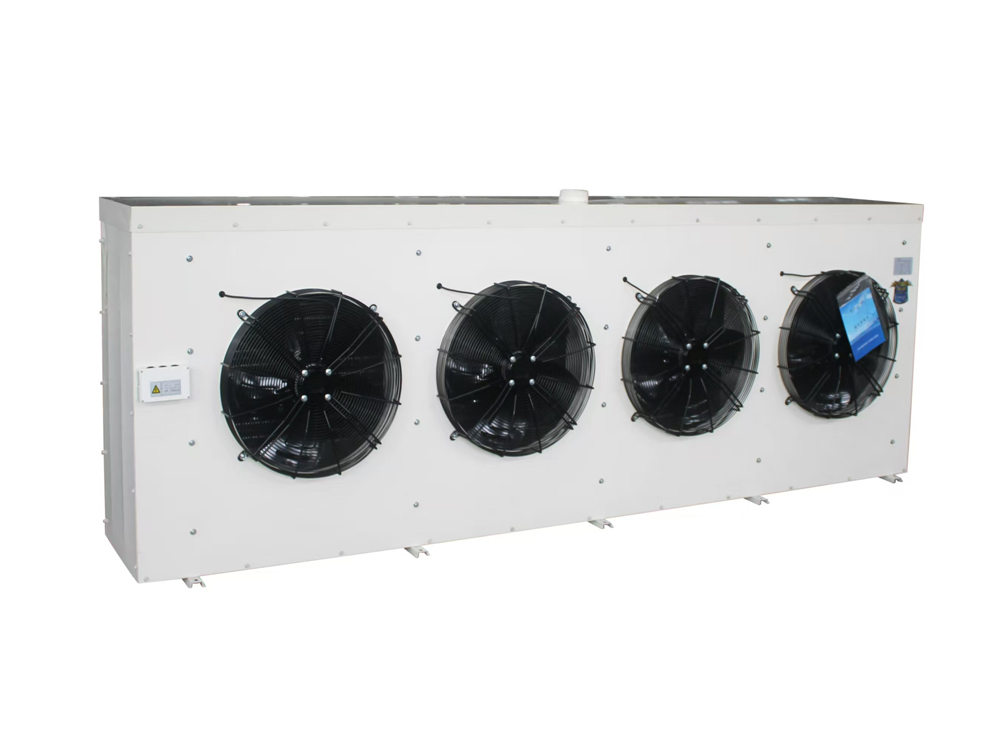
Ceiling-mounted coolers are designed for larger cold rooms where floor space is limited. They work by circulating cold air from the ceiling, ensuring an even distribution of temperature throughout the room. These coolers are commonly found in warehouses and large food storage areas.
Wall-Mounted Coolers
Wall-mounted coolers are ideal for applications where space is limited or when cooling needs are more localized. They are typically smaller in size but still offer effective cooling capabilities. These coolers are commonly used in retail environments or small-scale refrigeration units.
How to Choose the Right Industrial Cold Room Cooler
Selecting the right cooler for your industrial cold room requires consideration of several factors to ensure that it meets your needs efficiently. Here are some key points to help you make the right decision:
Size of the Cold Room
The size of your cold room plays a significant role in determining which cooler is best suited for your needs. Larger cold rooms require more powerful cooling systems, such as ceiling-mounted coolers, while smaller rooms can benefit from side-door air coolers or wall-mounted units.
Cooling Capacity
The cooling capacity of a cooler is another important factor. It is typically measured in British Thermal Units (BTUs) and indicates how much heat the cooler can remove from the room in one hour. For industrial cold rooms, it is crucial to select a cooler with a sufficient BTU rating to handle the load.
Energy Efficiency
Energy efficiency is an essential consideration for long-term cost savings. Look for industrial cold room coolers with energy-efficient designs and refrigerants. Choosing a system that provides optimal cooling with minimal energy consumption can reduce operating costs.
Defrosting System
The defrosting mechanism of your cooler is critical to maintaining consistent performance. A system with a fast and efficient defrosting cycle, such as the stainless steel defrost heater found in side-door air coolers, ensures that the cooling unit operates without interruption.
Maintenance and Ease of Cleaning
Maintaining your cooler is vital to ensuring its long-term efficiency. Look for designs that make maintenance easy, such as removable end panels, drain plates, and easy access to cooling components. This reduces downtime and keeps the system running smoothly.
Side-Door Air Cooler: Detailed Overview
The side-door air cooler is one of the most efficient solutions for small to medium-sized refrigeration units. Its design is tailored to ensure optimal cooling performance and ease of maintenance.
Construction and Materials
- Copper Tubes & Aluminum Fins: These components are used for efficient heat exchange, enabling the cooler to operate at maximum efficiency.
- Stainless Steel Defrost Heater: The defrost heater ensures quick defrosting, preventing the build-up of ice and maintaining consistent cooling.
- Streamlined Air Distribution: The air cooler utilizes an advanced air distribution pattern to ensure even and consistent cooling throughout the room.
Efficiency and Performance
The efficiency of side-door air coolers lies in their combination of high-efficiency materials and smart design. By optimizing heat exchange through copper and aluminum components, the cooler can quickly bring down temperatures without excessive energy consumption.
Maintenance and Accessibility
The side-door air cooler is designed for ease of maintenance. Its removable panels and drain plates make it easy to clean and inspect the system, reducing the need for specialized maintenance personnel.
Maintenance of Industrial Cold Room Coolers
Proper maintenance of industrial cold room coolers is essential to maximize their lifespan and ensure optimal performance. Regular maintenance prevents costly repairs and downtime.
Regular Cleaning
- Coils and Fins: Ensure the coils and fins are free of dust and debris. Regularly cleaning these components ensures maximum heat exchange efficiency.
- Drainage System: Clean the drain plates and ensure that water can flow freely to prevent clogging.
- Air Filters: Check and replace air filters regularly to maintain airflow and cooling performance.
Defrosting
Ensure that the defrosting system is functioning correctly to prevent ice buildup, which can reduce efficiency. Clean the defrost heater periodically and ensure that it is working efficiently.
Refrigerant Check
Monitor the refrigerant levels regularly to ensure that the cooler is operating at its full potential. Low refrigerant levels can lead to inefficient cooling and system failure.
Industrial Cold Room Cooler Comparison
| Feature | Side-Door Air Cooler | Ceiling-Mounted Cooler | Wall-Mounted Cooler |
|---|---|---|---|
| Cooling Capacity (BTU) | Medium to High | High | Low to Medium |
| Energy Efficiency | High | High | Medium |
| Defrosting System | Stainless Steel Heater | Automatic | Manual or Automatic |
| Ease of Maintenance | Easy (removable panels) | Moderate | Easy (removable panels) |
| Ideal Application | Small to Medium Rooms | Large Rooms/Warehouses | Small to Medium Rooms |
FAQ
1. What is the difference between a side-door air cooler and a ceiling-mounted cooler?
- Side-door air coolers are designed for smaller cold rooms and offer efficient cooling with easy access for maintenance. Ceiling-mounted coolers are typically used in larger cold rooms or warehouses, where space is limited on the floor.
2. How often should I clean my industrial cold room cooler?
- It is recommended to clean your cooler at least once every 3-6 months, depending on usage. Regular cleaning helps maintain efficiency and prevents system failures.
3. Can I install an industrial cold room cooler myself?
- While it is possible to install some systems yourself, it is recommended to have a professional handle the installation to ensure that the unit is set up correctly and operates efficiently.
4. What are the signs that my cooler is not functioning properly?
- Common signs of malfunction include inconsistent temperatures, frost buildup, and unusual noises. If these issues occur, it may indicate a problem with the refrigerant or defrosting system.


 Contact Number:+86-18858565929
