

 English
 русский
 Español
Content
Refrigeration condensing units are an essential component in a variety of cooling systems, playing a vital role in maintaining the desired temperature for perishable goods, industrial processes, and commercial operations. Whether you’re in food storage, pharmaceutical warehousing, or any other industry requiring precise temperature control, choosing the right condensing unit can significantly impact the efficiency and cost-effectiveness of your cooling system.
Understanding Refrigeration Condensing Units
Definition and Functionality
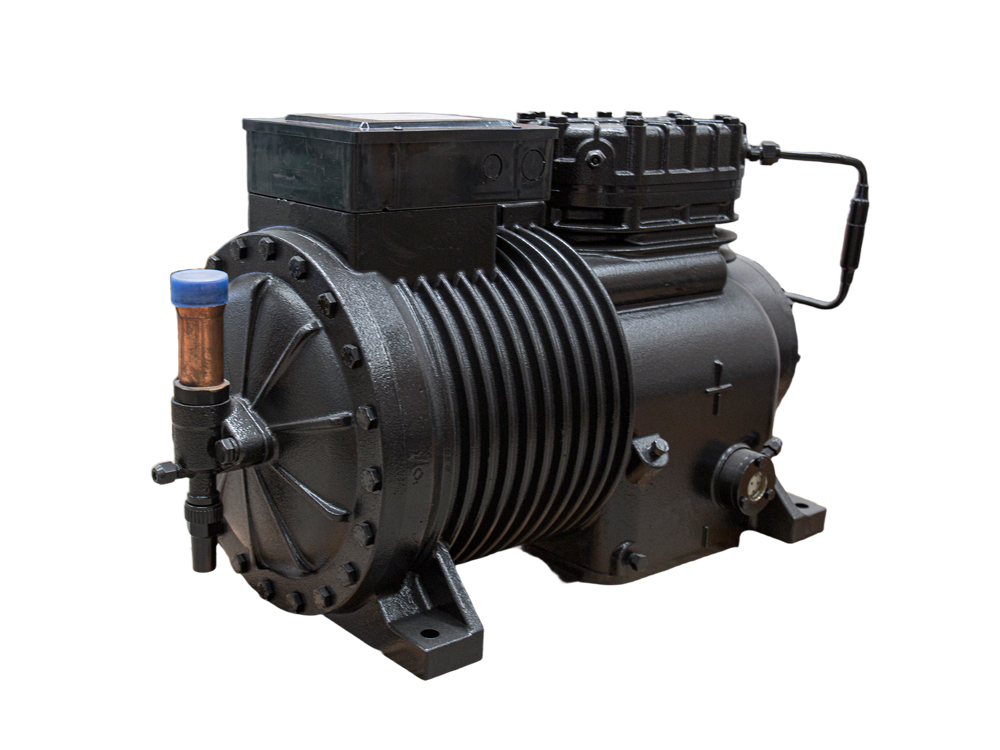
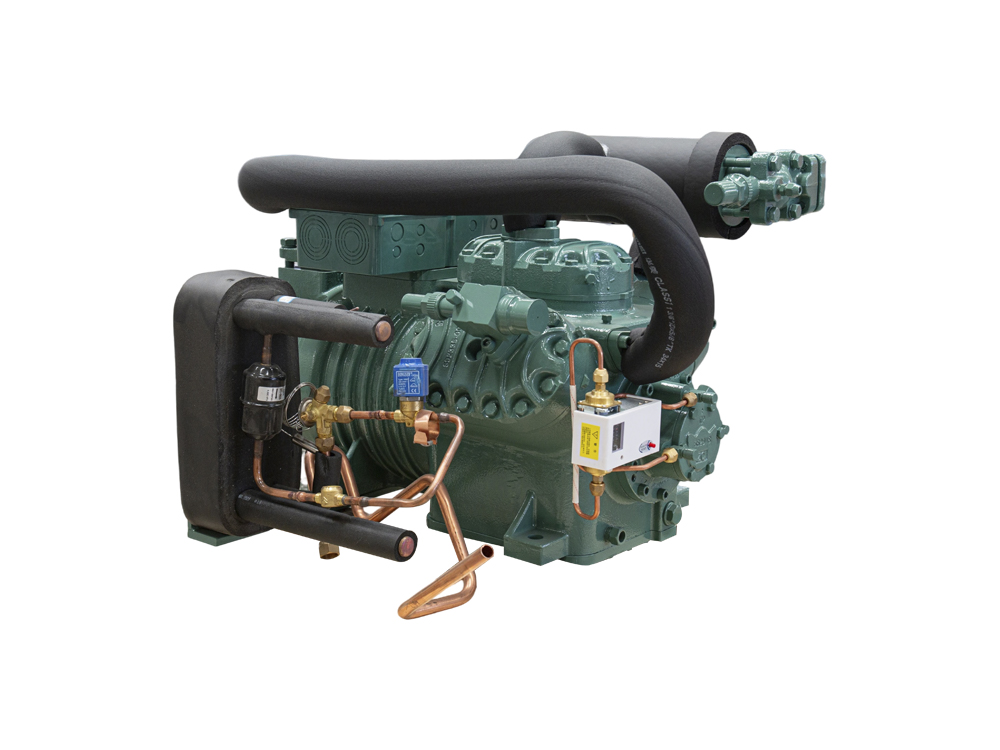
A refrigeration condensing unit is a vital part of a cooling system, designed to remove heat from the refrigerant and release it into the environment, allowing the system to maintain a consistent temperature. These units typically consist of a compressor, condenser coil, fan motor, and various controls.
The compressor pressurizes the refrigerant, causing it to become hot and high-pressure. This hot gas is then directed to the condenser coil, where heat is dissipated with the help of the fan motor, which circulates air to aid in the cooling process.
By combining these components, refrigeration condensing units ensure optimal performance in maintaining cold storage or processing conditions in various industries, including food preservation, pharmaceuticals, and industrial cooling.
Components and Working Mechanism
The core components of a refrigeration condensing unit are:
- Compressor: Increases the refrigerant’s pressure and temperature.
- Condenser coil: Transfers the heat from the refrigerant to the surrounding environment.
- Fan motor: Helps disperse the heat absorbed by the condenser coil.
- Controls: Ensure the system operates efficiently and within set parameters.
This integrated system works together to keep temperatures consistent, enabling businesses to preserve goods or regulate industrial processes.
Importance in Cooling Systems
Refrigeration condensing units are fundamental in maintaining optimal temperatures in various cooling applications. They play a critical role in industries such as:
- Food storage: Ensuring freshness and preventing spoilage.
- Pharmaceuticals: Maintaining proper storage conditions for sensitive medical supplies.
- HVAC systems: Regulating air conditioning in commercial and industrial buildings.
By regulating temperature and improving energy efficiency, condensing units help businesses avoid spoilage, reduce operational costs, and maintain consistent quality for consumers.
Differences Between a Condenser and a Condensing Unit
While often used interchangeably, condensers and condensing units are distinct components in a refrigeration system.
- A condenser is simply the part of the system that converts high-pressure refrigerant gas into liquid by releasing heat.
- A condensing unit, however, is a complete assembly that includes not only the condenser but also the compressor, fan, and controls, making it a more integrated solution.
Understanding these differences is essential when selecting equipment, as choosing the right type of system can affect the overall performance and energy efficiency of your cooling system.
Heat and Cool: The Functionality of Condensing Units
Dual Functionality Explained
One of the key benefits of refrigeration condensing units is their dual functionality. These units are capable of both cooling and heating, offering businesses a versatile solution for regulating temperature in various applications. This makes them ideal for industries that require precise temperature control, such as food processing, pharmaceutical storage, and climate-controlled environments.
The ability to switch between heating and cooling can significantly reduce operational costs, as businesses can rely on a single unit for both functions, simplifying their cooling systems.
Advantages in Temperature Regulation
Condensing units are highly effective at temperature regulation, allowing businesses to create stable environments for perishable goods or industrial processes. By maintaining optimal conditions, these units ensure the quality of products and reduce energy waste.
Applications in Various Industries
- Food and Beverage: Condensing units maintain cold storage, preventing spoilage and preserving food quality.
- Pharmaceuticals: They are used in pharmaceutical warehousing to store temperature-sensitive medications.
- HVAC: Used in air conditioning systems to regulate temperature in commercial buildings.
Dry Cooler vs. Condensing Unit: Which is Right for Your Needs?
Contrasting Features and Benefits
When choosing a cooling solution, businesses often face the decision between dry coolers and condensing units. Dry coolers use ambient air to cool refrigerants and are ideal for outdoor applications. Condensing units, on the other hand, offer a more compact and integrated solution, combining the compressor, condenser, and fan motor in one unit.
While dry coolers are energy-efficient and require minimal maintenance, condensing units are better suited for spaces where integration with existing refrigeration systems is needed. The choice between the two depends on factors like space availability, cooling capacity, and installation requirements.
Optimizing Energy Efficiency
Both systems are designed to be energy-efficient, but condensing units tend to offer more flexibility in terms of space optimization and ease of installation. By selecting the right system for your needs, you can ensure that your cooling operations are as energy-efficient as possible, reducing both operational costs and environmental impact.
Condensing Units and Packaged Systems
Understanding Packaged Refrigeration Solutions
Packaged refrigeration systems are pre-engineered and factory-assembled units that include a condensing unit, evaporator, and other essential components in one package. These systems are designed for easy installation and maintenance, making them ideal for businesses seeking a reliable and streamlined cooling solution.
Benefits and Limitations
- Benefits: Reduced installation time, ease of maintenance, and improved system efficiency.
- Limitations: Limited customization options and space constraints in certain applications.
Integration with Other Refrigeration Components
Packaged systems can be seamlessly integrated with other refrigeration components such as compressors and controls, creating a comprehensive and efficient cooling solution for businesses.
Conclusion
Making the Right Choice for Your Cooling Needs
When selecting a refrigeration condensing unit, businesses must consider factors such as capacity, energy efficiency, and space availability. Understanding the different types of units—whether air-cooled, water-cooled, or remote condensing units—helps ensure that businesses make the right choice for their specific cooling requirements.
Partnering with Diya for Innovative Solutions
As a trusted refrigeration equipment manufacturer, Zhejiang Diya Refrigeration Equipment Co., Ltd. provides a wide range of high-quality condensing units and custom-made solutions. Our goal is to become your long-term partner, offering reliable systems that meet diverse industrial needs and challenges.
Advancing Your Business with Custom Refrigeration Systems
By choosing the right condensing unit, businesses can optimize their operations, reduce costs, and maintain optimal cooling conditions. Partner with Diya to benefit from advanced refrigeration systems tailored to your specific needs.
FAQ
1. What is a refrigeration condensing unit, and how does it work?
A refrigeration condensing unit is an integrated system consisting of a compressor, condenser, fan motor, and controls that work together to regulate temperatures by removing heat from the refrigerant and releasing it into the surrounding environment.
2. What are the key differences between a condenser and a condensing unit?
A condenser is just the component that cools the refrigerant, while a condensing unit is a complete system that includes the condenser, compressor, and other components.
3. How do dual-function condensing units benefit my business?
Dual-function condensing units can provide both heating and cooling, offering businesses a versatile and cost-effective solution to maintain optimal temperatures for various applications.
4. Are packaged refrigeration systems a good choice for my business?
Packaged systems offer the benefit of quick installation and easy maintenance, making them a good choice for businesses seeking a reliable and efficient cooling solution.
5. How can I improve the energy efficiency of my refrigeration system?
By choosing an energy-efficient condensing unit and optimizing your cooling system’s design, you can reduce energy consumption and operational costs, helping your business become more sustainable.


 Contact Number:+86-18858565929
