

 English
 русский
 Español
Where Water-Cooled Condensing Units Fit in Modern Refrigeration
Refrigeration engineers who design systems for large cold stores, data halls and process plants often face the same question: how should the heat from the refrigerant be rejected? A water-cooler condensing unit answers that question by moving condenser heat into a circulating water loop, which is then rejected through a cooling tower or heat exchanger. This approach keeps condensing temperatures stable even when outdoor air is hot, humid or dusty, and it allows the equipment to run closer to its design efficiency across a wider range of seasons.
This guide explains how the technology works, where it delivers the most value, how it compares with air-cooled alternatives, and what buyers should check when specifying a system. The discussion focuses on practical engineering considerations rather than marketing claims, so that project teams can make informed decisions early in the design process.
How a Water-Cooled Condensing Unit Works
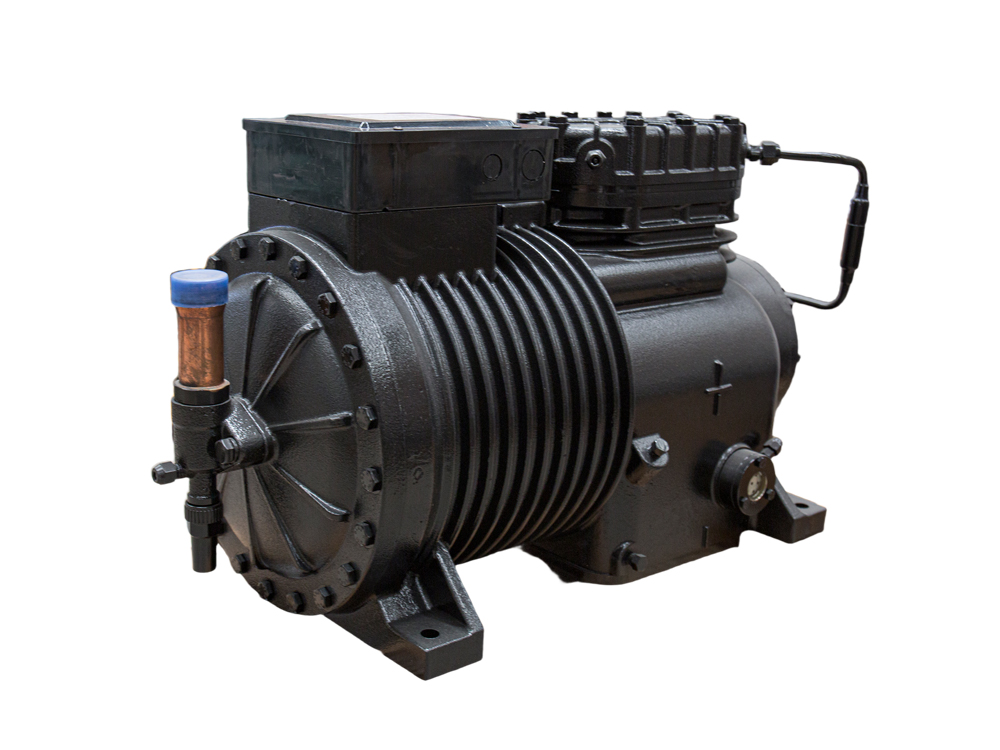
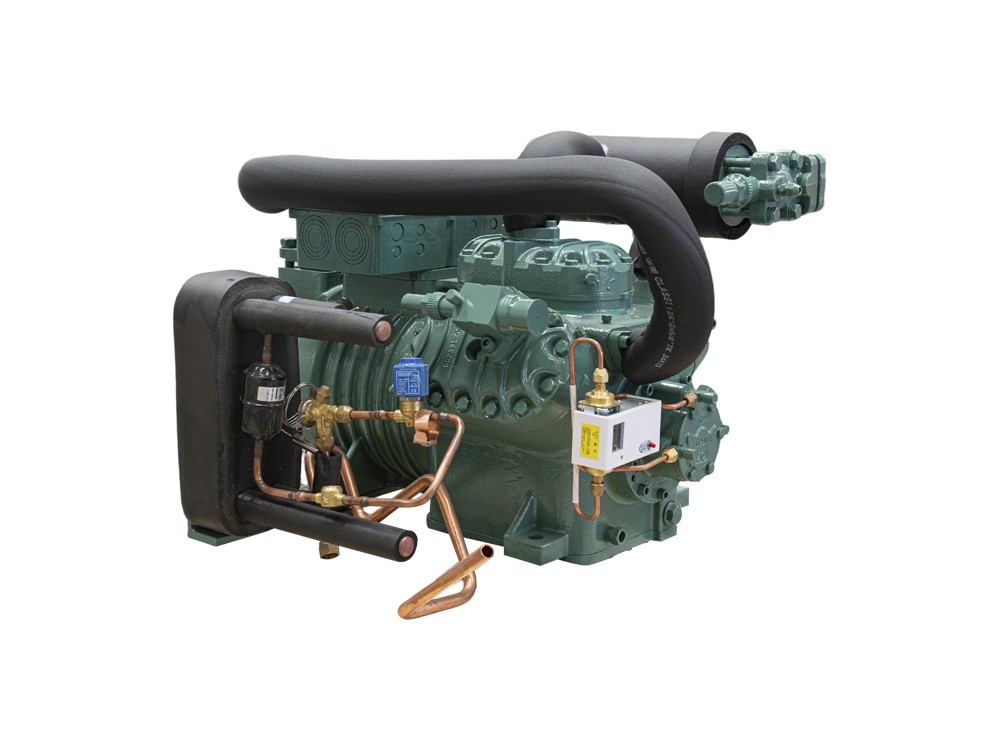
In a conventional vapor compression cycle, the compressor raises the pressure and temperature of the refrigerant vapor. The hot gas then enters the condenser, where it releases heat and changes phase back to liquid. In a water-cooled configuration, that heat transfer happens in a shell-and-tube or plate heat exchanger, and the heat is carried away by water rather than by air moving across finned coils.
Because water has a far higher heat capacity and heat transfer coefficient than air, the condensing temperature can be held close to the wet-bulb temperature of the cooling water circuit. This is the key reason the design performs well in climates where dry-bulb temperatures routinely exceed 35 degrees Celsius.
- Compressor compresses refrigerant vapor to a higher pressure and temperature.
- Condenser transfers heat from the refrigerant to a circulating water loop.
- Receiver stores liquid refrigerant and balances charge across load changes.
- Expansion device lowers pressure before the refrigerant returns to the evaporator.
Core Advantages for Industrial Buyers
Stable Condensing Performance in Hot Climates
Air-cooled units lose capacity as ambient temperature rises, because the air entering the coil is already warm. Water-cooled designs are far less sensitive to dry-bulb swings. Field data from comparable industrial sites commonly shows that condensing pressure stays within a narrow band across the year, which protects compressor life and reduces the risk of nuisance trips during summer peaks.
Water Efficiency with Proper Circuit Design
Although water-cooled systems consume water through evaporation in the cooling tower, closed-loop and low-drift designs can reduce make-up water demand substantially. For sites with limited water supply, a well-engineered heat recovery or reclaimed water circuit can offset much of the consumption.
Modular and Serviceable Layout
Modern packages separate the compressor, condenser and controls into clearly accessible modules. This simplifies maintenance access, shortens commissioning time and makes it easier to add capacity in stages as a facility grows.
Variable Speed Control
| Control Option | Typical Benefit | Best Suited For |
|---|---|---|
| Fixed speed fans and pumps | Lowest initial cost | Constant load processes |
| Variable frequency drives on fans | Lower fan energy at part load | Cold storage with seasonal swing |
| VFD on condenser water pump | Reduced pumping energy | Large loops with variable flow |
Water-Cooled vs Air-Cooled Condensing Units
Selecting between the two approaches depends on water availability, ambient conditions, installation space and lifecycle cost targets. The table below summarizes the main trade-offs that project teams typically evaluate.
| Criteria | Water-Cooled | Air-Cooled |
|---|---|---|
| Heat rejection medium | Water loop with tower | Ambient air across coil |
| Performance in high ambient heat | Stable | Declines as temperature rises |
| Water consumption | Moderate, depends on tower design | None |
| Outdoor footprint | Compact plant room with tower | Larger outdoor coil area |
| Maintenance focus | Water treatment and tower cleaning | Coil cleaning and fan service |
| Typical project fit | Large facilities and high heat loads | Smaller plants and limited water access |
Typical Applications and Real Project Examples
Cold Storage and Food Cold Chain
A regional distribution warehouse in a hot inland climate reported that switching its high-temperature refrigeration stage to water-cooled condensing reduced summer compressor cycling and kept room temperatures within tighter limits during peak afternoons. The facility also used the stable condensing temperature to extend defrost intervals on its evaporators.
Data Center Cooling Support
Data halls require continuous operation and predictable heat rejection. Engineering teams often pair water-cooled condensing units with chilled water loops so that cooling capacity can follow server load. Redundant pumps and controls help maintain uptime during maintenance windows.
Commercial and Process Refrigeration
- Medium and large commercial buildings with central refrigeration plants
- Pharmaceutical warehousing where temperature stability is a compliance requirement
- Industrial process cooling for chemical and plastics production
Design Parameters That Affect Specification
A reliable specification starts with clear design inputs. The following points should be defined before requesting a quotation from any supplier, because they strongly influence compressor selection, heat exchanger size and tower requirements.
- Design cooling capacity at the expected evaporating temperature
- Maximum and average ambient wet-bulb temperature for the site
- Available cooling water flow rate and supply temperature
- Refrigerant type and any regulatory restrictions on charge
- Electrical supply, control interface and future expansion plans
Maintenance Practices That Protect Performance
Water-cooled equipment rewards disciplined maintenance. Scale, biological growth and corrosion can reduce heat transfer quickly if the water treatment program is weak. A structured schedule keeps approach temperatures low and prevents avoidable energy penalties.
| Interval | Task | Purpose |
|---|---|---|
| Weekly | Check water chemistry and blowdown | Control scale and corrosion |
| Monthly | Inspect strainers and tower basin | Maintain flow and remove debris |
| Quarterly | Measure approach temperature | Detect fouling early |
| Annually | Inspect heat exchanger and vibration | Protect long-term reliability |
Custom Configuration Options for Complex Projects
Standard packages suit many installations, but sites with unusual constraints benefit from configurable features. Common customization requests include compact footprints, altered compressor types, enhanced corrosion protection and special control logic for integration with building management systems.
- Box-type or V-type layouts to fit restricted rooftop or yard space
- Screw or semi-hermetic piston compressor options based on capacity and duty cycle
- Variable frequency control for fans and condenser water pumps
- Coating systems suited to coastal or chemically aggressive atmospheres
Frequently Asked Questions
Q1: What is the difference between a water-cooler condensing unit and an evaporative cooling chiller?
A water-cooler condensing unit is a refrigeration package that rejects condenser heat into a water loop, while an evaporative cooling chiller is typically a complete system that produces chilled water using evaporative heat rejection. Both use water in the heat rejection path, but they serve different points in the cooling chain.
Q2: How is the cost of a water-cooled condensing unit determined?
Pricing depends on cooling capacity, compressor type, control package, materials and any customization required for the site. A precise figure can only be given once the design inputs are known, so providing project parameters early is the most efficient way to obtain an accurate quotation.
Q3: What maintenance is needed for a water-cooled system?
The main tasks are water treatment, tower and strainer cleaning, approach temperature monitoring and periodic inspection of the heat exchanger. Following a documented schedule keeps energy use predictable and reduces the risk of unplanned downtime.
Q4: Can a water-cooled condensing unit operate reliably in high ambient temperatures?
Yes. Because condensing temperature depends mainly on the wet-bulb temperature of the water circuit rather than the dry-bulb air temperature, these systems maintain stable performance during hot periods when properly sized and maintained.
Next Steps for Your Project
If you are evaluating a water-cooled configuration for a cold store, data facility or process plant, prepare your cooling capacity, design ambient conditions, water supply details and any custom requirements. Sharing these parameters allows an engineering review and a tailored proposal that matches the site.


 Contact Number:+86-18858565929

