

 English
 русский
 Español
Content
- 1 Why the Refrigeration Condensing Unit Decides Whether Your Cold Room Works
- 2 What Is a Refrigeration Condensing Unit? The Heart of Your Cold Room Explained
- 3 How to Choose the Right Refrigeration Condensing Unit for Your Application
- 4 Air-Cooled vs Water-Cooled Refrigeration Condensing Unit: Which Fits Your Project?
- 5 What Affects the Price of a Refrigeration Condensing Unit?
- 6 How to Evaluate Refrigeration Condensing Unit Suppliers
- 7 Frequently Asked Questions About Refrigeration Condensing Units
- 7.0.1 Q1: What size refrigeration condensing unit do I need for a cold room?
- 7.0.2 Q2: Can a refrigeration condensing unit be installed outdoors?
- 7.0.3 Q3: How often should a refrigeration condensing unit be serviced?
- 7.0.4 Q4: What is the difference between a condensing unit and a compressor?
- 7.0.5 Q5: How do I know if my condensing unit is undersized?
- 7.0.6 Q6: Can I replace just the compressor instead of the whole condensing unit?
- 7.0.7 Q7: What refrigerant types are used in modern condensing units?
- 7.0.8 Q8: How much does a refrigeration condensing unit cost?
- 8 Get a Customized Refrigeration Condensing Unit Quote
Why the Refrigeration Condensing Unit Decides Whether Your Cold Room Works
Every cold room, walk-in freezer, or commercial refrigeration system relies on one component to move heat out of the space and keep temperatures stable. That component is the refrigeration condensing unit. It is not simply another part of the system. It is the engine that determines cooling capacity, energy consumption, and long-term reliability.
When a cold room fails to hold temperature, the first place an experienced technician looks is the condensing unit. When energy bills climb unexpectedly, the condensing unit is usually the cause. When a system needs to be upgraded for a new application, the condensing unit is the first item specified.
This article explains what a condensing unit does, how to size it correctly, how to choose between air cooled and water cooled designs, what drives pricing, and how to evaluate suppliers. Each section is built around the questions buyers and engineers actually ask before making a decision.
What Is a Refrigeration Condensing Unit? The Heart of Your Cold Room Explained
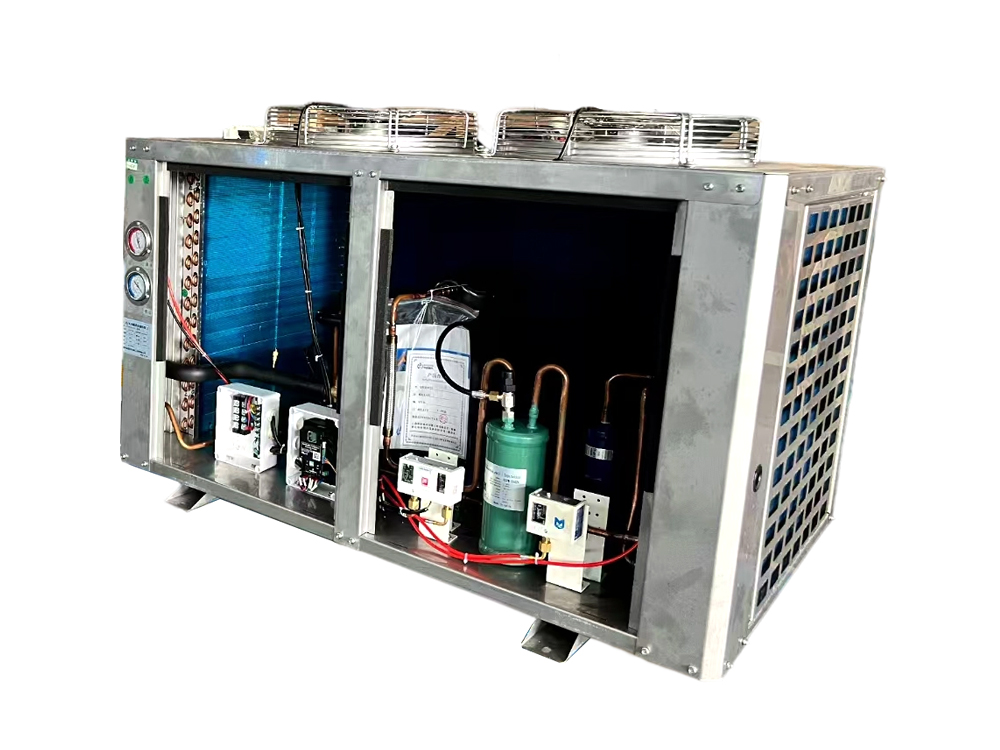
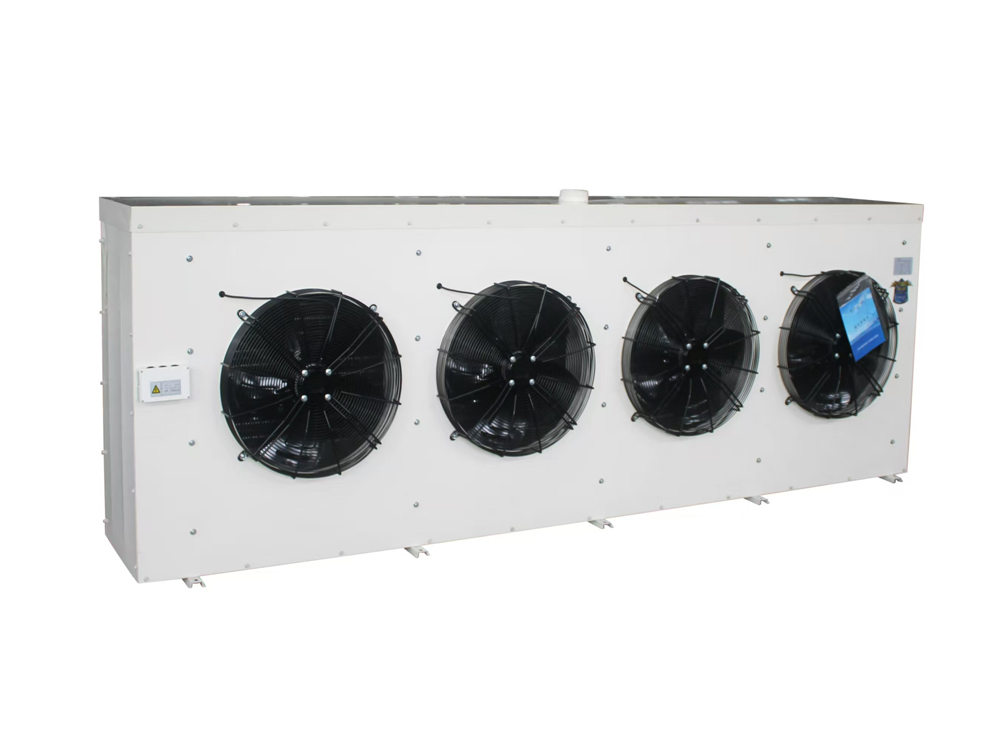
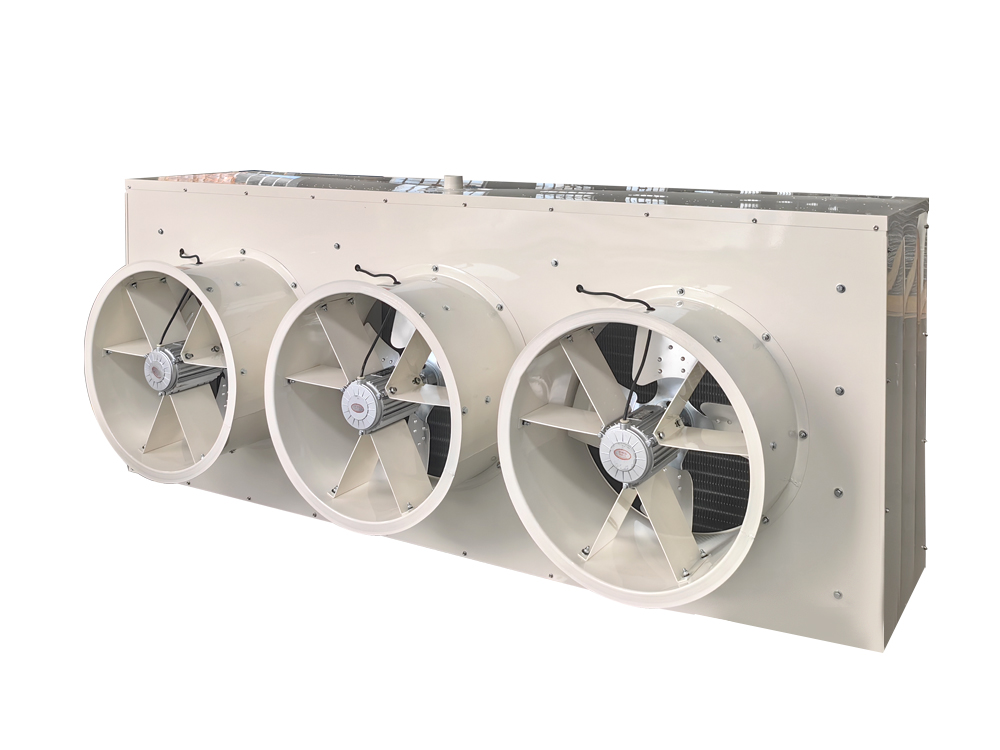
A refrigeration condensing unit is a packaged assembly that contains the compressor, condenser coil, condenser fan, receiver, and controls. It connects to an evaporator inside the cold room through refrigerant lines. Together, these components form a complete refrigeration circuit.
The condensing unit working principle is straightforward: it compresses low-pressure refrigerant gas into a high-pressure, high-temperature gas. That gas flows through the condenser coil, where heat is released to the surrounding air or water. The refrigerant then condenses into a liquid, passes through an expansion device, and returns to the evaporator to absorb heat from the cold room.
The Four Core Components Inside a Condensing Unit
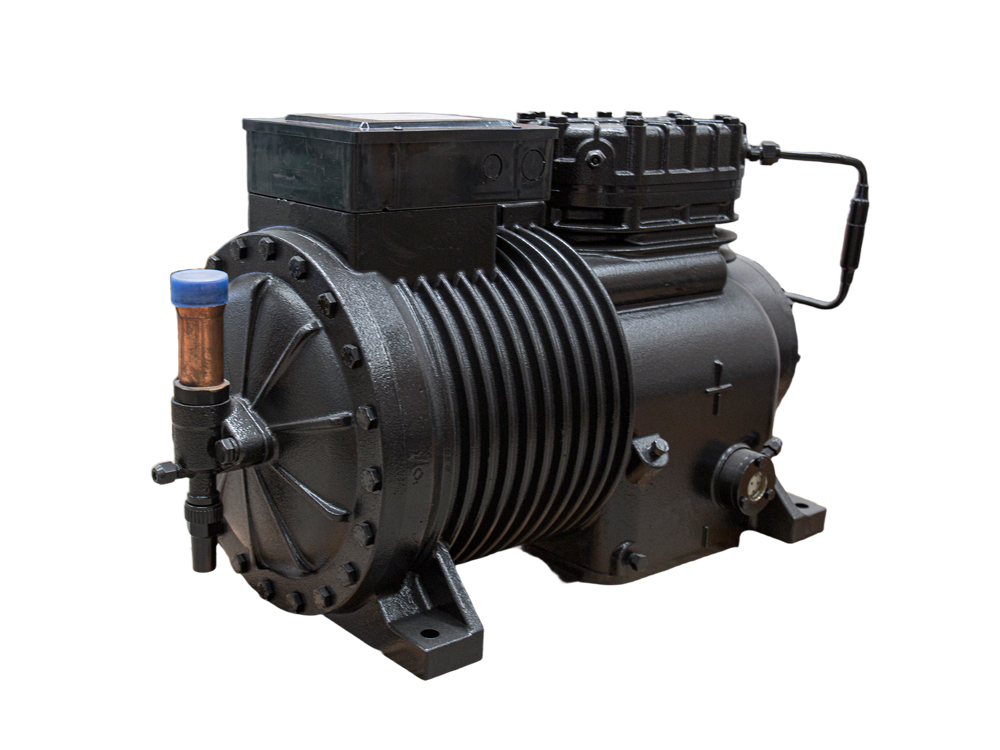
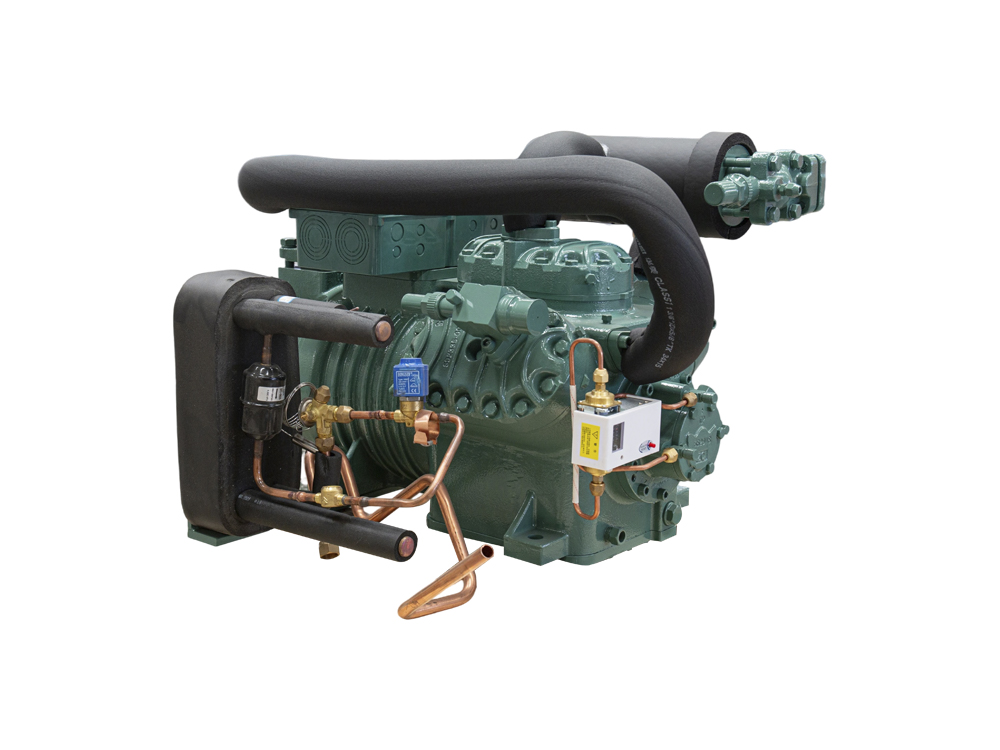
- Compressor: The pump that circulates refrigerant and creates the pressure difference needed for cooling.
- Condenser coil: The heat exchanger that releases heat absorbed from the cold room.
- Condenser fan: Moves air across the coil in air cooled models, or works with water flow in water cooled models.
- Receiver and controls: Store liquid refrigerant and regulate system operation, including pressure switches and defrost timers.
Why It Is Called the Core of the System
The evaporator absorbs heat. The expansion valve controls refrigerant flow. But the condensing unit does the heavy lifting. It determines how much heat can be removed per hour, how efficiently the system runs, and how well it performs under high ambient conditions. A mismatched or undersized condensing unit will cause long run times, high discharge temperatures, and premature compressor failure.
How to Choose the Right Refrigeration Condensing Unit for Your Application
Most buyers searching for a refrigeration condensing unit are not looking for a physics lesson. They need to know which unit fits their cold room, kitchen, pharmacy storage, or processing line. The decision comes down to three factors: application requirements, cooling capacity, and system architecture.
Match the Unit to Your Application
| Application | Typical Temperature Range | Key Requirement |
|---|---|---|
| Commercial cold storage | -18C to 5C | Stable temperature, low energy cost |
| Restaurant kitchen | -5C to 8C | Compact size, quiet operation |
| Pharmaceutical storage | 2C to 8C | Temperature uniformity, data logging |
| Food processing | -25C to 0C | High capacity, continuous duty |
Each application places different demands on the condensing unit. A pharmacy cold room needs precise temperature control and alarm capability. A food processing plant needs a unit rated for continuous operation and high ambient temperatures. A restaurant kitchen needs a compact unit that does not overwhelm the available space.
Simplified Capacity Sizing Logic
To estimate the required cooling capacity, start with the cold room volume in cubic meters. Multiply by a load factor based on the target temperature and insulation quality. For a well-insulated cold room at 0C, a factor of 8 to 10 watts per cubic meter is a reasonable starting point. For a freezer at -18C, the factor rises to 12 to 15 watts per cubic meter.
Add extra capacity for door openings, product load, and ambient conditions. A cold room in a hot climate with frequent door access needs a larger unit than the same room in a mild climate with minimal access. This simplified approach gives a rough number. A qualified supplier should confirm the final selection using a detailed heat load calculation.
Single Unit vs Parallel Rack System
A single condensing unit serves one evaporator or one cold room. It is simpler to install, easier to maintain, and more cost-effective for small to medium applications. A parallel rack system uses multiple compressors connected to a common refrigerant header, serving several evaporators at once. It is more efficient at part load and takes up less equipment room space, but it requires higher upfront investment and more complex controls.
For most cold rooms under 500 cubic meters, a single condensing unit is the practical choice. For large distribution centers or supermarkets with multiple temperature zones, a parallel system may deliver better long-term energy savings.
Practical tip: Always size the condensing unit for the worst-case ambient condition, not the average. A unit that barely meets capacity on a mild day will struggle during a heatwave, leading to high discharge pressure and compressor shutdowns.
Air-Cooled vs Water-Cooled Refrigeration Condensing Unit: Which Fits Your Project?
The choice between an air cooled condensing unit and a water cooled condensing unit affects installation cost, energy efficiency, and maintenance requirements. Neither option is universally better. The right choice depends on site conditions and operational priorities.
Performance Comparison
| Factor | Air Cooled | Water Cooled |
|---|---|---|
| Energy efficiency ratio | 1.9 to 2.5 | 4.5 to 5.7 |
| Water requirement | None | Continuous cooling water supply |
| Installation flexibility | High | Moderate |
| Performance in high ambient | Degrades above 40C | Stable if water temperature is controlled |
| Maintenance needs | Coil cleaning, fan inspection | Water treatment, scaling control |
Decision Framework
- Choose air cooled if: The site has no reliable water source, the climate is moderate, and installation simplicity is a priority.
- Choose water cooled if: Water is available at low cost, the ambient temperature is high, and energy efficiency is the primary concern.
- Consider a hybrid approach if: The site has seasonal water availability or partial load operation where efficiency matters most.
Water cooled units achieve higher efficiency because water absorbs heat more effectively than air. However, they require a cooling tower, pump, and water treatment program. Air cooled units avoid those costs but consume more electricity per unit of cooling, especially in hot climates.
What Affects the Price of a Refrigeration Condensing Unit?
When buyers search for a refrigeration condensing unit price, they are usually comparing options and building a budget. The price range is wide because condensing units vary significantly in capacity, construction, and features.
Primary Price Drivers
- Capacity: Smaller monoblock units for small cold rooms may cost between 200 and 350 US dollars. A 2.5 horsepower air cooled unit typically falls between 280 and 580 US dollars. Larger capacity units for industrial applications can exceed several thousand dollars.
- Compressor type and origin: Hermetic compressors are less expensive. Semi-hermetic and scroll compressors cost more but offer better efficiency and serviceability. Imported compressor brands carry a premium over domestic alternatives.
- Air cooled vs water cooled: Water cooled units generally cost more upfront because of the additional heat exchanger and water-side components.
- Customization: Custom voltage, special coatings for corrosive environments, and remote control options add cost.
- Certification: Units requiring CE, UL, or other certifications involve testing and documentation that increase the final price.
Price Range Reference
| Unit Type | Typical Capacity | Price Range (USD) |
|---|---|---|
| Small monoblock | 0.5 to 1 HP | 217 to 339 |
| Air cooled condensing unit | 2 to 3 HP | 278 to 578 |
| Water cooled condensing unit | 3 to 5 HP | 450 to 900 |
| Large industrial unit | 10 HP and above | 1,500 and above |
These ranges are indicative only. Final pricing depends on configuration, order quantity, and supplier location. Buyers should request a detailed quotation that specifies compressor model, condenser material, control type, and warranty terms.
How to Evaluate Refrigeration Condensing Unit Suppliers
Finding a reliable supplier is as important as choosing the right unit. B2B buyers need suppliers who can deliver on time, respond quickly to technical questions, and provide consistent quality across repeat orders.
Quantifiable Evaluation Criteria
| Metric | Target Benchmark |
|---|---|
| On-time delivery rate | 95 percent or higher |
| Response time to inquiries | 2 hours or less during business days |
| Repeat customer rate | Above 60 percent |
| Certification coverage | CE, ISO 9001, or equivalent |
| Warranty period | 12 to 24 months on major components |
Questions to Ask Before Committing
- Can the supplier provide a detailed performance curve for the proposed unit?
- What is the lead time for standard units and for customized configurations?
- Are spare parts readily available, and what is the typical delivery time for replacements?
- Does the supplier offer technical support during installation and commissioning?
- Can the supplier provide references from similar applications?
A supplier who answers these questions clearly and provides documentation is more likely to deliver a unit that performs as specified. Vague answers or reluctance to share performance data are warning signs.
Frequently Asked Questions About Refrigeration Condensing Units
Q1: What size refrigeration condensing unit do I need for a cold room?
Size depends on room volume, insulation, target temperature, and door activity. As a starting point, multiply room volume in cubic meters by 8 to 10 watts for a 0C cold room, or 12 to 15 watts for a -18C freezer. Confirm the final selection with a heat load calculation from your supplier.
Q2: Can a refrigeration condensing unit be installed outdoors?
Yes, many air cooled condensing units are designed for outdoor installation. They include weatherproof housings and are rated for ambient temperatures up to 43C or higher. Water cooled units can also be installed outdoors if the water circuit is protected from freezing.
Q3: How often should a refrigeration condensing unit be serviced?
Service intervals depend on operating conditions. In clean environments, every three to six months is typical. In dusty or high-traffic areas, monthly inspection of the condenser coil and fan is recommended. Regular service includes coil cleaning, refrigerant charge check, and electrical connection inspection.
Q4: What is the difference between a condensing unit and a compressor?
A compressor is one component inside a condensing unit. The condensing unit includes the compressor, condenser coil, fan, receiver, and controls in a single package. The compressor alone cannot reject heat to the environment without the condenser and associated components.
Q5: How do I know if my condensing unit is undersized?
Signs of an undersized unit include long run times, inability to reach the target temperature on hot days, high discharge pressure, and frequent compressor overload trips. If the unit runs continuously without cycling off, it is likely undersized for the load.
Q6: Can I replace just the compressor instead of the whole condensing unit?
In some cases, yes. However, if the existing condenser coil is corroded, the fan motor is failing, or the unit is more than 10 years old, replacing the complete condensing unit is often more cost-effective and reliable than a compressor-only replacement.
Q7: What refrigerant types are used in modern condensing units?
Common refrigerants include R404A, R507, R134a, R407C, and newer low-GWP options such as R448A and R449A. The choice depends on the target temperature, system design, and local environmental regulations.
Q8: How much does a refrigeration condensing unit cost?
Small monoblock units start around 217 to 339 US dollars. A 2.5 horsepower air cooled unit typically costs between 278 and 578 US dollars. Larger industrial units can exceed 1,500 US dollars. Final price depends on capacity, compressor type, and customization.
Get a Customized Refrigeration Condensing Unit Quote
To receive an accurate quotation, prepare the following information before contacting a supplier:
- Cold room dimensions (length, width, height)
- Target temperature and required pull-down time
- Maximum ambient temperature at the installation site
- Power supply voltage, phase, and frequency
- Whether the unit will be installed indoors or outdoors
- Any certification requirements for your market
Providing these details upfront reduces back-and-forth communication and helps the supplier recommend the correct unit the first time. A detailed quotation should include the compressor model, condenser specifications, control type, warranty terms, and estimated delivery time.


 Contact Number:+86-18858565929
