

 English
 русский
 Español
What Is a Refrigeration Condensing Unit and Why It's the Heart of Your Cold Room
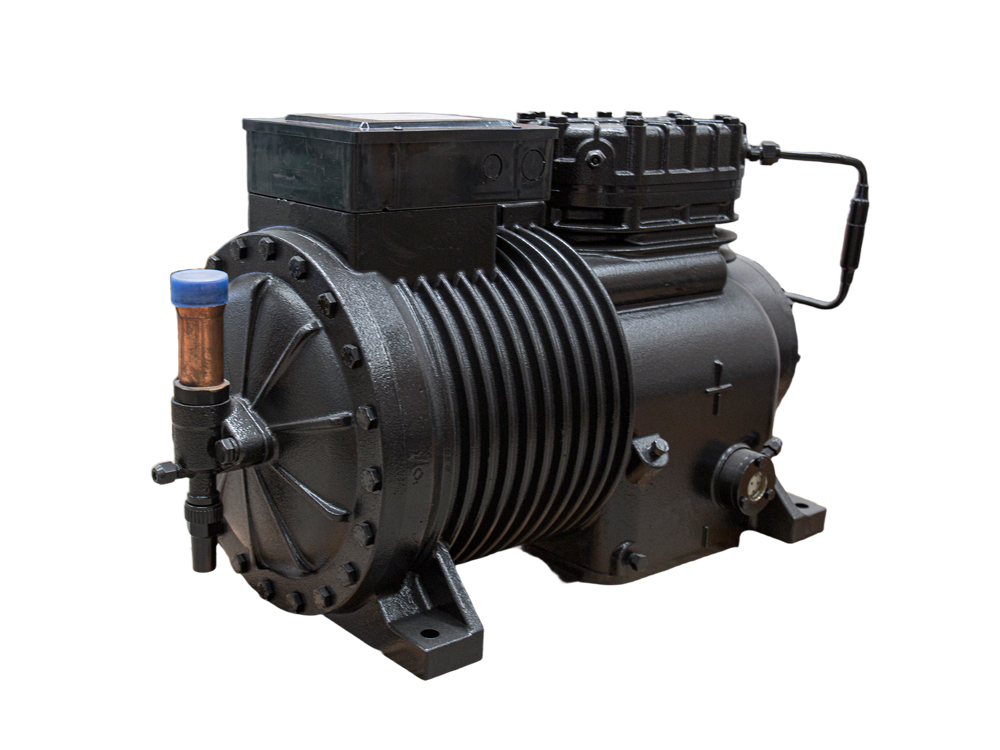
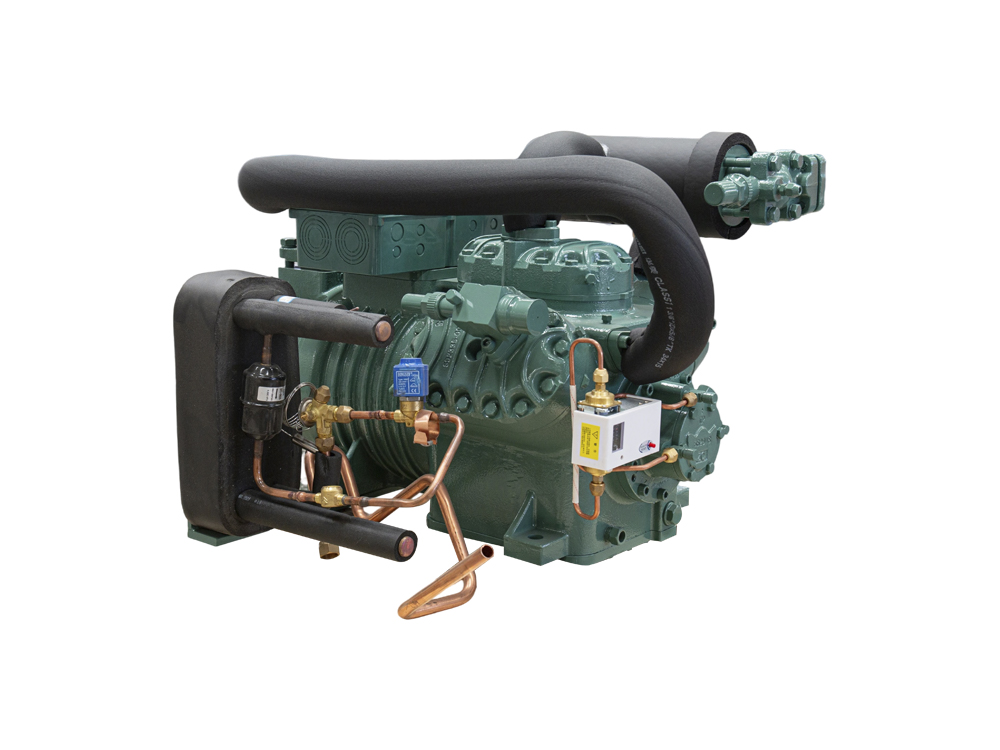
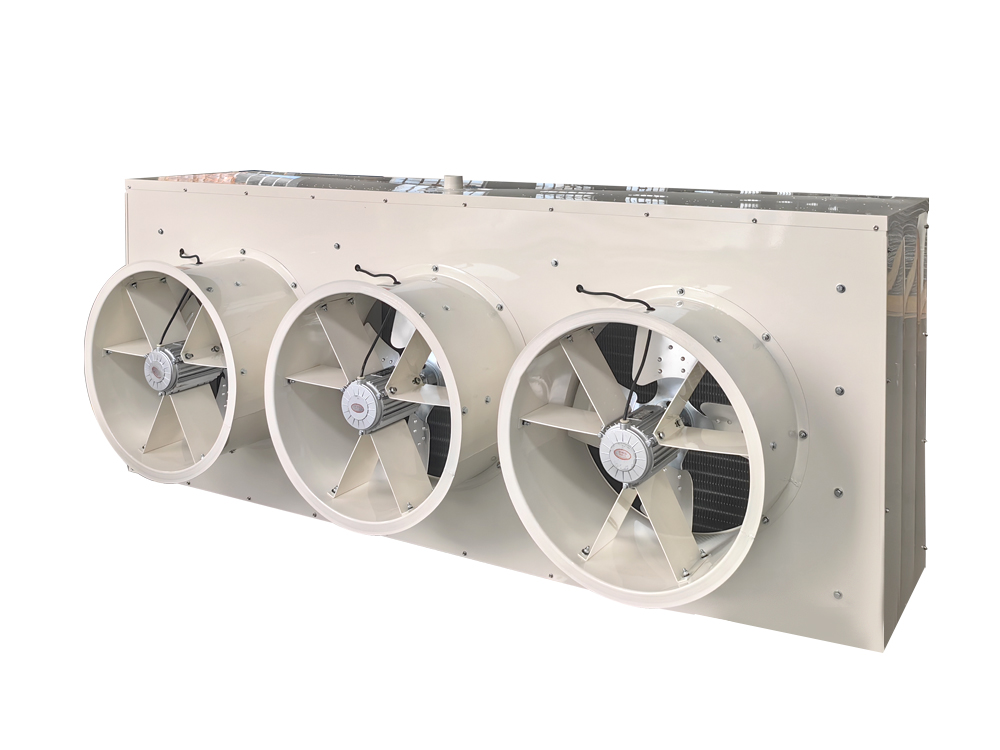
A refrigeration condensing unit represents far more than just another component in your cold storage system. It serves as the critical heart that converts gaseous refrigerant back into liquid form, enabling the entire cooling cycle to function. The system comprises a compressor that pressurizes the refrigerant gas, a condenser that dissipates heat to the surrounding environment, and a receiver tank that stores liquid refrigerant before it circulates through the rest of your installation.
Understanding how these components work together reveals why selecting the wrong condensing unit creates cascading problems. When oversized units cycle on and off inefficiently, they waste energy and reduce compressor lifespan. When undersized units struggle to maintain temperature, products spoil and operating costs soar. The consequences extend beyond immediate performance failures into long-term reliability and profitability concerns.
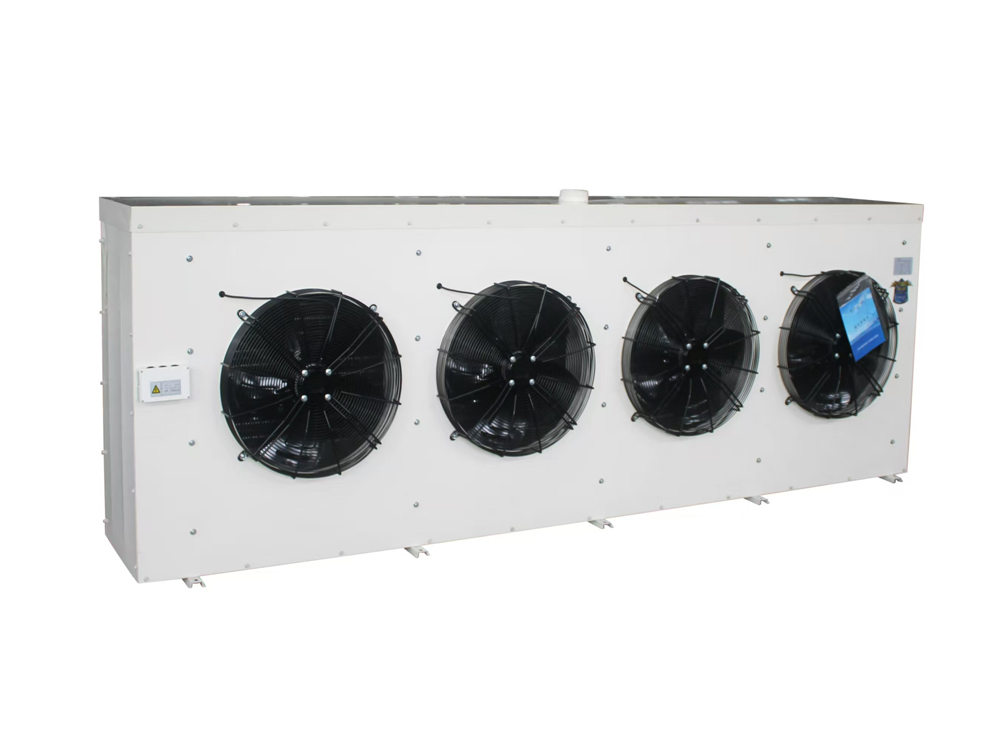
The refrigeration cycle itself operates through four fundamental stages: the compressor raises refrigerant pressure and temperature, the condenser rejects heat and transitions refrigerant to liquid state, the expansion device reduces pressure, and the evaporator absorbs heat from your cold room environment. Each stage depends on precise conditions, and your condensing unit maintains the pressure differential that drives this entire system. Choosing incorrectly at this stage impacts efficiency, safety, and operating expenses for years to come.
How to Size a Refrigeration Condensing Unit for Your Cold Room: Step-by-Step Approach
Proper sizing begins with calculating the total cooling load your installation must handle. This calculation combines multiple heat sources that would otherwise warm your storage space throughout the day.
Understanding Your Cooling Load Components
- Product heat load: The thermal energy in incoming merchandise that must be cooled to storage temperature
- Transmission load: Heat flowing through walls, ceilings, and floors based on insulation quality and temperature differential
- Infiltration load: Heat entering when doors open, introducing warm air that must be cooled
- Equipment heat: Energy released by motors, lights, and fans operating inside the space
- Personnel load: Body heat from workers moving through the cold room during operation
The Practical Sizing Framework
Rather than complex engineering calculations that require specialized software, most facility operators use industry-proven approximations. For a standard low-temperature active storage room, multiply the room volume in cubic meters by 110 watts per cubic meter, then apply a 1.2 safety factor. Add an additional 300 to 800 watts to account for peak conditions and system flexibility. This simplified approach accounts for typical insulation standards and operational patterns in cold storage applications.
However, this baseline requires adjustment based on your specific circumstances. High-throughput operations with frequent door openings need 15 to 25 percent additional capacity. Installations in hot climates demand 10 to 20 percent increases. Conversely, well-sealed facilities with infrequent access may operate efficiently with baseline capacity.
Matching Capacity to Operating Conditions
| Operating Scenario | Evaporator Load Range | Compressor Behavior |
|---|---|---|
| Below 65% of rated capacity | Refrigerant velocity too low | Poor oil circulation risk |
| 65% to 90% of rated capacity | Optimal efficiency zone | Maximum service life |
| Above 90% of rated capacity | High temperature rise | Accelerated wear patterns |
Your evaporator should operate comfortably between 65 and 90 percent of its rated cooling capacity during normal conditions. This ensures the compressor circulates sufficient oil for bearing protection while avoiding excessive temperature rise that accelerates component degradation. If your calculated load falls outside this window, you need either a different unit size or supplementary equipment modifications.
Common Sizing Mistakes That Cost Money
Operators frequently select units based solely on refrigeration tonnage without considering actual operating conditions. A 10-ton unit rated at standardized conditions may only deliver 7 tons in your hot climate environment, creating a hidden capacity deficit. Others ignore the evaporator specifications and attempt to force incompatible components together, resulting in poor heat transfer and system struggle. The most expensive mistake involves selecting an oversized unit expecting better performance, only to discover it short-cycles constantly, wasting energy and reducing service life by half or more.
Air-Cooled vs Water-Cooled Refrigeration Condensing Units: Making the Right Choice
Condensing units employ one of two fundamental cooling methods, each with distinct advantages suited to different circumstances. Understanding these differences prevents costly selection errors and operational challenges.
Air-Cooled Condensing Units: Characteristics and Applications
Air-cooled units reject heat directly to the surrounding atmosphere using fan-driven airflow across the condenser coils. This design eliminates external infrastructure requirements, making it portable and straightforward to install. The fan runs when cooling demand exists, automatically adjusting to ambient temperature changes.
However, performance degrades rapidly as outside temperature rises. On days when the ambient temperature exceeds 35°C, an air-cooled unit's condensing temperature climbs significantly, reducing capacity by 10 to 20 percent or more. The cooling fan consumes additional power as it works harder to move heat, increasing operating costs during peak seasons when efficiency matters most. Noise generation from the fan can exceed 75 decibels, creating workplace challenges in facilities with offices or customer areas nearby.
Air-cooled units excel in moderate climates, seasonal operations, or situations where water supply is unavailable or restricted. They work well in northern facilities that experience cool evenings enabling overnight rest periods for the equipment.
Water-Cooled Condensing Units: Characteristics and Applications
Water-cooled units transfer heat to a circulating water stream, typically managed through a cooling tower or similar device. This approach maintains consistent condensing temperatures regardless of ambient conditions, delivering steady capacity throughout the year. A water-cooled system operating at 35°C ambient maintains the same condensing temperature as an air-cooled unit in 25°C ambient, creating inherent efficiency advantages.
The tradeoff involves infrastructure complexity. Your facility must supply water circulation, maintain water chemistry to prevent scaling and corrosion, and operate cooling towers requiring regular maintenance. In regions with water scarcity or high water costs, ongoing expenses accumulate significantly. Initial installation costs exceed air-cooled alternatives due to piping, cooling equipment, and control systems.
Water-cooled units deliver superior performance in hot climates, high-load applications, or facilities with year-round heavy operation. They reduce overall electrical consumption by 15 to 30 percent compared to air-cooled alternatives in warm climates, offsetting higher installation costs over a 10-year operating period.
Detailed Comparison Framework
| Factor | Air-Cooled | Water-Cooled |
|---|---|---|
| Installation complexity | Minimal infrastructure needed | Cooling tower and piping required |
| Performance in hot climates | Degrades significantly | Remains consistent |
| Annual energy consumption (tropical) | Baseline reference point | 20-30% lower than air-cooled |
| Maintenance requirements | Fan and coil cleaning only | Water chemistry and tower servicing |
| Portability | Can be relocated if needed | Fixed permanent installation |
| Operating noise level | 70-80 decibels from fan | 35-45 decibels (quieter operation) |
| Water consumption | None required | Continuous circulation needed |
Decision Matrix for Your Specific Situation
Select air-cooled units when your facility operates in moderate climates with summer temperatures typically below 30°C, when water supply is limited or unreliable, when you need equipment portability, or when budgets constrain initial capital investments. Select water-cooled units when ambient temperatures regularly exceed 32°C, when energy efficiency is a primary concern, when your facility can support cooling tower infrastructure, or when noise reduction matters for nearby offices or residential areas.
Matching Your Condensing Unit with the Right Evaporator and Refrigerant Selection
Evaporator Matching Principles
Your condensing unit must pair with an evaporator designed for compatible operation. The cooling capacity must align closely with your condensing unit's output, typically within 5 to 10 percent variation. Too much mismatch in either direction creates inefficiency and operational problems.
Temperature differential settings between the evaporator and the environment require careful consideration. A 5°C differential provides efficient operation, while 10°C or greater differentials demand higher power consumption but deliver faster temperature response. Your choice depends on whether priority is energy economy or quick response capability.
Defrost methodology selection—either hot gas, electric, or warm water defrosting—must match your evaporator design and refrigerant choice. Improper combinations reduce heat transfer efficiency and can cause equipment damage during defrost cycles.
Refrigerant Options and Selection Guidance
R404A: Traditional High-GWP Option
R404A dominated cold storage applications for decades as a reliable hydrocarbon-based refrigerant. However, its extremely high global warming potential of 3,922 makes it problematic under modern environmental regulations. The European Union has progressively restricted R404A, and many other markets follow similar trajectories. New installations increasingly require alternatives, though retrofitting existing systems remains an option in jurisdictions where it remains legal.
R134A: Medium-Temperature Standard
R134A serves mid-temperature applications effectively with moderate global warming potential and stable performance across a wide operating range. It works well in reach-in coolers and medium-load cold rooms where temperatures stay above -5°C. Its lower environmental impact compared to R404A makes it acceptable in most markets, though not optimal from a climate perspective. Existing infrastructure often supports R134A easily, and oil compatibility issues rarely occur.
CO2 (R744): Future-Forward Solution
Carbon dioxide offers the lowest global warming potential at 1, making it environmentally superior. However, CO2 requires higher system pressures, necessitating specialized equipment designed specifically for this refrigerant. Costs run significantly higher than traditional alternatives, and technical expertise for installation and maintenance becomes critical. CO2 systems work exceptionally well in moderate climates but face efficiency challenges in very hot environments. This refrigerant represents the direction regulatory frameworks are pushing the industry, despite current implementation challenges.
R290: Hydrocarbon Option with Restrictions
Propane (R290) offers excellent efficiency and environmental characteristics but presents significant flammability risks. Regulations restrict its use to very small quantities in sealed systems, limiting application primarily to compact self-contained units. Larger cold storage installations cannot employ this refrigerant due to safety concerns. Consider this option only for smaller applications where regulatory approval exists and safety can be guaranteed.
Regulatory Compliance Considerations
If your equipment will be exported to Europe, F-Gas regulations govern refrigerant choices and require specific leak detection systems on larger installations. North American shipments must comply with EPA Section 608 requirements and Montreal Protocol restrictions. Facilities in rapidly developing markets may have fewer restrictions currently, but regulatory tightening typically follows within 5 to 10 years. Selecting future-proof refrigerant options protects your investment from regulatory changes.
How to Evaluate Refrigeration Condensing Unit Suppliers in China
China manufactures the majority of globally-traded refrigeration equipment, with suppliers ranging from small workshops to sophisticated industrial manufacturers. Distinguishing between reliable partners and problematic vendors requires systematic evaluation across multiple dimensions.
Technical Capability Assessment
Evaluate whether suppliers maintain internal research and development capabilities or simply assemble components from external sources. Manufacturers with engineering teams can accommodate custom specifications, modify component selections to match your refrigerant preferences, and redesign control systems for special applications. These capabilities matter significantly when your project has specific requirements that standard products cannot address.
Request documentation of their design and testing facilities. Suppliers operating dedicated laboratories can validate performance claims and troubleshoot issues systematically. Manufacturers relying entirely on external testing lack the infrastructure to solve problems independently, creating delays when complications arise.
Operational Reliability Indicators
On-time delivery rates exceeding 95 percent indicate reliable operations and realistic production scheduling. Suppliers consistently failing to meet timelines either overcommit their capacity or operate with poor quality control causing rework delays. Request reference customers and verify their experience with delivery performance.
Response time to technical inquiries should not exceed 2 hours during business hours. Slow responses during project development suggest staffing challenges or disorganization that will compound during production problems. Quick responsiveness indicates strong internal communication and accessible technical expertise.
Repeat customer rates above 15 percent of annual sales demonstrate genuine customer satisfaction. When satisfied customers place new orders repeatedly, it proves the supplier delivered on promises and resolved issues satisfactorily. High first-time customer volume without repeat business suggests initial quality problems that emerge during operation.
Compliance and Certification Documentation
Certification to ISO 9001 standards indicates documented quality management systems, though certification alone does not guarantee quality—verification through audits matters. CE marking compliance is essential for European exports. RoHS certification confirms hazardous substance restrictions are met. Manufacturers without these basic certifications typically cannot export to major markets, suggesting domestic-only operations with limited experience in international requirements.
Geographic Supply Cluster Characteristics
Zhejiang Province: The most export-oriented region with extensive international experience. Manufacturers here understand foreign regulatory requirements, maintain quality standards for major markets, and have established logistics networks. Pricing reflects premium positioning due to competitive pressures within the cluster. Lead times run 4 to 6 weeks standard.
Shandong Province: Known for strong engineering capabilities and custom project work. These suppliers excel at complex installations requiring specialized designs. Pricing moderate relative to Zhejiang. Good for projects with specific technical requirements or moderate volumes. Lead times typically 5 to 7 weeks.
Fujian Province: Strategic location provides advantageous sea freight access, lowering export logistics costs. Competitive pricing with reasonable quality standards. Best suited for price-sensitive projects prioritizing cost over maximum performance. Lead times 6 to 8 weeks.
Henan Province: Emerging cluster combining competitive labor costs with improving technical standards. Growing presence among suppliers serving developing markets. Quality increasingly acceptable for non-critical applications. Pricing significantly lower than established clusters. Lead times 6 to 10 weeks, with occasional delays.
Price Range Reference Framework
| Equipment Type | Typical Capacity | Price Range (USD) | Typical Lead Time |
|---|---|---|---|
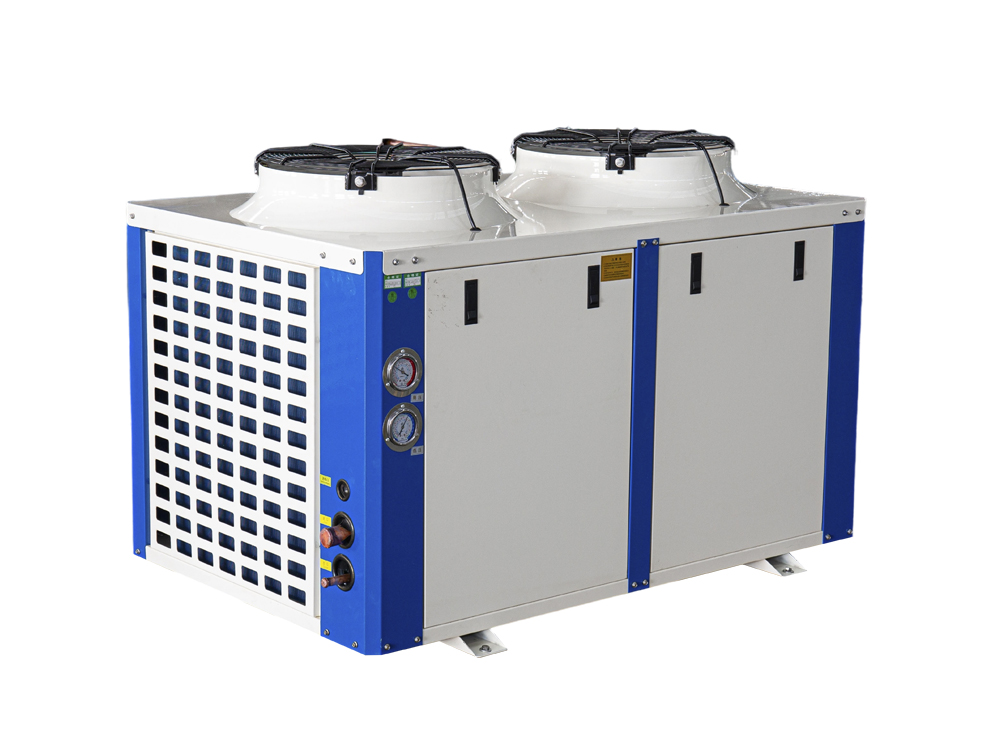
| Compact monoblock air-cooled | 3 horsepower | 217-339 | 4-6 weeks |
| Air-cooled condensing unit | 2.5 horsepower | 278-578 | 5-7 weeks |
| Water-cooled condensing unit | 5 horsepower | 445-890 | 6-8 weeks |
| Custom engineered unit | Varies by spec | 1200+ | 8-12 weeks |
Pricing within these ranges depends on component selection, customization extent, order volume, and supplier positioning. Quotes below the range often indicate corners being cut on component quality or design. Quotes significantly above the range may reflect customization, premium components, or excessive profit margins. Request detailed specifications explaining any premium pricing.
Due Diligence Checklist Before Committing
- Request three customer references from similar projects completed within the past 18 months
- Verify all certifications through official databases rather than relying on supplier claims
- Demand detailed technical drawings and component specifications before payment
- Confirm production timeline and establish penalty clauses for late delivery in the contract
- Negotiate payment terms protecting yourself (deposit, staged payments, final payment on inspection)
- Require factory inspection rights before shipment or authorize third-party inspection services
- Clarify warranty terms, technical support availability, and replacement parts access
Installation, Commissioning, and Ongoing Maintenance Essentials
Pre-Installation Assessment and Preparation
Before your condensing unit arrives, verify the installation location meets specifications. The space should provide adequate clearance on all sides for air circulation and maintenance access. Supports must handle the equipment weight plus vibration loads without deflection. Electrical supply must meet voltage and phase requirements exactly, with dedicated breakers and ground connections.
Piping routes should minimize length and maximize accessibility. Vibration isolation mounts prevent noise transmission to the building structure. Adequate drainage for defrost water and cleaning must exist. Temperature stability at the installation site matters—units installed in locations experiencing extreme temperature swings may require supplementary insulation or environmental controls.
Commissioning Procedures and Testing
Successful commissioning begins with a complete visual inspection comparing the delivered unit against specifications. Refrigerant system leaks must be identified and corrected before operation commences. System pressurization confirms structural integrity and sealing adequacy.
Run the unit through complete startup sequences including compressor engagement, condenser fan operation, and pressure stabilization. Monitor discharge temperature and pressure against design specifications. Operating the system through a full defrost cycle verifies all components function correctly. Temperature response in the connected cold room should match design expectations within 48 hours of continuous operation.
Never operate a condensing unit on minimum charge—adequate refrigerant ensures proper oil circulation, bearing protection, and discharge temperature control. Undercharged systems fail prematurely regardless of other factors.
Maintenance Schedule for Extended Service Life
Monthly inspections involve checking condenser coil cleanliness and removing debris accumulation. Verify discharge temperature and pressure readings remain within normal ranges. Listen for unusual noises indicating bearing wear or refrigerant system problems.
Quarterly deep cleaning of condenser coils removes dust, pollen, and scale preventing heat transfer degradation. Check electrical connections for corrosion or loosening. Inspect vibration isolation mounts for deterioration requiring replacement.
Annual professional servicing includes complete system pressure testing, refrigerant sampling for water and acid analysis, bearing and seal inspection, and control system calibration. Documentation of these services creates an audit trail valuable if problems develop later.
Preventive maintenance costs approximately 5 to 10 percent of equipment value annually but prevents emergency failures costing 10 times more. Deferred maintenance accelerates component deterioration exponentially—each missed service cycle reduces remaining equipment life.
Frequently Asked Questions About Refrigeration Condensing Units
Q1: What size refrigeration condensing unit do I need for a walk-in cooler?
Multiply your cooler volume in cubic meters by 110 watts, apply a 1.2 safety factor, and add 300-800 watts for peak conditions and flexibility. Adjust upward by 15-25 percent for high-traffic operations with frequent door openings. For example, a 10 cubic meter cooler would need approximately 1,320 to 1,600 watts baseline capacity. Verify this aligns with your specific operating conditions including climate and usage patterns before finalizing your selection.
Q2: Is it better to use a remote or self-contained condensing unit?
Remote installations with separate condensing units provide installation flexibility, allow equipment placement away from the cold room reducing noise and heat dissipation in occupied areas, and enable future capacity upgrades by replacing just the condensing unit. Self-contained monoblock units cost less initially, require simpler installation, and occupy less space. Choose remote systems for permanent installations and operations prioritizing efficiency. Choose self-contained units for temporary installations, space-constrained environments, or budget-limited projects.
Q3: How much does a refrigeration condensing unit cost?
Compact 3-horsepower units range from 217 to 339 dollars, while more substantial 5-horsepower water-cooled systems run 445 to 890 dollars. Custom engineered units for specialized applications exceed 1,200 dollars depending on complexity. Pricing depends on capacity, cooling method (air vs water), customization extent, component quality, manufacturer location, and order volume. Request quotes from multiple suppliers to establish realistic pricing for your specific requirements.
Q4: What refrigerant is best for a cold room condensing unit?
R134A works well for medium-temperature applications with acceptable environmental impact and proven reliability. CO2 offers superior environmental performance but requires specialized equipment and higher costs. R404A remains functional but faces regulatory restrictions in many markets. Select based on your application temperature range, export destination, environmental priorities, and budget constraints. Consult with your supplier regarding which refrigerants they recommend and support for your specific operating conditions.
Q5: How do I maintain a refrigeration condensing unit?
Perform monthly visual inspections checking for debris, unusual noises, and normal pressure readings. Clean condenser coils quarterly to maintain heat transfer efficiency. Complete annual professional servicing including pressure testing, refrigerant analysis, and component inspection. Document all maintenance activities. Maintain adequate refrigerant charge at all times. Address any performance changes immediately rather than allowing problems to worsen. Preventive maintenance extends equipment life and prevents expensive emergency failures.
Q6: Can I upgrade my existing condensing unit to a larger capacity model?
Yes, if your evaporator, piping, and electrical infrastructure can support the increased capacity. Verify the new unit's refrigerant type compatibility with existing components. Check that electrical supply voltage and amperage suffice for the larger compressor. Confirm piping diameters properly match the new unit's flow requirements. Professional engineering assessment should precede any upgrade to prevent incompatibility issues and premature component failure.
Q7: What happens when a condensing unit is oversized?
Oversized units short-cycle constantly, running briefly then shutting off as the space quickly reaches target temperature. This inefficient operation wastes energy, reduces compressor lifespan through frequent starts, and prevents proper lubrication circulation. Oil deteriorates faster, and bearing wear accelerates. Operating costs exceed what properly sized equipment would consume, offsetting any perceived capacity benefit. Equipment purchased at premium prices fails prematurely, creating worst-case financial outcomes.
Q8: How long should a refrigeration condensing unit typically last?
Well-maintained equipment operating within design parameters typically functions for 10 to 15 years before major component replacement becomes necessary. Some units surpass 20 years with meticulous maintenance and favorable operating conditions. Poorly maintained equipment or units operating beyond design capacity may fail within 5 years. Preventive maintenance, proper sizing, and adherence to operating guidelines directly determine whether your unit reaches 20 years or fails at 5 years.
Get Your Customized Refrigeration Condensing Unit Quote Today
Selecting the right condensing unit for your cold storage operation demands careful consideration of sizing, equipment type, refrigerant selection, and supplier reliability. This comprehensive guide has covered the technical foundations you need to make informed decisions. The final step involves connecting with experienced manufacturers who can translate your requirements into optimized equipment specifications.
Successful cold room operations begin with correct initial selection and reliable supplier partnerships. Gather the essential information required for accurate quoting before approaching potential suppliers. Document your facility specifications, operating expectations, climate conditions, and any special requirements.
Information Required for Accurate Quote Requests
- Cold room dimensions and total volume to be refrigerated
- Target storage temperature and ambient operating conditions
- Expected product types and incoming temperature
- Facility location and local climate conditions
- Installation timeline and budget parameters
- Power supply specifications and electrical access
- Any regulatory requirements specific to your region or export destination
- Preference for air-cooled versus water-cooled technology
- Desired equipment size and space constraints
With this information prepared, reach out to qualified manufacturers. Professional suppliers will ask clarifying questions to ensure their recommendations precisely match your actual needs rather than generic assumptions. Compare quotes on value delivered rather than price alone—the lowest cost unit from an unreliable supplier creates exponentially higher costs through downtime and premature failure.
Trust signals worth evaluating include detailed technical drawings in quotes, willingness to clarify specifications, professional communication, reasonable lead times, and documentation of certifications. Manufacturers offering comprehensive technical support and accessible service after purchase demonstrate confidence in their products and commitment to your success.
The investment in a quality condensing unit and reliable supplier relationship returns value through reliable operations, lower energy consumption, extended equipment lifespan, and minimal emergency disruptions. Begin your sourcing process today by gathering your facility specifications and contacting multiple qualified manufacturers for detailed quotes and technical discussions.


 Contact Number:+86-18858565929
