

 English
 русский
 Español
Content
- 1 Understanding the Basics of Condensing Units
- 2 Core Components of a Condensing Unit
- 3 Types of Condensing Units Explained
- 4 How a Condensing Unit Works: The Refrigeration Cycle
- 5 Air Cooled vs Water Cooled Condensing Units: A Detailed Comparison
- 6 How to Select the Right Condensing Unit for Your Application
- 7 Essential Maintenance for Optimal Condensing Unit Performance
- 8 Common Condensing Unit Problems and Solutions
- 9 Maximizing Energy Efficiency in Your Condensing Unit Operation
- 10 Frequently Asked Questions About Condensing Units
- 10.0.1 Q1: What is the difference between a condensing unit and a complete refrigeration system?
- 10.0.2 Q2: How often should I perform maintenance on my condensing unit?
- 10.0.3 Q3: Can I repair my own condensing unit?
- 10.0.4 Q4: What refrigerants are currently recommended for new condensing units?
- 10.0.5 Q5: How can I determine if my condensing unit is oversized or undersized?
- 10.0.6 Q6: What causes reduced efficiency in air cooled condensing units during summer?
- 10.0.7 Q7: Are water cooled condensing units always more efficient than air cooled models?
- 10.0.8 Q8: What safety features should my condensing unit have?
Understanding the Basics of Condensing Units
A condensing unit is one of the most critical components in modern refrigeration and air conditioning systems. Whether you are managing a commercial cold storage facility, maintaining industrial cooling equipment, or operating a residential HVAC system, understanding how this component functions is essential for optimal performance and energy efficiency.
At its core, a condensing unit serves a fundamental purpose: converting hot refrigerant vapor into liquid form by removing heat. This phase transformation is essential for the refrigeration cycle to continue functioning effectively. Without a properly operating condensing unit, your entire cooling system would fail to maintain the desired temperatures.
The condensing unit acts as the bridge between the compressor and the expansion device in any refrigeration circuit. It captures the heat that the refrigerant has absorbed from the cooled space and releases this energy to the surrounding environment, whether that is outdoor air or water.
Core Components of a Condensing Unit
Every condensing unit, regardless of type or capacity, consists of several essential components working in perfect harmony. Understanding these parts helps you identify potential issues and maintain your system properly.
The Condenser Coil
The condenser coil is the heart of any condensing unit. This heat exchanger allows the hot refrigerant vapor to pass through its tubes while air or water flows across the exterior surface. The temperature difference between the refrigerant and the cooling medium causes heat to transfer from the refrigerant to the surroundings. As the refrigerant loses heat, it gradually transitions from a vapor to a liquid state. The efficiency of this coil directly impacts the overall performance of your refrigeration system.
The Compressor
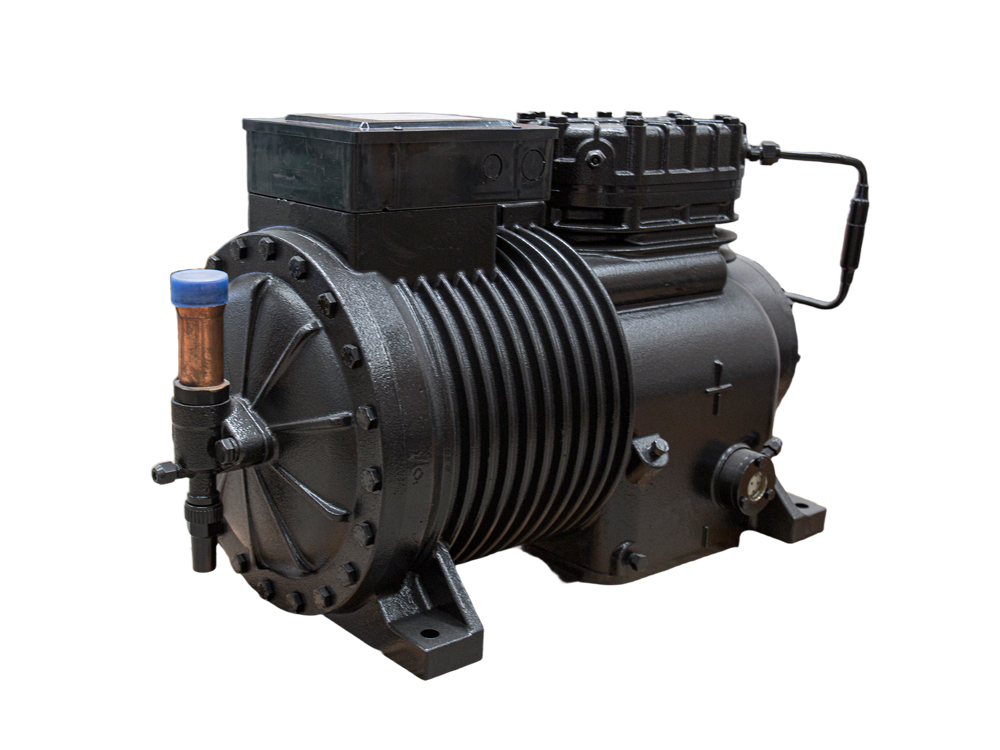
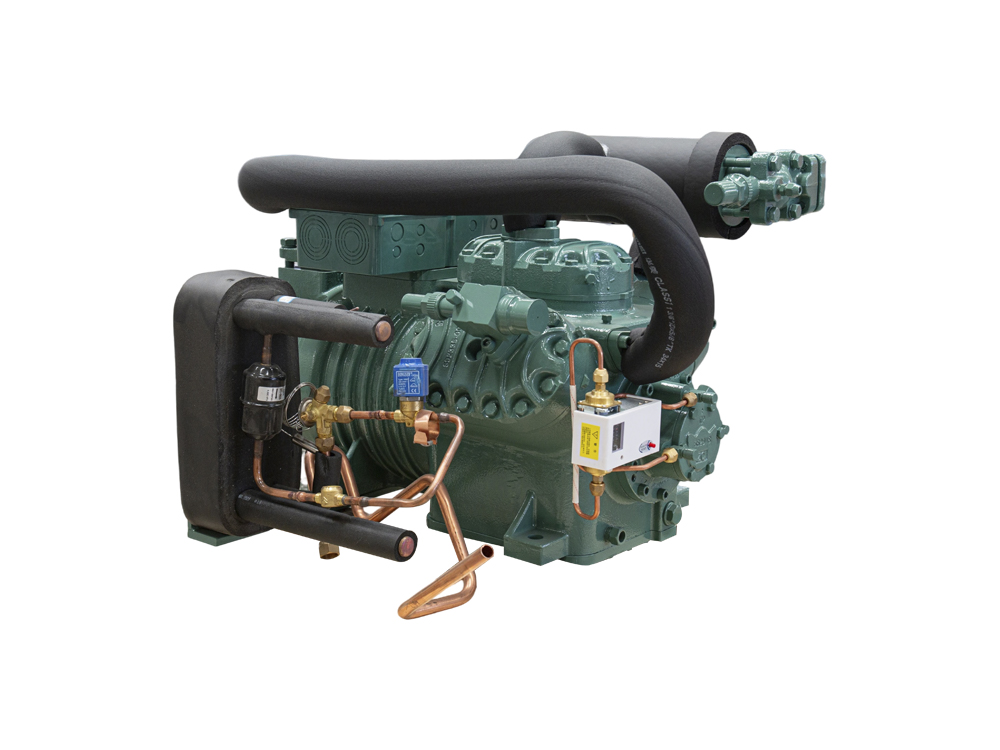
The compressor pumps refrigerant vapor from the evaporator and pressurizes it before sending it to the condenser. In many condensing unit designs, the compressor is integrated into the unit itself, making it a self-contained system. The compressor can be reciprocating, scroll, or rotary depending on the application and capacity requirements.
The Fan or Pump
For air cooled condensing units, a fan circulates ambient air across the condenser coil. For water-cooled systems, a pump circulates cooling water. These circulation mechanisms are essential for maintaining efficient heat transfer. The fan or pump operates based on demand, often controlled by temperature or pressure sensors that activate the equipment when the refrigerant temperature rises above acceptable levels.
The Receiver Tank
Many condensing units include a receiver tank that stores liquid refrigerant. This storage vessel allows the system to handle fluctuations in refrigerant demand and provides a safety buffer during operation. The receiver also helps separate any entrained oil from the refrigerant before it reaches the expansion device.
Control and Safety Components
Modern condensing units incorporate multiple safety features including high-pressure switches, low-pressure switches, thermal overload protection, and temperature sensors. These components monitor system conditions continuously and shut down the unit if dangerous pressures or temperatures are detected. Control boards regulate fan speed, compressor operation, and defrosting cycles when applicable.
Types of Condensing Units Explained
Condensing units are categorized primarily by their cooling method and the temperature range they maintain. Selecting the correct type for your application is crucial for achieving reliable performance and cost-effectiveness.
Air Cooled Condensing Units
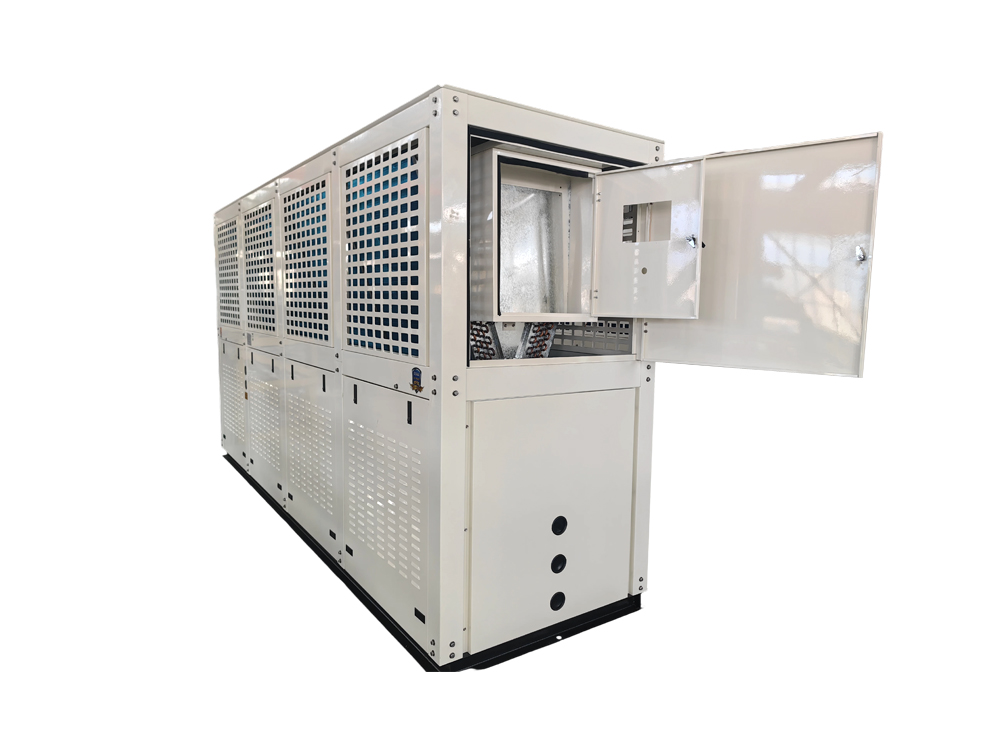
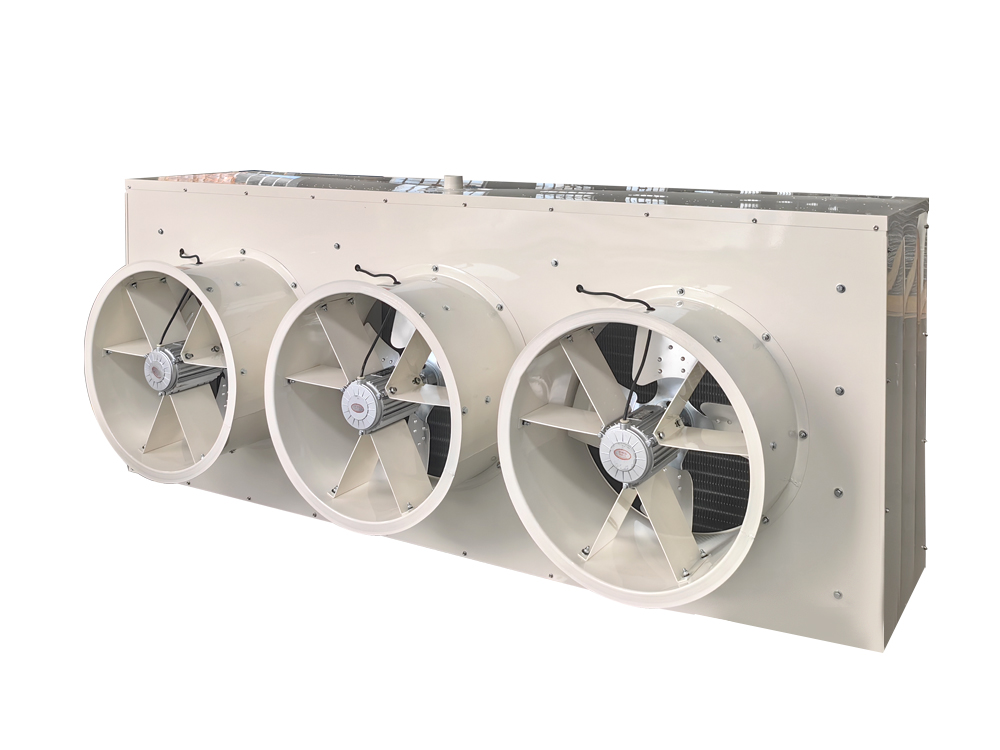
Air cooled systems remain the most common type due to their simplicity and lower installation costs. These units use atmospheric air as the cooling medium, with a fan forcing air across the condenser coil. Air cooled condensing units work effectively in most climates but require adequate space for air circulation around the unit. The efficiency of these systems decreases slightly in hot weather when the ambient air temperature is already elevated. Regular cleaning of the coil fins prevents dust and debris from reducing heat transfer efficiency.
Water Cooled Condensing Units
Water cooled systems use water or a water-glycol mixture as the heat transfer medium. These units offer superior heat transfer characteristics compared to air cooled alternatives, resulting in smaller physical size and higher capacity per unit volume. Water cooled condensing units maintain consistent performance regardless of ambient air temperature, making them ideal for hot climates or indoor installations where air cooling is impractical. However, they require a reliable water source and proper water treatment to prevent scaling and corrosion.
Temperature Classification
Condensing units are also classified by the temperature applications they serve:
- Low temperature units maintain temperatures below minus 18 degrees Celsius and operate at higher pressure differentials
- Medium temperature units handle freezing temperatures between 0 and minus 18 degrees Celsius
- High temperature units manage temperatures above 0 degrees Celsius for applications like regular refrigeration and air conditioning
Each category requires different refrigerants, oil types, and component specifications to handle the specific pressures and temperatures involved.
How a Condensing Unit Works: The Refrigeration Cycle
Understanding the operating principles of a condensing unit requires familiarity with the basic refrigeration cycle. This four-stage process represents the foundation of all mechanical cooling systems.
Stage 1: Compression
The process begins in the compressor, which takes low-pressure refrigerant vapor from the evaporator and compresses it to a much higher pressure. Compression raises both the temperature and pressure of the refrigerant significantly. At this stage, the refrigerant is superheated vapor at high temperature and pressure. This high-energy refrigerant then flows into the condenser section of the condensing unit.
Stage 2: Condensation
As the hot, pressurized refrigerant vapor enters the condenser coil, it comes into contact with the cooling medium—either air or water. The temperature difference between the refrigerant and this cooling medium causes heat to flow from the refrigerant into the surrounding medium. As the refrigerant loses heat, its temperature drops gradually. When the refrigerant temperature falls below its saturation temperature for the current pressure, the vapor begins to condense into liquid. This phase change releases significant energy known as latent heat of condensation.
Stage 3: Subcooling
In optimally designed condensing units, the liquid refrigerant continues to travel through the bottom portion of the condenser coil, encountering even cooler surfaces. This additional heat removal, called subcooling, ensures the refrigerant enters the expansion device as completely liquid rather than a dangerous vapor-liquid mixture.
Stage 4: Storage and Supply
The liquid refrigerant collects in the receiver tank, where it remains at constant pressure and temperature until needed by the expansion device. The receiver acts as a buffer, allowing the system to maintain stable operation even as demand fluctuates. When the system requires additional refrigerant flow to the evaporator, the expansion device restricts this liquid flow, causing pressure to drop dramatically and the refrigerant to evaporate in the evaporator section of the cooled space.
Air Cooled vs Water Cooled Condensing Units: A Detailed Comparison
Choosing between air cooled and water cooled systems depends on numerous factors including location, capacity requirements, space availability, and budget constraints.
| Characteristic | Air Cooled | Water Cooled |
|---|---|---|
| Initial Installation Cost | Lower | Higher |
| Space Requirements | Larger footprint needed | Compact design possible |
| Performance in Hot Climate | Reduced efficiency | Consistent performance |
| Maintenance Complexity | Simple coil cleaning | Water treatment required |
| Noise Level | Moderate to high | Lower |
| Environmental Factors | Affected by ambient temperature | Independent of weather |
| Power Consumption | Variable with outdoor temp | More predictable |
When to Choose Air Cooled Systems
Air cooled condensing units make the most sense when you have adequate outdoor space, moderate climate conditions, and limited water availability. These systems work well for retail refrigeration, office building HVAC, and small commercial applications. The simplicity of installation and maintenance appeals to operators who prefer straightforward equipment.
When to Choose Water Cooled Systems
Water cooled systems become essential in industrial facilities, high-capacity installations, or locations with hot climates. Large food processing plants, hospitals, and data centers frequently rely on water cooled condensing units for their superior performance and consistency. If noise reduction is critical or space is severely limited, water cooled solutions offer clear advantages.
How to Select the Right Condensing Unit for Your Application
Selecting an appropriate condensing unit requires careful consideration of multiple factors. Making the wrong choice can result in inadequate cooling, excessive energy consumption, and premature equipment failure.
Capacity Assessment
Calculate the total cooling load in BTU per hour for your specific application. This depends on factors including the volume of space to be cooled, insulation quality, heat generation from equipment or occupants, and desired temperature setpoint. Most manufacturers express condensing unit capacity in horsepower or tonnage. Matching capacity to actual demand ensures efficient operation. Oversized units cycle on and off excessively, reducing component life and increasing energy costs. Undersized units run continuously, potentially failing to maintain target temperatures.
Temperature Requirements
Identify whether your application needs low, medium, or high temperature cooling. This determines the refrigerant type, compressor design, and pressure ratings required. Using a medium temperature unit for a low temperature walk-in freezer application will result in inadequate cooling and potential equipment damage.
Available Space and Location
For air cooled systems, ensure adequate clearance around the unit for proper airflow. Most manufacturers recommend minimum distances from walls, obstacles, and other equipment. Water cooled systems require different considerations including water inlet and outlet connections, drain requirements, and access for maintenance.
Noise and Vibration Control
In indoor installations or noise-sensitive environments, consider units with noise-reduction features. Rubber isolators, enclosures, and vibration dampers help reduce sound transmission to surrounding areas. Water cooled units naturally generate less noise than air cooled alternatives.
Refrigerant Selection
Modern regulations restrict certain refrigerants due to environmental concerns. Current industry standards favor refrigerants with low global warming potential. Ensure your selected condensing unit uses refrigerants compliant with current and anticipated regulations in your region.
Energy Efficiency Rating
Compare units based on their seasonal energy efficiency rating or coefficient of performance. Higher efficiency ratings reduce operational costs significantly over the equipment lifespan. Premium units with variable capacity compressors often provide better long-term value despite higher initial costs.
Essential Maintenance for Optimal Condensing Unit Performance
Regular maintenance extends equipment lifespan, prevents unexpected failures, and maintains peak efficiency. Developing a comprehensive maintenance schedule is crucial for reliable operation.
Air Cooled Unit Maintenance
Clean the condenser coil fins quarterly or more frequently in dusty environments. Dust and debris accumulation blocks airflow and reduces heat transfer efficiency. Use compressed air or a soft brush to gently clean between fins, being careful not to damage them. Check fan motors for proper operation and listen for unusual bearing noise. Inspect electrical connections for corrosion or loose terminals.
Water Cooled Unit Maintenance
Maintain proper water treatment to prevent scaling and corrosion within the water circuit. Test water regularly for pH, hardness, and inhibitor concentration. Clean or replace water strainers according to manufacturer recommendations. Inspect for water leaks around connections and around the condenser tubes. Ensure the water flow rate remains within specifications.
Universal Maintenance Tasks
Check refrigerant charge levels regularly using appropriate gauges. Low charge reduces capacity and efficiency. Monitor operating pressures and temperatures to detect abnormal conditions early. Verify that all safety controls function properly by testing high-pressure and low-pressure switches periodically. Keep the surrounding area clean and free of obstructions.
Seasonal Considerations
Before peak cooling seasons, have the unit inspected and serviced by qualified technicians. Check all fluid levels including compressor oil. Verify that electrical components are functioning properly. Test defrost cycles if the unit includes them. Document all maintenance activities in a logbook for reference and warranty purposes.
Common Condensing Unit Problems and Solutions
Understanding common issues helps you identify problems quickly and determine whether professional service is necessary.
Inadequate Cooling or No Cooling
This most common problem has multiple potential causes. Low refrigerant charge tops the list—a simple pressure gauge check reveals this immediately. Frozen or blocked expansion devices prevent proper refrigerant flow. A dirty condenser coil reduces heat rejection capacity. Failed compressors cannot pump refrigerant effectively. Diagnostic approach: Check pressures first, then inspect the condenser for cleanliness, finally test compressor operation and electrical supply.
High Discharge Pressure
Excessively high discharge pressure indicates ineffective heat rejection from the condenser. Possible causes include dirty coil fins, inadequate cooling air or water flow, non-condensable gases in the refrigerant circuit, or overcharge conditions. Address this immediately as sustained high pressure can damage the compressor. Clean the condenser coil and verify proper air or water circulation.
Excessive Noise or Vibration
Loose mounting bolts allow vibration to transmit to building structure. Worn compressor bearings create grinding or knocking sounds. Bent fan blades contact the shroud. Liquid slugging occurs when liquid refrigerant enters the compressor. Inspect mounting hardware first. Listen carefully to identify noise source. Contact professional service for compressor issues.
Refrigerant Leaks
Leaks appear as oily residue around connections or on the exterior surfaces. Small leaks require pressurized dye detection systems for positive identification. Major leaks are obvious by rapid pressure loss and visible seepage. Never ignore leaks as they lead to refrigerant loss and air entry into the system. Professional repair is necessary as refrigerant handling requires proper licensing in most jurisdictions.
Electrical Component Failures
Burned-out contactor coils prevent compressor energization. Failed capacitors cause motor starting difficulties. Tripped thermal overloads indicate overheating or overload conditions. Check the power supply to the unit first, then test individual components using appropriate meters. Replace failed components with exact replacements to maintain equipment integrity.
Maximizing Energy Efficiency in Your Condensing Unit Operation
Energy consumption represents the largest operational cost for refrigeration systems. Implementing efficiency improvements delivers measurable economic benefits while reducing environmental impact.
Optimize Condensing Temperature
Lower condensing temperature improves overall system efficiency. Operators sometimes unintentionally increase condensing temperature by allowing coil fouling or reducing water flow. Maintaining clean coils and proper water treatment helps maintain optimal condensing temperature. In air cooled systems, natural ambient temperature variations make condensing temperature control more challenging, making preventive maintenance even more critical.
Compressor Performance Monitoring
Track compressor discharge temperature and suction pressure trends over time. Gradual increases in discharge temperature often indicate internal compressor wear requiring professional evaluation. Maintain proper superheat levels at the compressor suction as specified by the manufacturer. Excessive superheat reduces cooling capacity and efficiency.
Demand-Based Fan Control
Modern condensing units feature variable fan speed controls that reduce fan operation during periods of low cooling load. This dramatically reduces energy consumption compared to fixed-speed fan designs. Some systems use thermostatic expansion valves that automatically adjust refrigerant flow based on cooling demand, further enhancing efficiency.
System Integration
Proper integration between the condensing unit and the evaporator creates a balanced system. Mismatched components create inefficiencies. Selecting components from the same manufacturer or ensuring compatibility during design maximizes overall system performance. Proper charging with the correct refrigerant type and amount is essential.
Staff Training and Monitoring
Train operators to recognize normal and abnormal operating conditions. Simple monitoring habits like observing pressure gauges and listening for unusual sounds catch developing problems before they become major failures. Implementing predictive maintenance using pressure trends and temperature monitoring identifies degradation patterns before complete failure occurs.
Frequently Asked Questions About Condensing Units
Q1: What is the difference between a condensing unit and a complete refrigeration system?
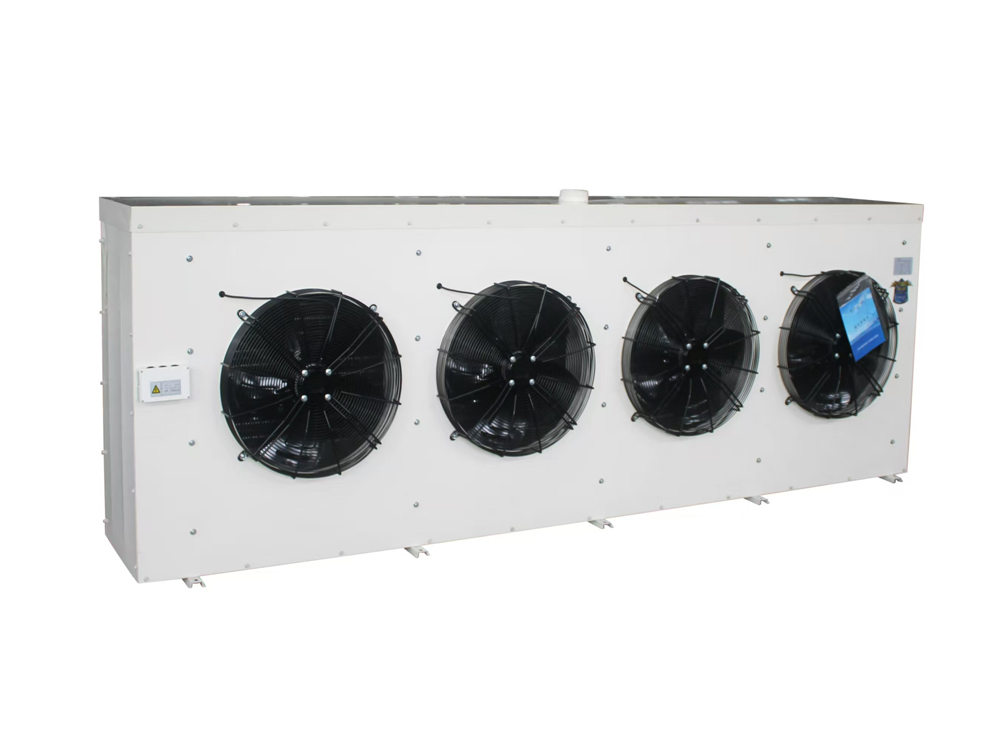
A condensing unit contains the compressor, condenser, and associated controls integrated into a single package. A complete system adds the evaporator, expansion device, piping, and auxiliary components. Many installations use a separate condensing unit connected to remote evaporators via refrigerant lines. This modular approach allows flexibility in equipment placement and capacity configuration.
Q2: How often should I perform maintenance on my condensing unit?
Maintenance frequency depends on operating conditions and environmental factors. Most manufacturers recommend quarterly inspections during heavy use seasons and annual professional servicing. High-dust environments require more frequent coil cleaning. Water cooled systems need monthly water quality testing. Keep detailed maintenance records to identify developing patterns requiring attention.
Q3: Can I repair my own condensing unit?
Simple maintenance tasks like coil cleaning are appropriate for facility staff with proper training. Refrigerant handling, electrical diagnostics, and compressor repair require EPA certification and specialized tools in most jurisdictions. Attempting improper repairs can void warranties, damage equipment, and create safety hazards. Always consult professional technicians for complex issues.
Q4: What refrigerants are currently recommended for new condensing units?
Regulations now restrict high-GWP refrigerants in new equipment. Commonly used alternatives include hydrofluoroolefins with lower global warming potential. Requirements vary by region and application. Consult with equipment manufacturers and local regulatory agencies to select compliant refrigerants for new installations or replacements.
Q5: How can I determine if my condensing unit is oversized or undersized?
Check operating pressures and temperatures. Oversized units cycle frequently, showing rapid on-off patterns and inconsistent pressure readings. Undersized units run continuously with pressures below normal ranges and struggle to maintain target temperatures. Compare actual cooling achieved to designed capacity. Consultation with qualified technicians helps establish appropriate sizing.
Q6: What causes reduced efficiency in air cooled condensing units during summer?
High ambient air temperature reduces the temperature difference between the refrigerant and cooling air, decreasing heat transfer efficiency. The compressor must work harder to pump refrigerant at higher pressures, consuming more energy. Dirty coils compound this problem by blocking airflow. Regular coil cleaning and ensuring adequate air circulation help minimize summer efficiency losses.
Q7: Are water cooled condensing units always more efficient than air cooled models?
Water cooled systems typically offer better efficiency due to more consistent cooling temperatures and superior heat transfer characteristics. However, efficiency depends on several factors including water temperature, flow rate, and treatment quality. Operating costs must include water treatment and disposal expenses. In some applications, air cooled systems provide better overall economy despite slightly lower efficiency ratings.
Q8: What safety features should my condensing unit have?
Essential safety components include high-pressure switches that stop operation if discharge pressure exceeds safe limits, low-pressure switches that prevent evaporator freeze-up, thermal overload protection for compressor motors, and liquid line solenoid shutoff valves. Modern units also include pressure relief valves and lockout features to prevent energy application during maintenance.


 Contact Number:+86-18858565929
