

 English
 русский
 Español
Content
- 1 Understanding Dry Cooling Technology and Its Environmental Impact
- 2 The Water Crisis in Industrial Cooling Systems
- 3 How Dry Cooling Technology Works
- 4 Environmental and Economic Benefits of Dry Cooling
- 5 Customized Condenser Solutions for Diverse Industrial Needs
- 6 Comparing Cooling Technology Options
- 7 Implementing Dry Cooling Technology in Industrial Facilities
- 8 Optimizing Dry Cooling System Performance
- 9 Understanding Different Condenser Types and Applications
- 10 Maintenance Requirements for Dry Cooling Systems
- 11 Regulatory Compliance and Environmental Standards
- 12 Real-World Implementation Considerations
- 13 The Future of Dry Cooling Technology
- 14 Selecting Qualified Condenser Manufacturers and Suppliers
- 15 Frequently Asked Questions
- 15.0.1 Q1: How much water does dry cooling technology actually save compared to traditional systems?
- 15.0.2 Q2: Are air-cooled condensers more expensive than traditional cooling systems?
- 15.0.3 Q3: Can dry cooling systems handle high heat loads similar to wet cooling approaches?
- 15.0.4 Q4: What maintenance do dry cooling systems require compared to water-cooled alternatives?
- 15.0.5 Q5: How do irregular customized condensers address specific facility requirements?
- 15.0.6 Q6: What climate conditions affect dry cooling system performance?
- 15.0.7 Q7: Are dry cooling systems environmentally friendly beyond water conservation?
- 15.0.8 Q8: How long do dry cooling condenser systems typically last?
Understanding Dry Cooling Technology and Its Environmental Impact
Water scarcity represents one of the most pressing challenges facing industrial operations worldwide. Traditional cooling systems consume enormous volumes of water, particularly in power generation, manufacturing, and chemical processing facilities. Dry cooling technology offers a compelling solution by eliminating water consumption entirely while maintaining operational efficiency.
The shift toward sustainable industrial practices has accelerated interest in alternative cooling methods. Unlike conventional wet cooling systems that rely on water evaporation, dry cooling systems utilize air circulation to dissipate heat. This fundamental difference addresses both environmental concerns and operational costs, making it an increasingly attractive option for facility managers seeking long-term savings.
Understanding the mechanics and benefits of dry cooling technology is essential for any organization looking to optimize their environmental footprint. This comprehensive guide explores how these systems function, their advantages over traditional approaches, and practical considerations for implementation.
The Water Crisis in Industrial Cooling Systems
Industrial cooling accounts for approximately 41 percent of total freshwater withdrawals globally, according to recent environmental assessments. Power plants, refineries, and manufacturing facilities consume vast quantities of water daily, often in regions already experiencing water stress.
Current Challenges with Water-Based Cooling
- Massive freshwater consumption creating strain on local water resources
- Thermal pollution affecting aquatic ecosystems through heated water discharge
- Evaporation losses reducing overall system efficiency
- Regulatory restrictions on water withdrawal and discharge volumes
- Rising operational costs due to water treatment and disposal fees
- Climate vulnerability in regions experiencing drought conditions
These challenges have prompted regulatory bodies worldwide to impose stricter environmental standards. Facilities face mounting pressure to reduce their water footprint, driving innovation in cooling technology development.
How Dry Cooling Technology Works
Dry cooling systems fundamentally differ from water-cooled approaches by using air as the primary heat transfer medium. Instead of relying on evaporative cooling, these systems employ specialized equipment designed to maximize heat exchange with ambient air.
Core Components of Dry Cooling Systems
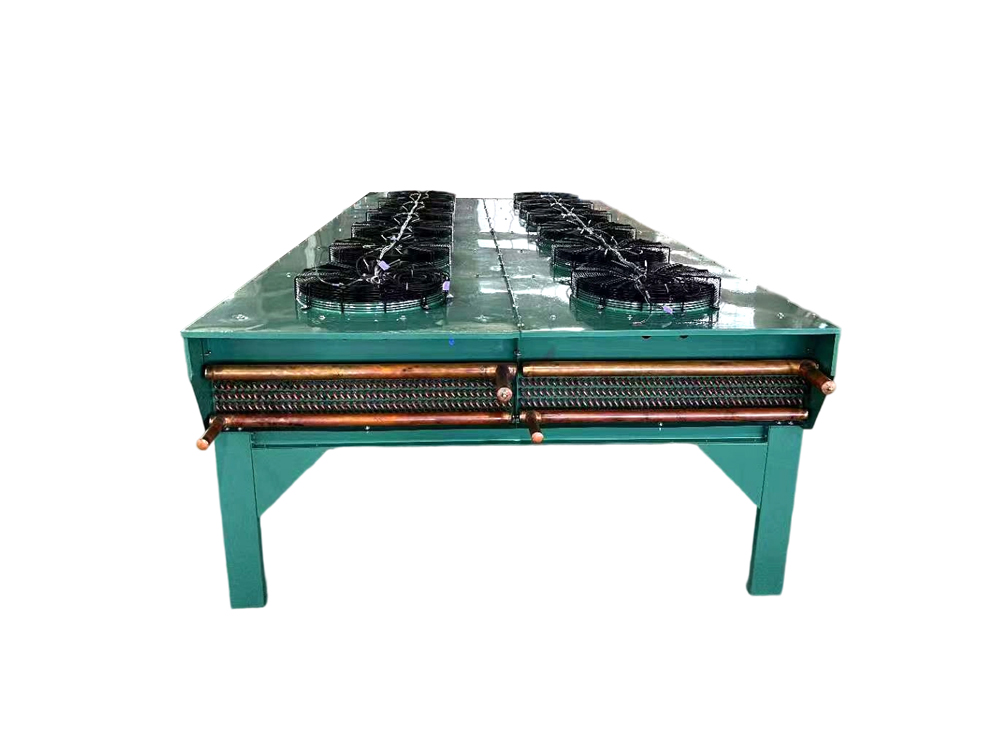
The primary component in any dry cooling setup is the condenser, which transfers heat from hot fluids directly to the surrounding air. Modern condenser designs employ finned tube configurations that dramatically increase surface area for heat transfer.
- Finned tube bundles that expand the heat transfer surface
- Aluminum or copper materials for superior thermal conductivity
- Advanced fan systems that optimize airflow across the condenser tubes
- Control mechanisms that adjust fan speed based on ambient temperature
- Specialized coatings that enhance heat dissipation capabilities
- Vibration damping systems that reduce operational noise levels
Heat Transfer Principles in Air-Cooled Systems
Dry cooling relies on direct heat transfer between hot process fluids and outdoor air. Fan-driven air circulation increases the temperature differential, promoting rapid heat dissipation. This process continues until the fluid reaches the desired cooler temperature.
The efficiency of this heat exchange depends on several factors: ambient air temperature, humidity levels, air velocity across the condenser tubes, and the design characteristics of the condenser itself. Advanced designs optimize each of these variables to maximize cooling performance while minimizing energy consumption.
Environmental and Economic Benefits of Dry Cooling
Water Conservation Impact
The most obvious advantage of dry cooling technology is complete elimination of water consumption. Facilities implementing dry cooling systems typically reduce their water usage by over 95 percent compared to traditional wet cooling approaches. This dramatic reduction has profound implications for water-stressed regions and supports compliance with increasingly stringent environmental regulations.
For a facility previously consuming 2,000 cubic meters of water daily for cooling, switching to dry cooling translates to preserving approximately 730 million cubic meters of freshwater annually. This volume is sufficient to supply drinking water to hundreds of thousands of people.
Economic Advantages
- Elimination of water purchase, treatment, and disposal costs
- Reduced regulatory compliance expenses and environmental penalties
- Lower maintenance requirements compared to water-based systems
- No cooling tower cleaning or chemical treatment expenses
- Exemption from water discharge permits and associated fees
- Potential access to green incentives and tax benefits
Over a 20-year operational lifespan, total cost savings from eliminated water expenses often exceed the initial investment in dry cooling equipment. Many facilities achieve complete payback within 5-8 years.
Environmental Sustainability
Beyond water conservation, dry cooling systems eliminate thermal pollution of water bodies. Heated discharge water no longer stresses aquatic ecosystems, protecting fish populations and maintaining ecological balance. Facilities also avoid contributing to climate change through reduced freshwater depletion, a significant factor in greenhouse gas emissions associated with water treatment and transport.
Customized Condenser Solutions for Diverse Industrial Needs
Different industrial processes generate varying heat loads and operate under distinct environmental conditions. Standard condenser designs cannot accommodate this diversity effectively. Custom irregular customized condenser solutions represent the optimal approach for specific operational requirements.
Design Considerations for Custom Condensers
Specialized condenser manufacturing requires detailed analysis of multiple variables. Facility engineers must evaluate heat load specifications, available installation space, ambient temperature ranges, and process fluid characteristics. These parameters guide the design of condensers that deliver maximum efficiency within operational constraints.
- Heat load capacity matching specific process requirements
- Physical dimensions fitting available installation locations
- Material selections compatible with process fluids and environment
- Fan specifications optimized for local climate conditions
- Vibration and noise characteristics meeting facility standards
- Pressure ratings appropriate for system operating parameters
Industries Benefiting from Customized Condensers
Power generation facilities utilize enormous condenser systems handling massive heat loads from steam turbines. Refrigeration applications demand specialized designs managing seasonal temperature variations. Chemical processing operations require condensers compatible with corrosive or reactive fluids. Data centers face unique challenges cooling densely packed computing equipment in compact spaces.
Each application presents distinct engineering challenges addressed through customized design approaches. Industrial condenser suppliers with deep technical expertise develop solutions precisely matching these specialized requirements.
Comparing Cooling Technology Options
Understanding the distinctions between cooling approaches helps facility managers make informed decisions. The following table presents key characteristics across different cooling methodologies:
| Characteristic | Wet Cooling | Air-Cooled Condenser | Hybrid Systems |
|---|---|---|---|
| Water Consumption | Very High | Zero | Minimal |
| Operating Cost | Moderate-High | Low-Moderate | Moderate |
| Initial Investment | Low-Moderate | High | Moderate-High |
| Environmental Impact | High | Minimal | Low |
| Maintenance Requirements | High | Low | Moderate |
Implementing Dry Cooling Technology in Industrial Facilities
Assessment and Planning Phase
Successful implementation begins with thorough facility assessment. Engineering teams must quantify current heat loads, evaluate available installation space, analyze local climate patterns, and identify regulatory requirements. This comprehensive evaluation establishes the foundation for selecting appropriate condenser systems.
- Detailed heat load calculations for all cooling applications
- Site surveys identifying suitable installation locations
- Climate analysis determining seasonal temperature variations
- Process fluid analysis identifying compatibility requirements
- Regulatory review confirming environmental compliance pathways
- Financial modeling projecting investment returns and savings
Design and Engineering Stage
Following assessment completion, specialized engineers develop customized condenser specifications matching facility requirements. This design phase incorporates multiple iterations and performance modeling, ensuring final specifications deliver optimal efficiency. Close collaboration between facility operators and engineering specialists ensures designs address operational realities.
Installation and Commissioning
Professional installation follows precise specifications, with particular attention to vibration isolation, electrical connections, and fluid line configurations. Comprehensive testing and commissioning verify system performance before transition to regular operation. Staff training ensures operators understand maintenance requirements and performance optimization strategies.
Optimizing Dry Cooling System Performance
Fan Speed Modulation
Modern condenser systems employ variable-speed fan drives that adjust airflow based on real-time temperature conditions. During cool ambient periods, reduced fan speeds minimize energy consumption while maintaining adequate cooling capacity. Conversely, during peak heat loads, fan speeds increase to maximize cooling performance. This intelligent modulation typically reduces fan energy consumption by 30-40 percent compared to fixed-speed systems.
Condenser Cleanliness
Dust and debris accumulation on condenser fins reduces heat transfer efficiency by restricting airflow. Regular inspection and cleaning maintain optimal performance. Semi-annual cleaning during seasonal transitions typically maintains efficiency within 5 percent of design specifications.
System Monitoring and Control
Digital monitoring systems track outlet fluid temperatures, ambient conditions, and energy consumption metrics. Advanced controls automatically adjust operations to maintain target temperatures while minimizing energy usage. Real-time performance data enables predictive maintenance scheduling, preventing unexpected failures.
Understanding Different Condenser Types and Applications
Air-Cooled Condenser Technology
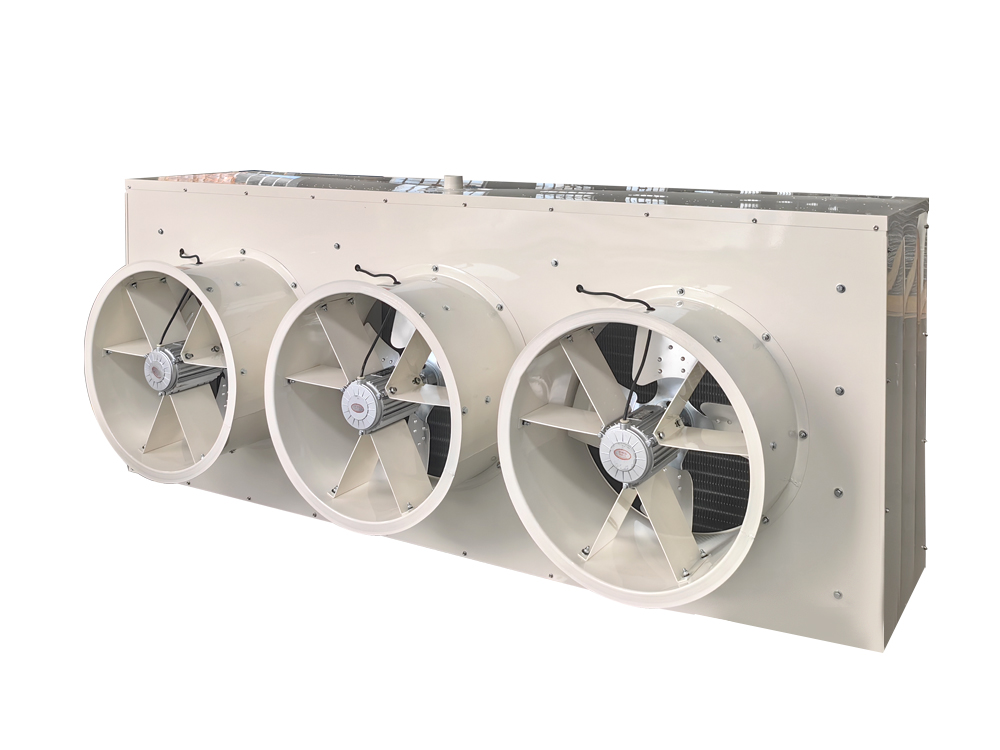
Air-cooled condensers represent the cornerstone of dry cooling technology. These devices use aluminum finned tubes to increase surface area available for heat exchange. High-velocity air passing across the finned tubes absorbs heat from the process fluid, transferring thermal energy directly to the atmosphere.
Modern air-cooled condensers employ optimization techniques including enhanced fin geometries, improved tube configurations, and advanced materials. These innovations maximize cooling efficiency while minimizing size and weight requirements.
Water-Cooled Condenser Applications
Water-cooled condensers require supplementary cooling systems, typically cooling towers or chiller units. While these systems deliver superior cooling capacity, they necessitate substantial water volumes. Facilities with abundant water access and no environmental constraints may justify water-cooled approaches, but increasingly, even these applications transition to dry cooling as water scarcity increases.
Hybrid Cooling Solutions
Hybrid systems combine dry cooling with supplementary wet cooling during extreme heat conditions. This approach provides water conservation benefits during normal operations while maintaining cooling capacity during peak summer temperatures. Hybrid systems represent an optimal compromise for facilities facing variable climate conditions or uncertain water availability.
Maintenance Requirements for Dry Cooling Systems
Compared to water-cooled systems requiring extensive chemical treatment and corrosion management, dry cooling systems demand significantly simpler maintenance routines. Understanding these requirements ensures long operational lifespan and consistent performance.
Routine Maintenance Tasks
- Visual inspection of condenser fins for damage or deformation
- Seasonal cleaning of finned surfaces to remove dust accumulation
- Fan bearing lubrication according to manufacturer specifications
- Belt tension verification and replacement on schedule
- Vibration monitoring to detect bearing or alignment issues
- Electrical connection inspection ensuring secure terminals
- Performance testing comparing actual to expected specifications
Predictive Maintenance Strategies
Advanced monitoring systems track performance trends, enabling predictive maintenance scheduling. Temperature deviation patterns, unusual vibration signatures, and energy consumption increases signal potential issues before catastrophic failure occurs. This proactive approach minimizes downtime and extends equipment life significantly.
Seasonal Preparation
Winter operations may require protective measures if freezing conditions prevail. Summer preparations ensure maximum cooling capacity during peak temperature periods. Proper seasonal management maintains consistent performance throughout annual cycles.
Regulatory Compliance and Environmental Standards
Environmental regulations worldwide increasingly restrict industrial water consumption and discharge. Dry cooling technology provides facilities with straightforward pathways to regulatory compliance while supporting broader sustainability objectives.
Water Withdrawal Permits
Many jurisdictions limit industrial freshwater withdrawals, issuing permits with maximum consumption thresholds. Dry cooling systems eliminate water withdrawal requirements entirely, exempting facilities from these permitting constraints. This regulatory advantage simplifies operations and reduces administrative burden.
Thermal Pollution Standards
Regulations often restrict the temperature of water discharged into natural water bodies, protecting aquatic ecosystems. Dry cooling systems eliminate thermal discharge entirely, providing automatic compliance with these increasingly stringent standards.
Energy Efficiency Requirements
Some jurisdictions mandate minimum efficiency standards for industrial equipment. Modern condenser designs with variable-speed fans exceed these requirements substantially, providing compliance assurance and potential regulatory credit opportunities.
Real-World Implementation Considerations
Facility Scale Impact
Large industrial facilities with massive cooling demands achieve the most dramatic absolute water savings through dry cooling conversion. A refinery converting from wet to dry cooling might eliminate 50 million gallons of daily water consumption. However, smaller operations also benefit significantly from proportionally similar savings.
Geographic and Climate Factors
Facilities in water-stressed regions experience the greatest pressure to implement dry cooling. Desert and arid climate locations see rapid adoption driven by water scarcity and regulatory restrictions. Conversely, facilities in water-abundant regions may delay conversions despite environmental benefits.
Economic Viability Assessment
Investment payback periods vary based on multiple factors: current water costs, electricity rates, equipment specifications, and installation complexity. Facilities with high water expenses and suitable installation sites typically achieve payback within 5-8 years. Those with lower water costs may require 10-15 years for full cost recovery.
The Future of Dry Cooling Technology
Emerging Innovations
Research and development efforts focus on several advancement areas. Enhanced fin geometries inspired by biological systems improve heat transfer efficiency. Advanced materials including polymer composites and ceramic coatings expand application possibilities. Artificial intelligence-driven control systems optimize performance in real-time with minimal human intervention.
Industry Adoption Trends
As water scarcity increases and environmental regulations strengthen, dry cooling adoption accelerates across industrial sectors. Technology maturation and cost reduction drive market expansion, making dry cooling economically viable for applications previously requiring water-cooled systems.
Integration with Renewable Energy
Dry cooling systems pair naturally with renewable energy facilities. Solar thermal plants and concentrated solar power systems utilize specialized dry cooling designs. Wind-powered cooling fans operate efficiently in locations with consistent wind resources, creating synergistic sustainability benefits.
Selecting Qualified Condenser Manufacturers and Suppliers
Industrial condenser supplier selection significantly impacts project success. Qualified manufacturers possess deep technical expertise, proven manufacturing capabilities, and reliable support services. Facility managers should evaluate suppliers systematically across multiple criteria.
Evaluation Criteria for Condenser Manufacturers
- Demonstrated experience with similar applications and heat load specifications
- Customization capabilities accommodating unique facility requirements
- Quality assurance processes ensuring consistent product reliability
- Technical support services including design consultation and troubleshooting
- Transparent pricing and delivery timelines
- Warranty coverage and post-sale support commitments
- References from comparable facilities validating performance claims
Technical Specifications to Discuss
Comprehensive specification discussions with potential condenser manufacturers should address heat load capacity, pressure ratings, material selections, control capabilities, noise characteristics, and installation requirements. Detailed specifications ensure final products precisely match facility needs.
Frequently Asked Questions
Q1: How much water does dry cooling technology actually save compared to traditional systems?
Dry cooling systems eliminate over 95 percent of water consumption compared to conventional wet cooling. A facility consuming 2,000 cubic meters of water daily for cooling reduces usage to virtually zero by implementing dry cooling technology. The specific water savings depend on facility size and cooling load characteristics, but the elimination of evaporative losses creates consistent, dramatic reductions across all applications.
Q2: Are air-cooled condensers more expensive than traditional cooling systems?
Initial investment in dry cooling equipment typically exceeds conventional systems by 20-40 percent. However, eliminated water expenses, reduced maintenance costs, and extended equipment lifespan create favorable economic comparisons over 20-year operational periods. Most facilities achieve complete cost recovery within 5-8 years through operational savings.
Q3: Can dry cooling systems handle high heat loads similar to wet cooling approaches?
Modern dry cooling technology handles heat loads comparable to traditional systems, though with larger physical equipment sizes. Advanced condenser designs utilizing enhanced fin geometries and optimized airflow patterns provide the heat transfer capacity necessary for industrial applications. Custom condenser specifications ensure systems match specific facility requirements.
Q4: What maintenance do dry cooling systems require compared to water-cooled alternatives?
Dry cooling systems require substantially simpler maintenance than water-cooled systems. No chemical treatment, corrosion management, or cooling tower cleaning is necessary. Routine tasks include seasonal fin cleaning, bearing lubrication, and performance monitoring. Most facilities complete maintenance activities with minimal downtime.
Q5: How do irregular customized condensers address specific facility requirements?
Irregular customized condensers adapt to unique facility constraints including limited installation space, irregular heat load patterns, and specialized process fluid compatibility. Custom designs incorporate specific fan specifications, material selections, and control configurations matching operational parameters precisely. This specialization ensures optimal performance in applications where standard equipment proves inadequate.
Q6: What climate conditions affect dry cooling system performance?
Ambient temperature directly influences cooling capacity. Systems maintain design performance at specified ambient temperatures, typically 35 degrees Celsius. Higher ambient temperatures reduce cooling capacity proportionally, necessitating oversized equipment in hot climates or supplementary cooling during peak conditions. Humidity levels, wind patterns, and seasonal variations also impact performance characteristics.
Q7: Are dry cooling systems environmentally friendly beyond water conservation?
Yes, dry cooling systems eliminate thermal pollution of water bodies, protecting aquatic ecosystems from heated discharge water. Reduced water treatment and transport requirements lower associated greenhouse gas emissions. Supporting water conservation in water-stressed regions preserves resources for human consumption and ecosystem maintenance.
Q8: How long do dry cooling condenser systems typically last?
Well-maintained condenser systems provide 20-30 years of service life under normal operating conditions. Quality construction, proper installation, and consistent maintenance extend lifespan significantly. Advanced materials and coatings in modern designs further enhance durability compared to older equipment.


 Contact Number:+86-18858565929
