

 English
 русский
 Español
Content
- 1 Direct Answers: The Core Issues and Fixes
- 2 1. Temperature Fluctuations and Unstable Cooling
- 3 2. Excessive Frost and Ice Accumulation
- 4 3. Compressor Performance Problems
- 5 4. Fan Motor and Airflow Obstructions
- 6 5. Defrost System Breakdowns
- 7 6. Drain Line Blockages and Water Leaks
- 8 7. Electrical Control and Sensor Failures
- 9 8. Frequently Asked Questions (FAQ)
- 10 Preventive Maintenance: Your Most Effective Strategy
Direct Answers: The Core Issues and Fixes
Industrial cold room coolers fail for predictable, preventable reasons. Over 80% of all breakdowns stem from just six categories: temperature control drift, frost accumulation, compressor stress, fan obstructions, defrost system faults, and drainage blockages. Each has clear symptoms and proven fixes. Addressing these issues proactively can slash energy consumption by up to 22% and double the service life of critical components. This guide delivers direct, actionable answers to each common problem, helping you restore performance quickly and reliably.
1. Temperature Fluctuations and Unstable Cooling
Inconsistent temperatures are the most frequent complaint in industrial cold storage. Even a 3°F deviation can compromise product quality and increase spoilage rates. The problem almost always originates from one of four sources.
Primary Causes
- Faulty or miscalibrated sensors — Inaccurate readings cause the system to short-cycle or run continuously.
- Blocked airflow paths — Overstocked shelving or debris around evaporator fans restricts air distribution.
- Compromised door seals — Worn gaskets allow warm, humid air to infiltrate, increasing thermal load.
- Low refrigerant charge — Even a minor leak reduces system capacity and makes temperature control erratic.
Practical Solutions
- Calibrate sensors quarterly — Compare readings against a certified reference thermometer and adjust offsets.
- Reorganize product loads — Maintain a minimum clearance of 12 inches between products and evaporator units.
- Perform a door seal audit — Use a dollar-bill test; if the bill slides out easily, replace the gasket immediately.
- Detect leaks with electronic detectors — Soap bubbles are for preliminary checks; use professional-grade tools for accuracy.
2. Excessive Frost and Ice Accumulation
Frost on evaporator coils is not just an inconvenience—a 1/4-inch layer of frost reduces heat transfer efficiency by nearly 30%. This forces the compressor to run longer, driving up electricity costs and accelerating wear.
Primary Causes
- High frequency of door openings — Each opening introduces moisture that freezes on contact with cold coils.
- Defrost system failures — Timers, heaters, or termination thermostats that malfunction leave frost unchecked.
- Excessive ambient humidity — External humidity above 65% significantly accelerates frost formation.
- Clogged or frozen drain lines — Trapped water backs up and freezes, compounding the problem.
Practical Solutions
- Install high-speed strip curtains — They reduce air infiltration by up to 75% during loading and unloading.
- Test defrost components monthly — Manually advance timers, check heater amperage, and verify termination temperatures.
- Consider a dehumidification system — In humid climates, auxiliary dehumidifiers can dramatically reduce frost load.
- Flush drain lines weekly — Use hot water and a non-corrosive cleaner to prevent biofilm and ice blockages.
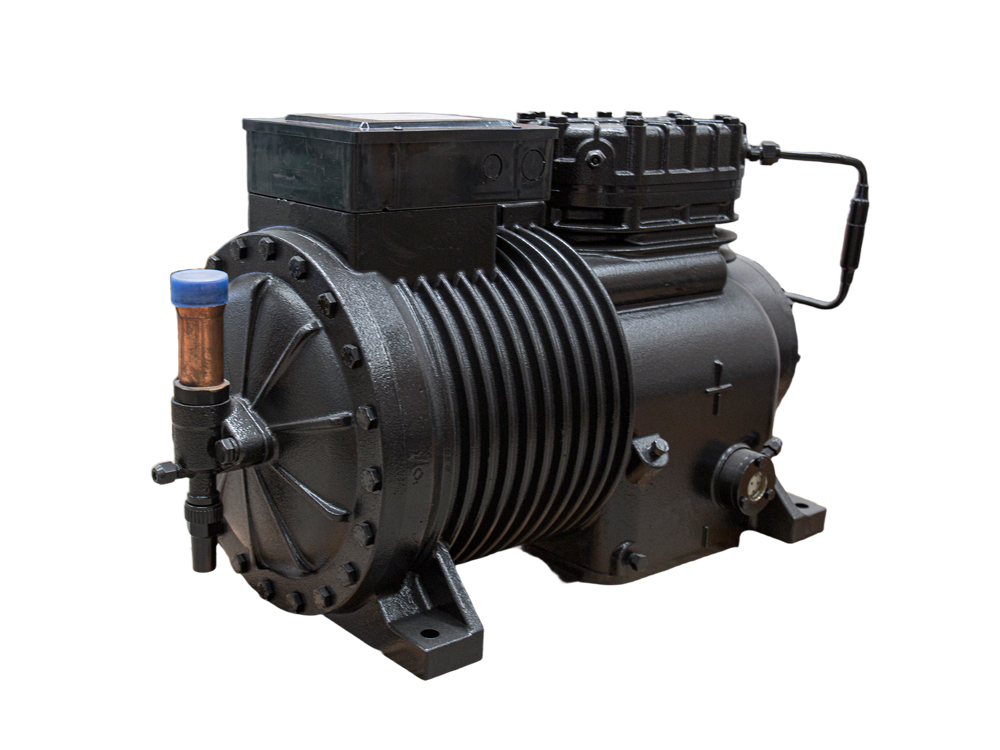
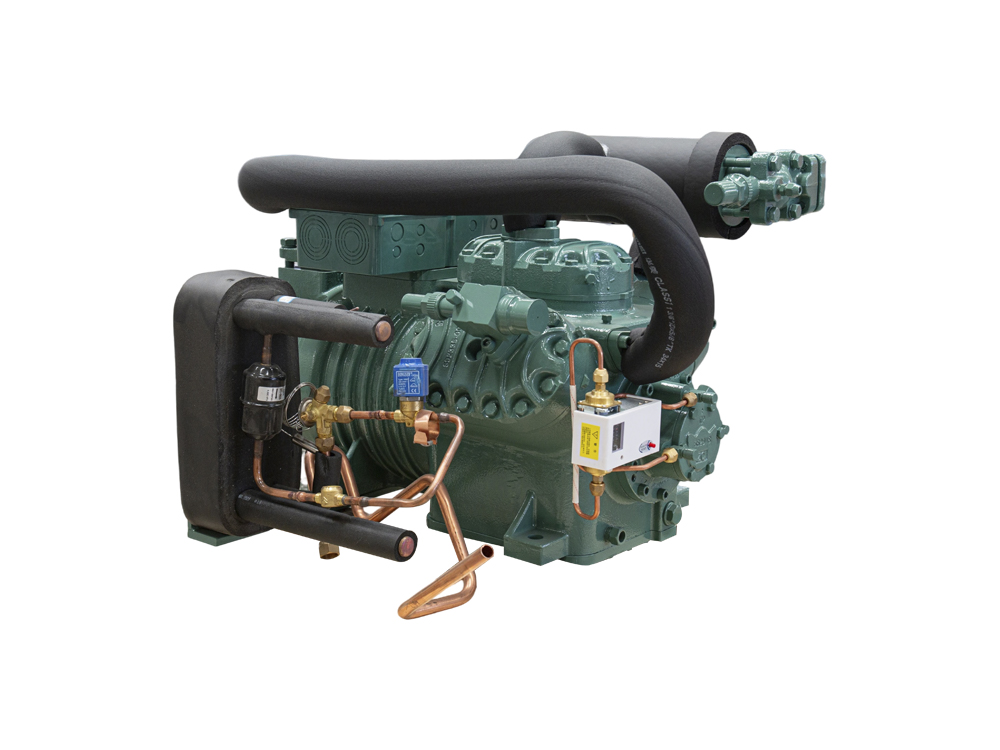
3. Compressor Performance Problems
The compressor is the engine of your cold room. Compressor failures account for nearly 40% of all major refrigeration repairs—and most are preventable through attentive monitoring and routine cleaning.
Primary Causes
- Dirty condenser coils — Clogged coils raise condensing pressure, forcing the compressor to work against higher head pressure.
- Poor refrigerant return (floodback or starvation) — Either condition causes overheating or mechanical stress.
- Electrical irregularities — Voltage sags, phase imbalances, and worn contactors degrade motor windings.
- Oil degradation — Moisture or acid contamination reduces lubrication and leads to bearing seizure.
Practical Solutions
- Clean coils with a fin comb and compressed air — Perform this monthly; in dusty environments, increase to bi-weekly.
- Monitor superheat and subcooling — Proper values (typically 10°F–15°F superheat) indicate healthy refrigerant flow.
- Install voltage monitors — They alert you to power quality issues before they damage the compressor.
- Schedule annual oil analysis — Lab testing detects acid, moisture, and metal particulates early.
Diagnostic Reference Table
| Symptom | Likely Cause | Recommended Action |
|---|---|---|
| High discharge pressure (>250 psig R-404A) | Dirty condenser or overcharge | Clean coil; recover excess refrigerant if needed |
| Low suction pressure (<20 psig) | Refrigerant leak or restricted TXV | Leak test with electronic detector; inspect valve screen |
| Compressor runs without cycling | Oversized system or excessive heat load | Check insulation integrity and door operation frequency |
| Short-cycling (on/off every 2–3 min) | Low refrigerant or faulty low-pressure control | Check charge; adjust or replace pressure switch |
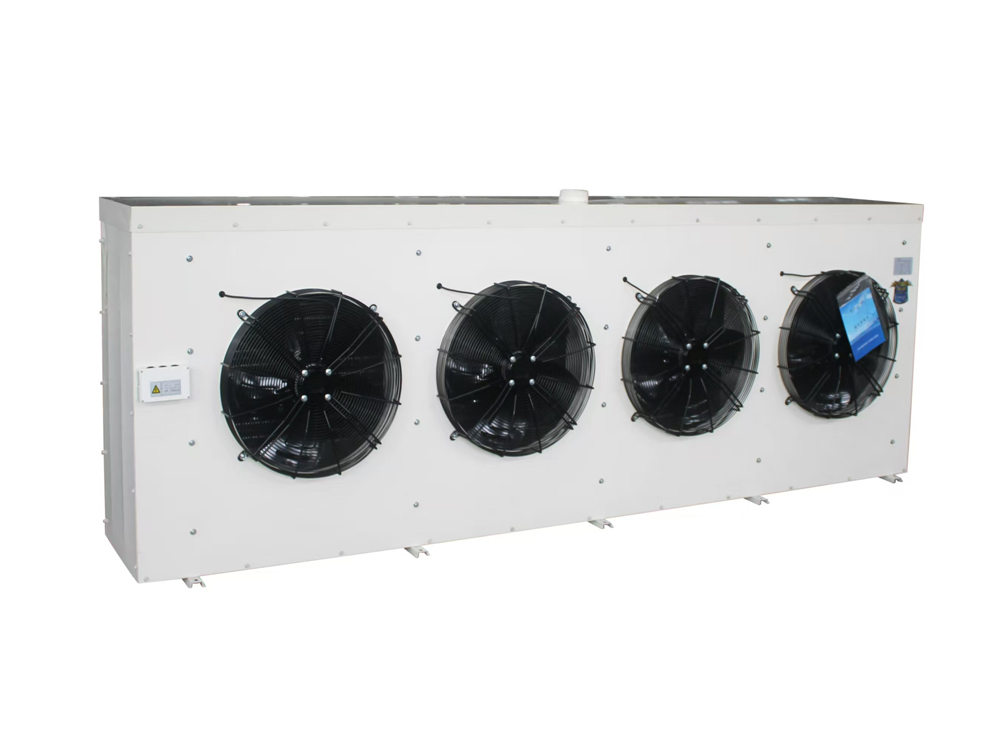
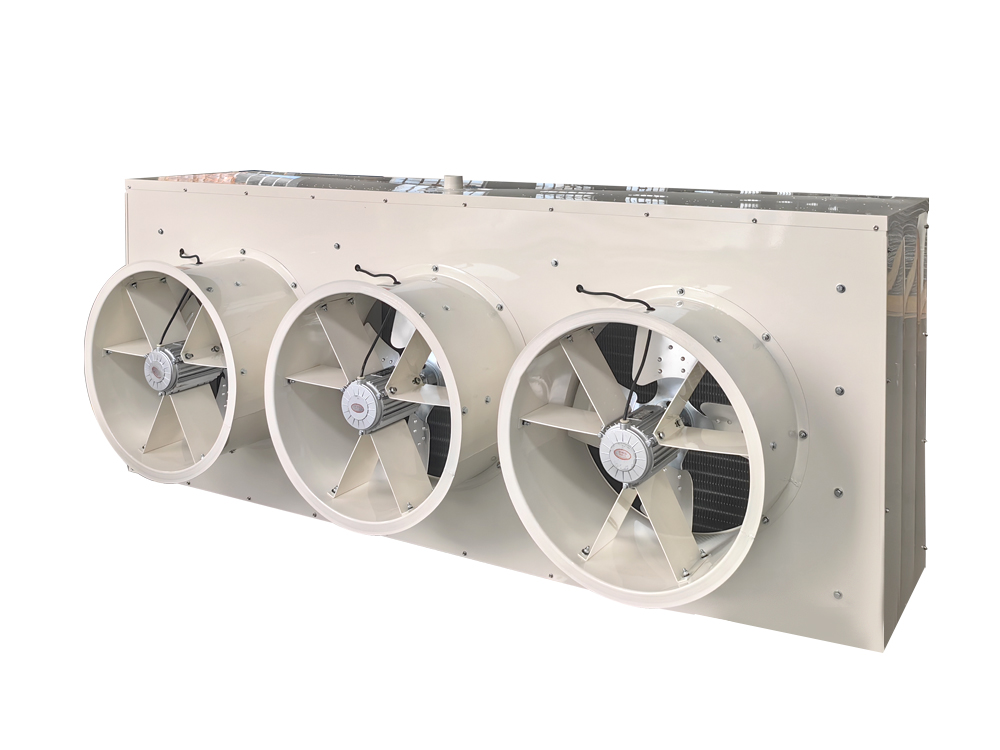
4. Fan Motor and Airflow Obstructions
Evaporator and condenser fans are vital for effective heat exchange. A single failed fan can reduce system capacity by up to 40% and cause the evaporator to ice over within hours.
Primary Causes
- Bearing wear and shaft misalignment — Noise and vibration are early warning signs of impending failure.
- Electrical winding failures — Overheating, voltage spikes, or failed run capacitors damage the motor.
- Physical obstruction — Ice, dust, or loose packaging materials block blade rotation.
- Moisture ingress — Water infiltration into the motor housing causes corrosion and shorts.
Practical Solutions
- Check amperage draw monthly — Compare to nameplate ratings; a 15% increase indicates mechanical resistance.
- Test run capacitors — Replace any capacitor showing a capacitance drop of more than 10%.
- Clear fan guards and blades — Remove ice and debris during every maintenance visit.
- Ensure drip loops on wiring — Proper routing prevents moisture from traveling into the junction box.
5. Defrost System Breakdowns
Defrost failures are notoriously disruptive. When defrost cycles fail to initiate or terminate correctly, the ripple effect can damage the evaporator, raise energy costs, and compromise product temperatures within a single shift.
Primary Causes
- Defrost timer malfunction — The timer may stick in cooling mode (no defrost) or in defrost mode (dangerous heat).
- Failed defrost termination switch — If the switch doesn't open at the set temperature, heaters remain energized.
- Burned-out defrost heaters — Visible damage or open circuit readings confirm failure.
- Incorrect defrost settings — Too few cycles or insufficient duration leads to cumulative frost buildup.
Practical Solutions
- Manually advance the timer — Verify it enters and exits defrost on command; replace if it skips or stalls.
- Measure heater resistance with a multimeter — An open line indicates a burnt element that needs replacement.
- Adjust defrost frequency based on load — Heavy-traffic rooms may require 4–6 defrost cycles per day; low-traffic rooms can run 2–3.
- Install fail-safe defrost termination — Consider a secondary temperature limit switch as a backup.
Defrost System Troubleshooting Flowchart
6. Drain Line Blockages and Water Leaks
Blocked drains are often overlooked but rank among the top three service call reasons. Standing water and ice from clogged drains create safety hazards and promote secondary frost formation that accelerates component wear.
Primary Causes
- Accumulated debris — Dust, mold, and food particles form sludge that restricts flow.
- Ice plugs — In freezer applications, water freezes before exiting the cold room if the line is not heated.
- Inadequate drain slope — A slope of less than 1/4-inch per foot causes pooling.
- Undersized drain piping — Pipes that are too narrow cannot handle peak condensate flow.
Practical Solutions
- Flush with hot water and a pipe-cleaning solution — Perform this monthly to dissolve organic buildup.
- Install heat tape along the drain line — Self-regulating heating cables prevent ice plugs in sub-freezing areas.
- Verify slope with a level — Adjust hangers or supports to achieve the correct pitch.
- Upgrade to a larger diameter pipe — Increasing from 3/4-inch to 1-inch often resolves recurring blockages.
7. Electrical Control and Sensor Failures
Modern industrial coolers rely on precise electronic controllers. Control failures can mimic mechanical issues, leading to costly misdiagnoses—making systematic electrical troubleshooting essential.
Primary Causes
- Incorrect controller parameters — Wrong setpoints, differentials, or defrost intervals cause erratic behavior.
- Damaged or loose temperature probes — Intermittent readings or open/short circuits send false data to the controller.
- Power supply fluctuations — Voltage outside the ±10% tolerance range disrupts microprocessor function.
- Condensation in electrical panels — Non-sealed conduit allows moisture to enter and corrode terminals.
Practical Solutions
- Create a settings backup sheet — Record all current parameters so you can restore them after any reset.
- Test sensor resistance — Compare to standard resistance-temperature charts (e.g., 10kΩ NTC thermistors at 77°F).
- Install a dedicated voltage regulator — For facilities with unstable grid power, this protects sensitive electronics.
- Seal all conduit entries with putty or grommets — Ensure NEMA 4X rating for wash-down areas.
8. Frequently Asked Questions (FAQ)
- How often should I clean condenser coils? At minimum, once a month. In dusty or greasy environments (e.g., meat processing), increase to weekly. Clean coils can improve efficiency by 15–20%.
- What causes rapid ice buildup on the evaporator? The top three culprits are frequent door openings, a stuck defrost timer, or high ambient humidity. Address these in the order listed.
- Can I replace a fan motor without professional help? Only if you have electrical training and proper tools. Otherwise, hire a certified technician to avoid injury and warranty voidance.
- Why does my compressor run constantly despite being set to 35°F? Likely causes include low refrigerant, a faulty thermostat, or an undersized system for the heat load. Measure temperature differentials to isolate the issue.
- Is it normal for my cold room to have a slight temperature swing? A swing of ±2°F is typical. Anything beyond ±4°F indicates a control problem that requires investigation.
Preventive Maintenance: Your Most Effective Strategy
Deferred maintenance is the single biggest contributor to cold room failures. A structured, documented maintenance program is the most cost-effective investment you can make. The table below outlines a practical schedule tailored to typical industrial duty cycles.
Recommended Maintenance Schedule
| Frequency | Task | Priority Level |
|---|---|---|
| Daily | Record operating temperatures; listen for unusual noises; check door closure | Critical |
| Weekly | Inspect door gaskets; check for early frost formation; verify drain flow | Critical |
| Monthly | Clean condenser and evaporator coils; inspect fan blades; test defrost operation | High |
| Quarterly | Calibrate sensors and thermostats; tighten electrical connections; check refrigerant sight glass | Medium |
| Annually | Full system performance test; refrigerant charge verification; oil analysis and compressor health check | Medium |
In high-usage facilities (loading docks open > 50 times per day), shift monthly tasks to weekly and quarterly to monthly. Consistency in maintenance directly correlates with system reliability and operational uptime.


 Contact Number:+86-18858565929
