

 English
 русский
 Español
Content
- 1 The Role of a Condensing Unit in Modern Cooling Systems
- 2 What Is a Condensing Unit and How Does It Work
- 3 Visualizing the Refrigeration Cycle
- 4 Air Cooled vs Water Cooled Condensing Unit: Which Is Better
- 5 How to Size a Condensing Unit for Cold Storage
- 6 Commercial Condensing Unit vs Industrial Condensing Unit Applications
- 7 What Factors Affect Refrigeration Condensing Unit Price
- 8 Maintenance Practices That Extend Service Life
- 9 Frequently Asked Questions
- 9.0.1 Q1: What Is a Condensing Unit and How Does It Work?
- 9.0.2 Q2: How to Choose the Right Condensing Unit for a Cold Room?
- 9.0.3 Q3: Air Cooled vs Water Cooled Condensing Unit: Which Is Better?
- 9.0.4 Q4: How Do You Size a Condensing Unit for Cold Storage?
- 9.0.5 Q5: What Factors Affect Refrigeration Condensing Unit Price?
The Role of a Condensing Unit in Modern Cooling Systems
A condensing unit is the mechanical heart of any refrigeration or air conditioning system, responsible for turning low-pressure refrigerant vapor back into a high-pressure liquid so the cooling cycle can continue. Without a properly functioning unit, evaporators cannot absorb heat effectively, and the entire system loses its ability to maintain target temperatures.
In commercial kitchens, cold storage warehouses, and industrial processing plants, this component determines how consistently temperature-sensitive goods stay within safe ranges. A poorly matched or degraded unit can raise energy consumption by 15 to 30 percent compared to a correctly sized and maintained system, based on typical field performance data collected from refrigeration service audits.
What Is a Condensing Unit and How Does It Work
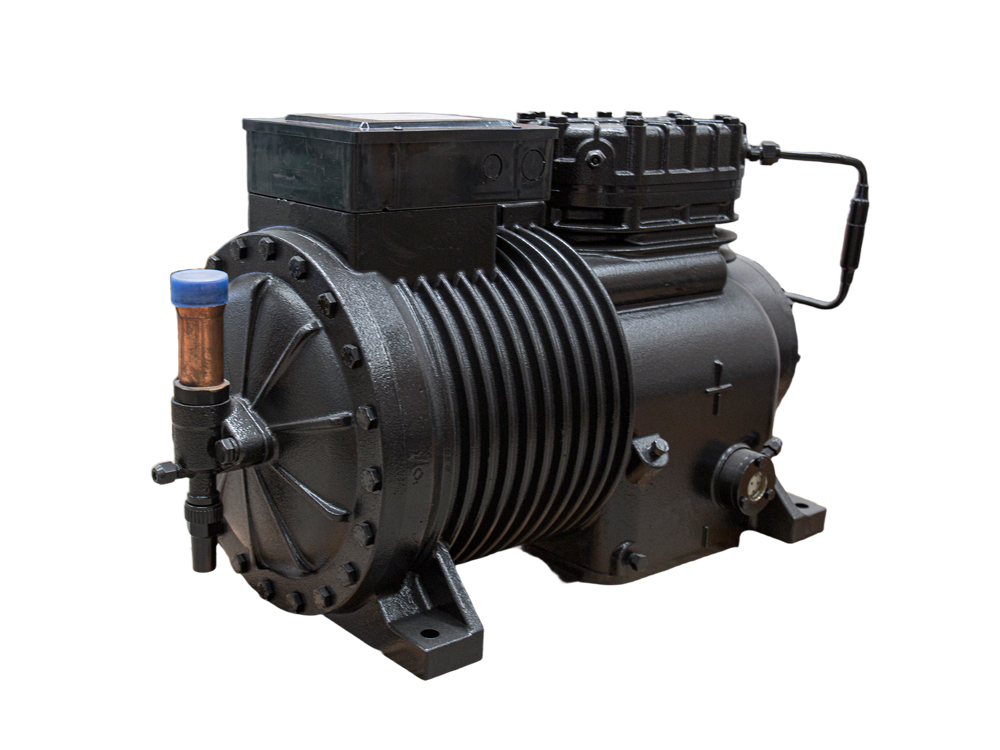
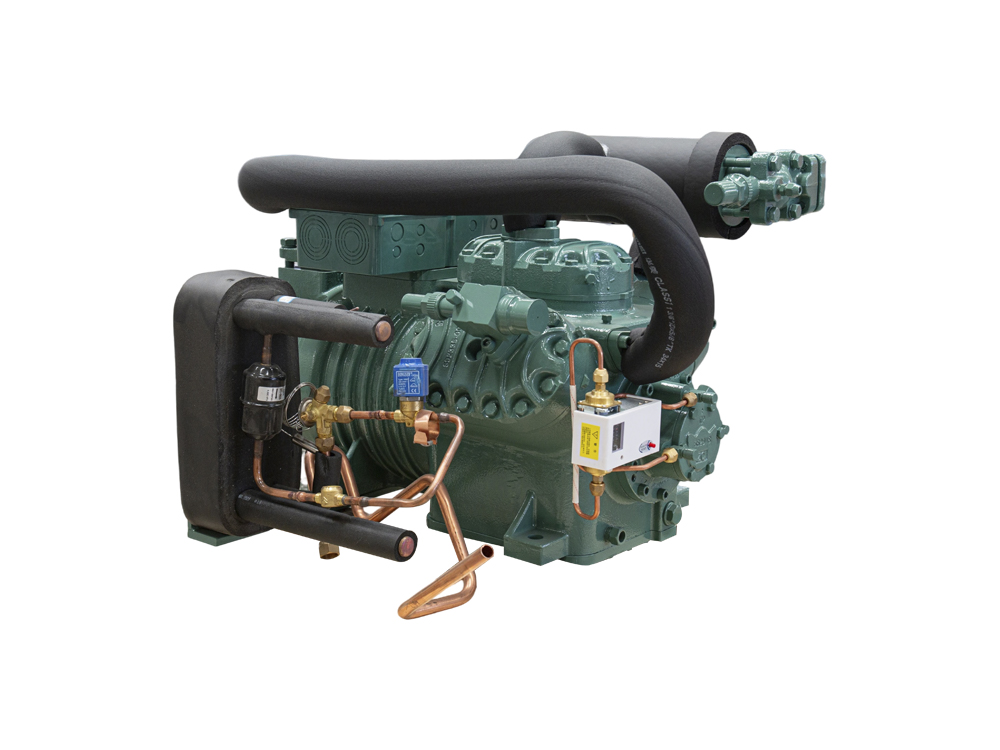
At its core, a condensing unit combines three components enclosed in a single housing: a compressor, a condenser coil, and a fan (or water circuit, depending on the cooling method). Together these parts complete one critical stage of the refrigeration cycle.
The Four-Stage Cycle Explained
- Refrigerant vapor enters the compressor at low pressure and low temperature.
- The compressor raises the pressure and temperature of the vapor.
- The hot, pressurized vapor passes through the condenser coil, releasing heat to the surrounding air or water and turning into liquid.
- The liquid refrigerant travels to the expansion valve and evaporator, where it absorbs heat again and restarts the cycle.
The efficiency of this single stage often determines whether the rest of the system runs smoothly or struggles under load.
Visualizing the Refrigeration Cycle
The diagram below outlines how refrigerant moves through a typical air cooled condensing unit before returning to the evaporator side of the system.
Air Cooled vs Water Cooled Condensing Unit: Which Is Better
Choosing between an air cooled condensing unit and a water cooled alternative depends on climate, water availability, maintenance capacity, and installation space. Neither option is universally superior; the right choice depends on operating conditions.
| Factor | Air Cooled | Water Cooled |
|---|---|---|
| Installation Complexity | Lower | Higher |
| Water Usage | None | Continuous or recirculated |
| Performance in High Ambient Heat | Reduced efficiency above 38 C | More stable |
| Maintenance Needs | Coil cleaning | Water treatment, scale prevention |
| Typical Use Case | Cold rooms, small to mid commercial sites | Large industrial plants with water access |
Facilities located in regions with restricted water access or strict environmental regulations on water discharge generally favor air cooled systems, while large-scale industrial plants with stable water supply often justify the added complexity of water cooled designs for their more consistent heat rejection.
How to Size a Condensing Unit for Cold Storage
Correct sizing prevents two common and costly problems: undersized units that struggle to maintain temperature during peak load, and oversized units that short-cycle, wasting energy and accelerating compressor wear.
Key Variables to Calculate Cooling Load
- Room dimensions and insulation thickness
- Target internal temperature versus average ambient temperature
- Product load type, including entry temperature and daily turnover volume
- Door opening frequency and infiltration losses
- Lighting, personnel, and equipment heat contribution inside the space
Small Cold Room
Under 20 cubic meters typically requires a smaller commercial unit with modest compressor capacity.
Mid-Size Storage
20 to 100 cubic meters generally needs a mid-range condensing unit for cold storage with balanced airflow design.
Large Warehouse
Above 100 cubic meters often requires multiple units or a heavy-duty industrial condensing unit configuration.
Working with a qualified refrigeration engineer to run a full heat load calculation remains the most reliable way to avoid guesswork, since generic sizing charts cannot account for every site-specific variable.
Commercial Condensing Unit vs Industrial Condensing Unit Applications
While the underlying refrigeration principles are identical, commercial and industrial applications differ significantly in scale, duty cycle, and redundancy requirements.
| Application | Typical Setting | Duty Cycle |
|---|---|---|
| Commercial condensing unit | Restaurants, retail cold cases, small cold rooms | Intermittent to moderate |
| Industrial condensing unit | Food processing plants, distribution centers, pharmaceutical storage | Continuous, high load |
Industrial settings usually demand a heavier compressor condensing unit build with reinforced components and often include backup units to prevent product loss during maintenance or unexpected downtime.
What Factors Affect Refrigeration Condensing Unit Price
The price of a refrigeration condenser unit is shaped by more than just compressor horsepower. Understanding these variables helps buyers evaluate quotes more accurately.
- Compressor type, such as scroll, reciprocating, or screw compressors, each with different cost and efficiency profiles
- Cooling capacity measured against the required load, since oversizing or undersizing both carry hidden costs
- Refrigerant type and its compliance with current environmental regulations
- Housing material and weatherproofing for outdoor installations
- Noise reduction features, particularly relevant near residential or office areas
- Control system sophistication, including variable speed drives and remote monitoring capability
Lower upfront price does not always translate to lower total cost, since energy efficiency and maintenance frequency accumulate significant expense over a unit lifespan of ten to fifteen years.
Maintenance Practices That Extend Service Life
Routine maintenance is one of the most cost-effective ways to protect the investment in any condensing unit and avoid unexpected downtime.
Recommended Maintenance Checklist
- Inspect and clean condenser coils every three to six months to prevent airflow restriction
- Check refrigerant charge levels and look for signs of leaks
- Verify fan motor bearings and electrical connections are free of corrosion
- Monitor compressor discharge pressure and temperature against baseline readings
- Clear debris, vegetation, or obstructions around outdoor units
Facilities that follow a documented maintenance schedule typically report fewer emergency repairs and more predictable energy costs across seasonal temperature swings.
Frequently Asked Questions
Q1: What Is a Condensing Unit and How Does It Work?
A condensing unit houses the compressor and condenser coil that together compress refrigerant vapor and release absorbed heat, allowing the refrigerant to return to a liquid state before continuing through the cooling cycle.
Q2: How to Choose the Right Condensing Unit for a Cold Room?
Selection depends on room size, insulation quality, target temperature, product load, and local climate conditions, all of which feed into a proper heat load calculation before matching a unit's capacity.
Q3: Air Cooled vs Water Cooled Condensing Unit: Which Is Better?
Air cooled units suit sites with limited water access and simpler installation needs, while water cooled units perform more consistently in high ambient temperatures and large industrial operations with stable water supply.
Q4: How Do You Size a Condensing Unit for Cold Storage?
Sizing requires calculating total heat load from room dimensions, insulation, product turnover, door openings, and internal heat sources, then matching that figure to a unit with appropriate compressor capacity.
Q5: What Factors Affect Refrigeration Condensing Unit Price?
Compressor type, cooling capacity, refrigerant compliance, housing durability, noise control features, and control system complexity all influence final pricing, along with long-term energy efficiency considerations.


 Contact Number:+86-18858565929
